


TThirty-two years since their first official meeting, Morocco and the Netherlands face each other in what could be a blockbuster round of 16 match. Much has changed since the 1994 World Cup group match in Orlando, when the Netherlands won 2-1, but Morocco’s story has never strayed from the story.
Take Monday’s venue, Monterrey, where the Atlas Lions spent most of the 1986 World Cup, becoming the first African team to make it past the group stage. So many in Morocco see the perfect opportunity for revenge and glory. And they would be right, given that four years ago in Qatar, Morocco stunned the world by reaching the semi-finals, beating Belgium, Spain and Portugal in the process. Now they have another European heavyweight in their sights.
“It’s a shame that two such great football countries meet so early in the knockout stages,” says Hassan Bahara, a Moroccan-Dutch writer and journalist. “I was hoping they would meet each other later, after they both had a chance to show the world what they were capable of.”
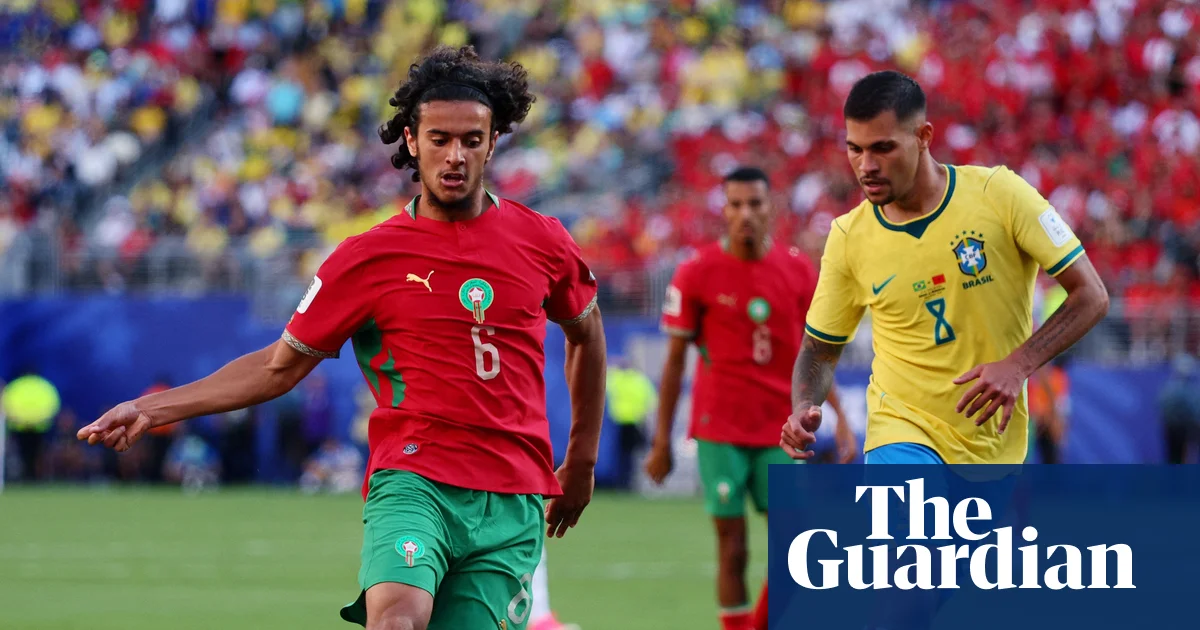
Indeed, this is the only tie in the round of 16 involving two teams who finished the group stage with seven points and entered the tournament in the top 10 of the FIFA rankings. It is also Morocco’s second match against genuine trophy contenders after their first Group C match against Brazil, which ended 1-1. But if this game was a fantastic sporting proposition, the meeting with the Netherlands contains social and cultural aspects.
Many Moroccans moved to the Netherlands in the 1960s in search of a better life. A couple of generations later, their children and grandchildren decided to represent Morocco on the biggest stage. “Street football, which Dutch and Moroccan children once played against each other around Amsterdam, has, in a sense, entered the world stage,” says Bahara. “That backstory gives this game a level of meaning that simply wouldn’t exist against any other opponent.”
Morocco has three players who have lived through this backstory. Nussair Mazraoui, Sofiane Amrabat and Anass Salah-Eddine were born and raised in the Netherlands and have played for the Atlas Lions at different stages of their careers: Amrabat at the 2013 Under-17 World Cup, Mazraoui at Under-20 level and Salah-Eddine a couple of months before the last Africa Cup of Nations.
“The feeling is almost the same as in a derby,” says Jean-Paul Raison, a sports journalist based in Utrecht. “Ninety-nine percent of the people here will be in perfect harmony. The only aspect I don’t expect is how some people will fit this game into their hate agenda.”
Ayoub Buaddi
Bahara knows all too well the tension this game can raise. “I am worried that some right-wing media, such as De Telegraaf, and far-right politicians, such as Geert Wilders, will try to stir up tensions,” he says. “Wilders wasted no time: he immediately began posting AI-generated images on social media designed to provoke the Moroccan community.” We hope that these tensions will be forgotten by kick-off in Monterrey and that adrenaline and emotion will instead contribute to an unforgettable World Cup match.
Morocco have always been a good team over the past four years, winning the Afcon this year, albeit belatedly and controversially, and have a strong scouting policy as well as a good local training program that regularly identifies talented players such as Ayoub Bouaddi, the 18-year-old midfielder who caught the eye against Brazil and has continued to shine at this World Cup. They fear no one and will take on the Netherlands in a uniquely exciting competition, feeling like real contenders for this summer’s top prize.