

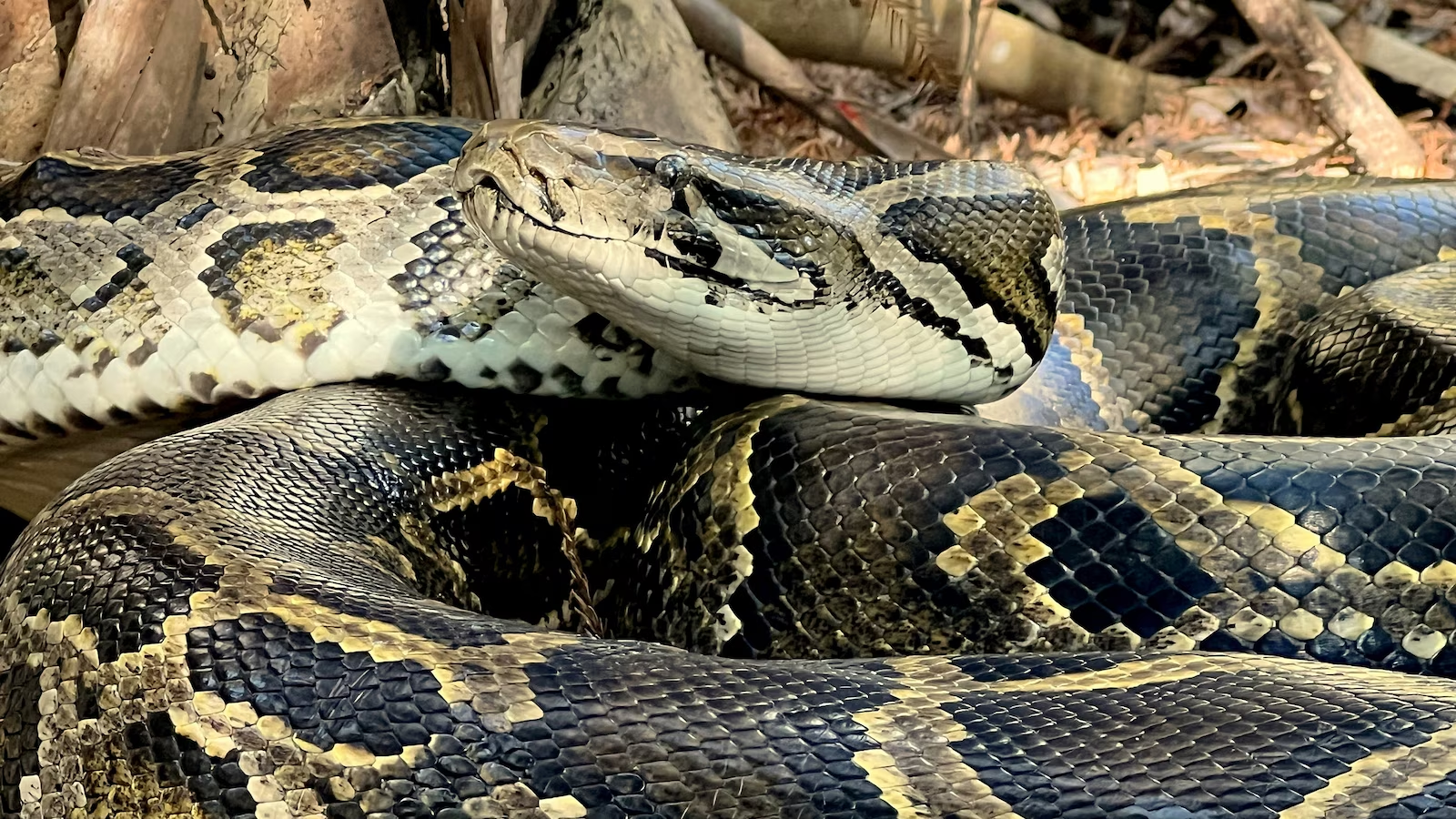
Invasive Burmese pythons have moved to a new location in South Florida, establishing a colony outside their previously established core range, wildlife officials say.
Burmese python populations in South Florida were historically concentrated in Everglades National Park in Miami-Dade County, but they eventually spread from Lake Okeechobee to Key Largo and from western Broward County west to Collier County, according to the Florida Fish and Wildlife Conservation Commission (FWC).
Since then, a new satellite population has emerged. Burmese pythons are currently believed to be native to a portion of western Charlotte County located north of Naples and Fort Myers on Florida’s Gulf Coast, an FWC spokesperson told ABC News.
Now researchers worry that even more ecosystems will be destroyed as apex predators feast on raccoons, possums, bobcats, alligators and birds, including prey larger than themselves, with ferocious appetites.
“They’re a generalist apex predator, and that’s why we’re so interested in removing them from the ecosystem,” Jan Bartoszek, a wildlife biologist and science coordinator at the Nature Conservancy of Southwest Florida in Naples, told ABC News.
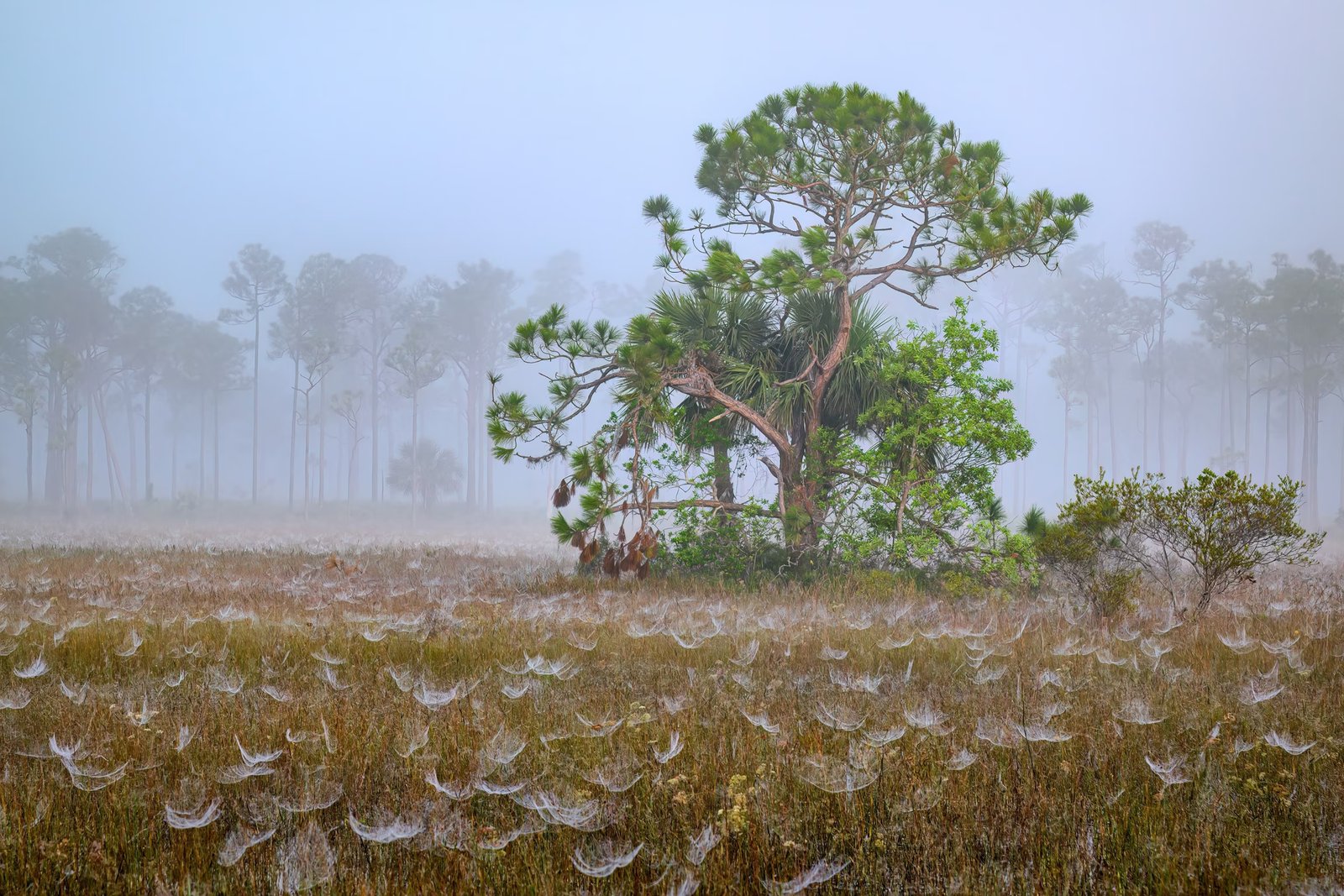
Marsh grass covered in cobwebs on a foggy morning at the Babcock Wildlife Management Area near Punta Gorda, Florida. The Fred C. Babcock/Cecil M. Webb Wildlife Management Area is Florida’s oldest wildlife management area and protects 80,772 acres south and east of Punta Gorda in Charlotte and Lee counties, Florida.
Photo by Diana Robinson/Getty Images
Once Burmese pythons enter an area, most mammal populations are wiped out, leaving behind a “simplified ecosystem” dominated by rodents and other invasive species, Robert McCleary, a wildlife ecologist at the University of Florida, told ABC News.
“It’s a pattern that we haven’t yet found a way to stop or reverse at the scale needed to solve the problem,” McCleary said.
The FWC began receiving an increase in reports of pythons starting in 2020, primarily in the communities of Rotunda West, Placida, Englewood East and South Gulf Cove, the spokesperson said.
There is no indication that Burmese pythons arrived in Charlotte County through natural migration, an FWC spokesperson said. The agency believes the animals were likely held captive and either escaped or were released.
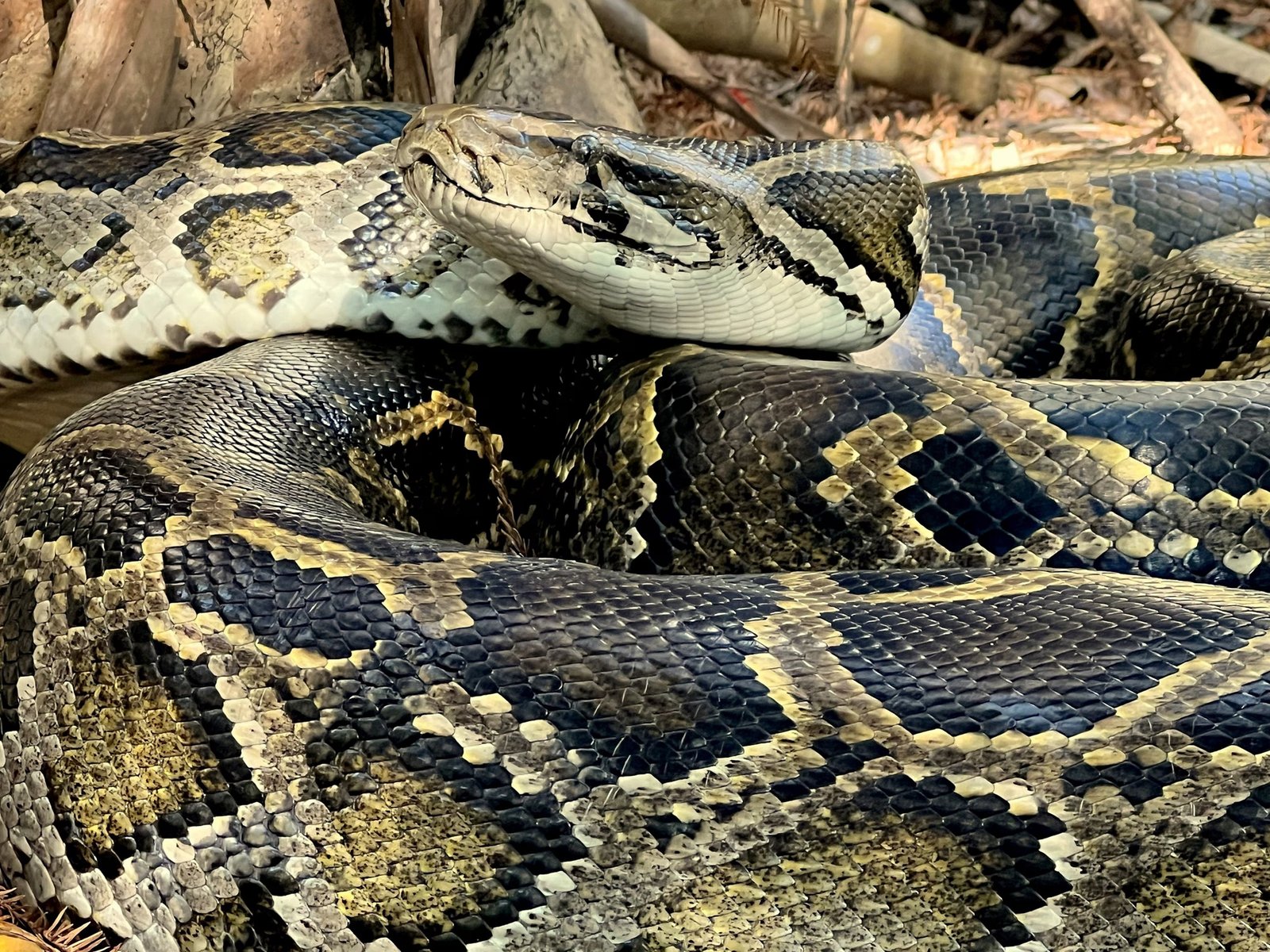
The Burmese python lives in southwest Florida.
Jan Bartoszek – The Nature Conservancy of Southwest Florida
Evidence of the new colony is consistent with what biologists would expect from a satellite population created through deliberate introduction rather than natural expansion, Bartoszek said.
According to the U.S. Fish and Wildlife Service, about 180,000 were introduced into the country between 1975 and 2018, many of which entered the ecosystem through accidental or intentional releases. As of 2000, the species has established a self-sustaining breeding population in the South Florida ecosystem.
Wildlife experts have been unable to estimate how many Burmese pythons live in Florida due to low visibility, according to the FWC.
Research has shown that the detection rate of Burmese pythons is between 1% and 3%, which means that out of 100 snakes in the study area, there may be a chance of finding between one and three individuals. The Burmese python sighting rate in Everglades National Park is about one python per eight hours of searching, according to the U.S. Fish and Wildlife Service.
FWC and partner agencies continue to monitor and study Burmese pythons in Charlotte and Lee counties.