

Seoul, South Korea —
The owner of a restaurant awarded two Michelin stars in South Korea faces a hefty fine and up to a year in prison for garnishing a sorbet dessert with ants.
The problem is not that insects are on the menu.
Rather, the problem lies with South Korea’s detailed food laws that regulate what insects can end up on diners’ plates.
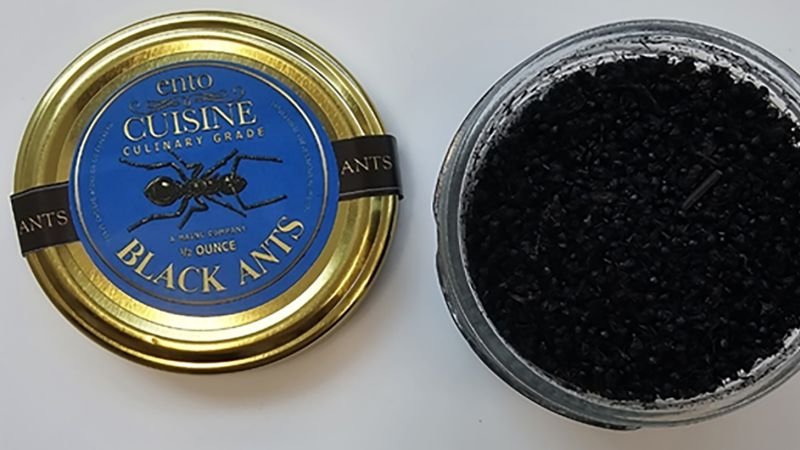
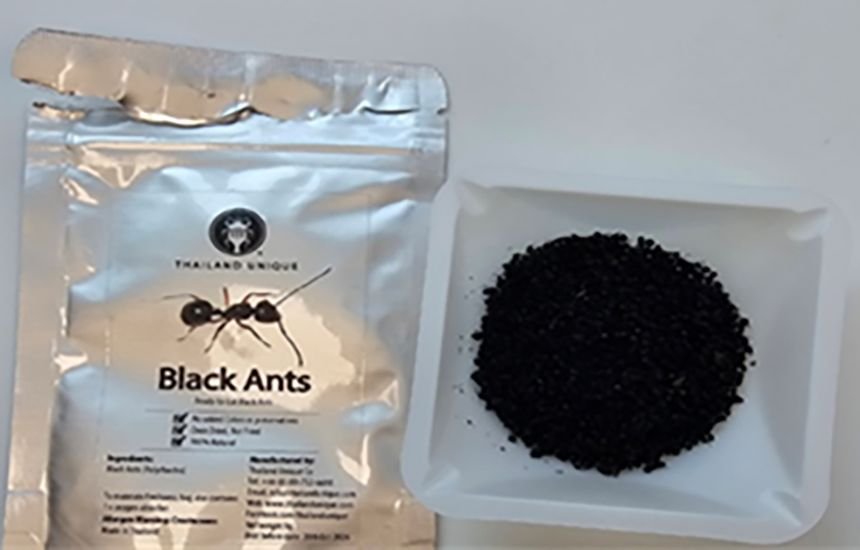
As is typical in South Korea, prosecutors did not name the restaurant or its owner. They told CNN that the eatery in question has been serving dried ants from the US and Thailand since 2021.
They claimed that the restaurant served approximately 49,000 ants in 12,200 sherbet dishes.
Although the chef prepared the dish and included it on the menu, prosecutors charged the restaurant owner with violating the Food Sanitation Act. It is unclear whether the chef is the owner of the restaurant.
According to the government, the problem was not simply the presence of ants in food. The Department of Food and Drug Safety said investigators “found that ants from this restaurant contained levels of heavy metals 55 times higher than the maximum permissible level for other edible insects.”
Prosecutors asked the court to fine the restaurant 20 million won ($13,580), citing profits of 120 million won ($81,470) over the past four years.
The verdict is scheduled to be announced in September.
Advocates in South Korea and other countries increasingly argue that insects are as reliable a source of protein as other animal products. Given how easy they are to grow and harvest, using fewer resources than more traditional livestock farming requires, insects represent an effective way to combat climate change.
South Korean cuisine does not favor insects. Beondegi, for example, is a traditional snack made from steamed silkworm pupae and served in paper cups by street vendors.
But under the country’s Food Sanitation Act, only 10 species of insects, including grasshoppers and silkworms, are allowed for human consumption. Serving any other insect, such as ants, requires special permission from the authorities.
Lawyers representing the restaurant said its chef used ants to add sourness to the dish without realizing that the recipe, which he once used in the United States and Europe, is legally banned in South Korea, local media reported.
They also stated that the restaurant only served ants to approximately 60% of customers and that the ants were clearly listed on the menu as part of the dish.
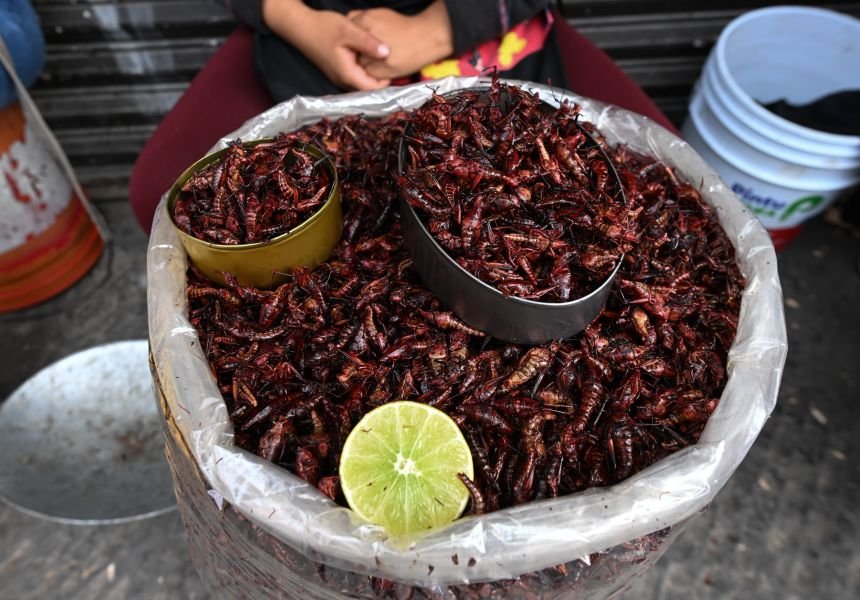
According to a 2013 report by the Food and Agriculture Organization of the United Nations, at least two billion people worldwide already ate insects every day.
According to the FAO, the most commonly eaten groups of insects worldwide are ants, beetles, bees, caterpillars, cicadas, crickets, dragonflies, flies, grasshoppers, leaf rollers, locusts, scale insects, termites and wasps.
In recent years, this trend has gained momentum in Europe and the United States: A report by Global Market Insights previously predicted that the edible insect market in the US will grow to nearly $80 million by 2024, with Europe also expected to see growth.
Among those actively promoting edible bugs in the West is New York chef Joseph Yoon, executive director of Brooklyn Bugs, an organization that wants to change the way visitors think about creepy crawlies. Yoon made tarantula tempura and grasshopper caramel popcorn while working as a guest chef and lawyer.
In Copenhagen, Alchemist, a restaurant with two Michelin stars. The eatery, currently ranked fifth on the World’s 50 Best Restaurants list, has teamed up with scientists to ferment dairy products using both live and frozen ants. The result was the popular “anthill” ice cream, sandwiched between an ant-shaped cookie and an ant-filled gel.