

Comment
The 2026 FIFA World Cup is coming to an end. It’s been an action-packed six weeks, and at the end the question is: what will this superlative tournament be remembered for?
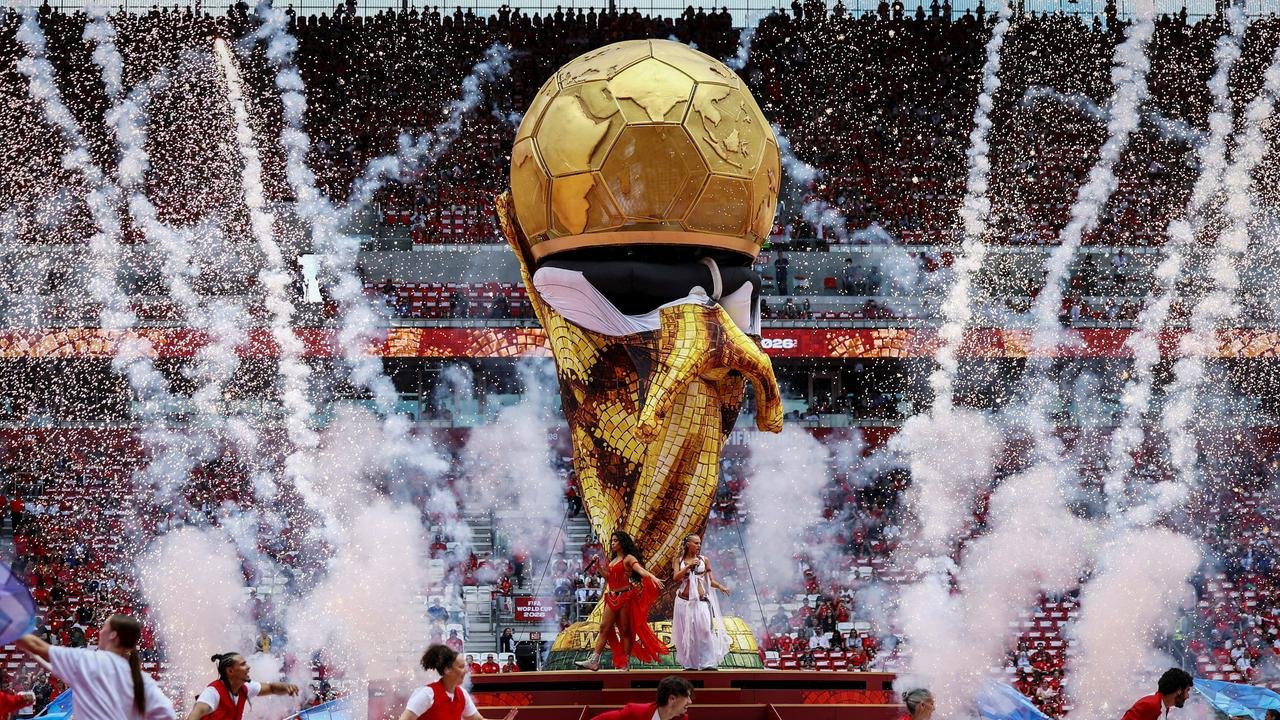
103 games, 307 goals, 206 hydration breaks. The greatest World Cup in history is coming to an end. Much of what happened over the past six weeks has long been forgotten. Or do you still remember how Paraguay played against Australia? On a German night at four o’clock? Even. But: The 2026 World Cup will be remembered because many things turned out better or worse than expected. A stylistic look at the mega-tournament.
Stadiums
American football stadiums were above all else: they were gigantic. Gigantic buildings of gigantic proportions and even more gigantic video screens. Seeing famous football stars in such unfamiliar surroundings, rather than the increasingly similar European football arenas, was a welcome change and added a special charm to this World Cup.
Plus the lush green hills surrounding the stadium in Monterrey and the legendary Aztec Stadium in Mexico City. The Canadian and Mexican stadiums disappeared from the tournament very early on. Unfortunately, from the quarter-finals onwards at the latest, the hosts completely faded into the background, so that the World Cup took on an even stronger American flavor.
Mood
The atmosphere was especially excellent in Mexican stadiums. In the US and Canada, the atmosphere only really got hot when it was provided by the fans who traveled with them. This was especially true for South American teams. Or with the rowing Norwegians. It was so quiet during DFB team games that you could even miss the vuvuzelas from the 2010 World Cup. After all, stadium DJs in US arenas have reliably provided good atmosphere by playing cult classics like Bon Jovi’s “Livin’ on a Prayer,” “Danza Kuduro” and, indeed, DJ Ötzi’s “Hey Baby.”
Stars are dying
The big stars put on a spectacle on the field. Erling Haaland, Kylian Mbappe, Harry Kane and, of course, Lionel Messi – such a mass of exceptional scorers could hardly be seen in another tournament. With Wozinha, Orlando Gill, Yaya Sithole and Judge Ivan Barton (“After watching. Number 10. Paraguay. Covered his mouth. Solution: red card!), this World Cup was the birth of new stars who were also active on social networks.
World stars also frolicked in the stands, sitting comfortably in air-conditioned faux leather chairs. And the management seemed determined to show each of them. It was difficult to count the minutes spent, because filming VIPs was more important than real football. Mick Jagger was there, Shakira, Drake – and yes – Javier Bardem is a Spain fan and was therefore seen more often than most DFB players. At least the world was reminded that Paris Hilton exists. Was it a victory?
Scandals
A good World Cup includes tangible scandals – Zidane’s header at the 2006 World Cup, the “Hand of God”, Suarez’s bite on the shoulder – all events that you just want to dig up in the collective football memory with the words: “Do you remember…”?
The big scandal at this World Cup – the “Balogun case” – is different. It belongs to the category that has caused lasting damage. US President Donald Trump’s possible influence on the World Cup has caused serious damage to the reputation of football and the 2026 World Cup. Yes, even the already unpopular FIFA may have lost even more popularity.
Style
Hardly any other world championship was as cool as this one. Knitwear in the retro style of the 90s completely captured the spirit of the time. The best example of this is the DFB team uniform. Or away jerseys for Spain or Panama. And beyond the ’90s theme, there were plenty of unique, bold, colorful outfits: Ghana’s gold and black masterpiece, France’s smartly dressed team or Japan’s playful away jersey – visually this World Cup was a hit.
The game breaks
This has been one of the constants at this World Cup. As soon as the referee’s whistle blew in the 22nd or 67th minute, the whistle was returned a thousand times from the stands. The brutal heat that was announced and used as the official reason for “hydration breaks” was rare, so the three-minute breaks were used by each group according to their own purposes.
FIFA advertised them, and coaches diligently gave instructions. Fans first used it as a sign of protest, and a little later they roared blissfully to the music of the stadium DJ. And the first pause gave the German fans the only truly euphoric moment of this tournament. Indeed, in the first match of the preliminary round against Curacao, when the score was 1:1, the DFB team was under great pressure. Nagelsmann explained: “The drinking break really did us some good.” They managed to adapt to their opponents’ unusual tactics – and after a 7-1 victory they were able to taste what it was like to be World Cup favorites, at least for a few days.
Last word
There were many very positive surprises at the 2026 World Cup. After the undue harassment that African teams, referees and fans in particular had to endure at the start of the tournament, there was even a long period during which the World Cup seemed carefree. Also in the host country of the USA and despite all the political tensions in advance. But this stage was destroyed by the scandalous Balogun case. This FIFA decision will probably forever remain a shadow over the tournament, which, in addition to a lot of joy, curiosity and unforgettable performances of the attackers, also gave us Vozinha.