

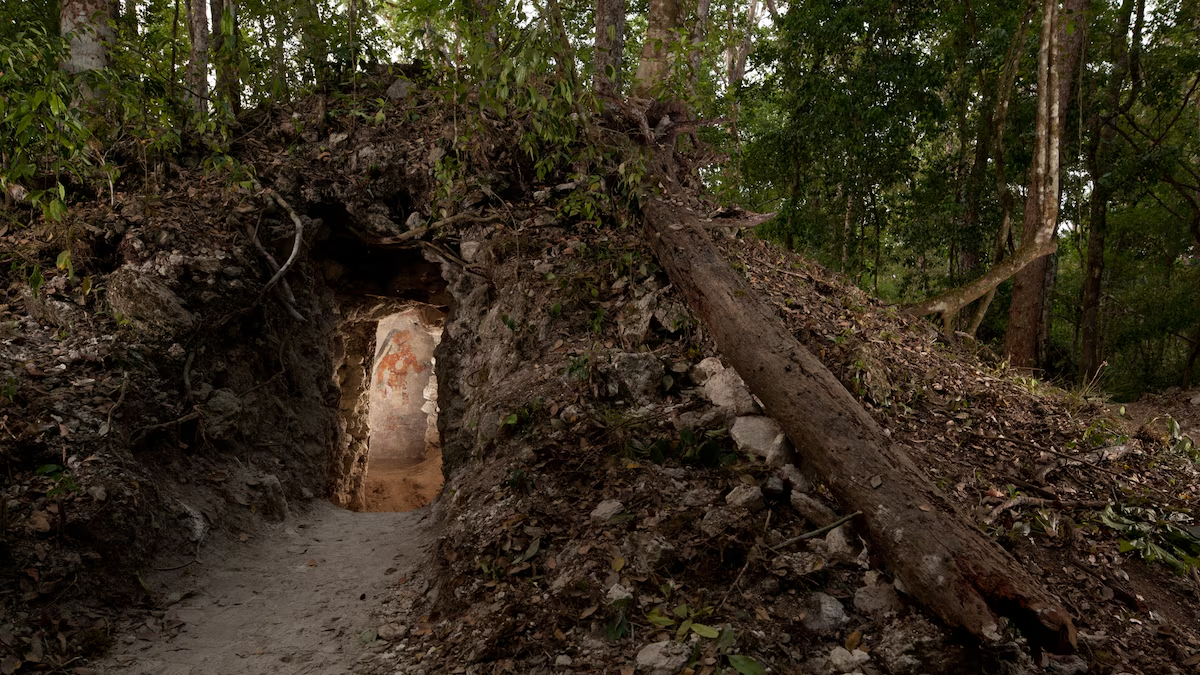
Xultun (pronounced shul-mult) is an ancient Mayan city located approximately 25 miles northeast of the famous ancient city-state of Tikal, which flourished during the Classic Maya period from 250 to 900 AD. It was originally reported in 1915, but little archaeological excavation was carried out until more recent research began in 2008. In total, the site extends over six square miles and is replete with monuments and temples, some of which reach a height of 115 feet.
“This is one of these big places that no one has ever heard of,” says Franco Rossi, an archaeologist at the Massachusetts Institute of Technology and lead author of the paper.
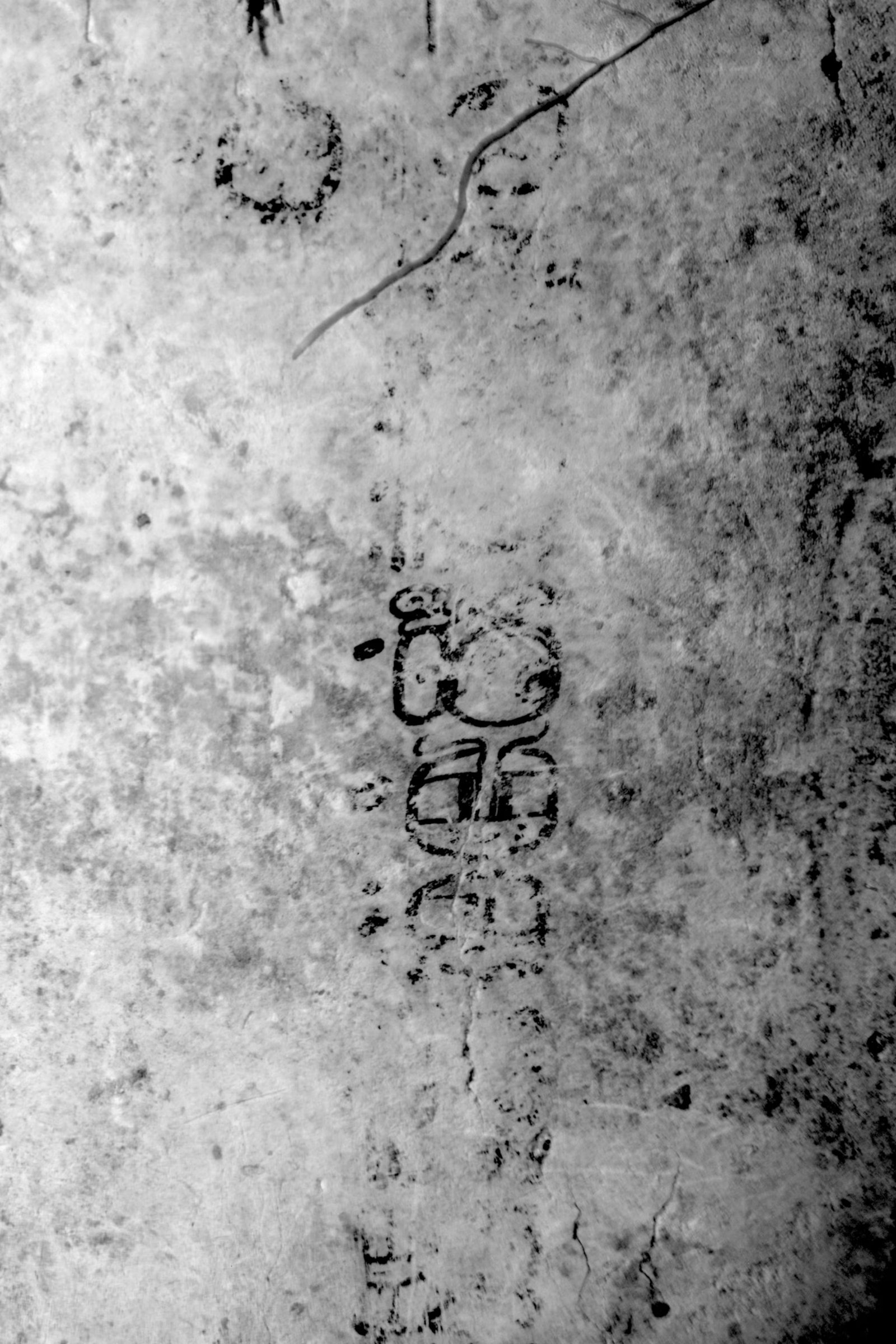
Multispectral imaging of Text 19, found in structure 10k-2, has revealed a unique set of cosmic calculations attributed to a man named Sak Tan Waax.
G. Ware
Previous research has dated materials in structure 10K-2 to the second half of the 8th century, suggesting that its inhabitants were working before the so-called “Mayan collapse” that led to mass depopulation and migration across much of the Maya world.
One day Rossi was pondering the faint scribbles on the east wall of the room. The text was underneath a large set of Mayan hieroglyphs that had yet to be deciphered. After mulling over the text using various programs that could adjust shading and color, he had an epiphany: he could be looking at a name.
“You could look at some of these texts forever and they wouldn’t be interesting,” Rossi says. “But one day you see it and it just clicks.”