

By the time Eddie Jiang was in high school, he knew that he wanted to become a doctor. He chose a college in a state that had federal loan programs so that after college he could afford to go straight to medical school.
He graduated from Stony Brook University in New York in May and is now unsure whether his plans will come true.
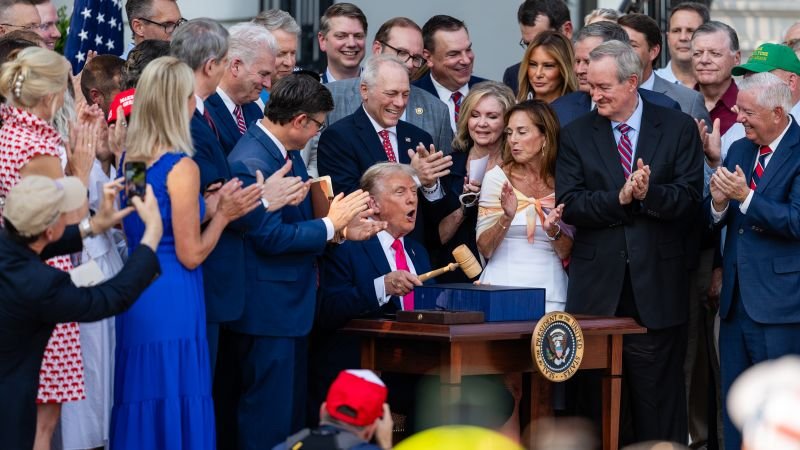
President Donald Trump’s package of sweeping tax and spending cuts, known as the “big beautiful bill,” is changing the way aspiring doctors like Jiang finance their education.
Starting this week, there are limits on federal loans for professional programs such as medicine, dentistry and law. It limits federal loans to $50,000 per year, with a total limit of $200,000. It also eliminates Grad PLUS, a program that allows students to borrow the full cost of tuition, regardless of credit. The Trump administration argues that limiting loans will lead to lower graduate school costs.
Under new federal loan restrictions, Jiang says, he may have to work more than two years after graduating from college to pay for medical school. If he finds stable work during these gap years, he may not return to medicine, he said.
“I find it very frustrating that money became so important in my decision to become a doctor,” said Jiang, a psychology major from New York.
The average four-year tuition for the class of 2026 was $297,745 for public schools and $408,150 for private schools, according to the Association of American Medical Colleges.
The association reports that nearly half of students pursuing an MD degree rely on Grad PLUS and borrow more than $1 billion annually from the program.
Trump’s tax and spending cut package, which passed Congress in the summer of 2025, “fundamentally changes the landscape of medical school funding for aspiring doctors,” said Kristen Earle, director of student financial aid programs at the Association of American Medical Colleges.
There are also concerns that it could make medical school less affordable and worsen the existing physician shortage. In 2024, the Health Resources and Services Administration projects a shortage of 87,150 primary care physicians by 2037.
“As a result of this policy change, many future physicians will be worse off financially and may lose incentive to pursue fields they are passionate about (such as primary care) where salaries are lower,” said Nikita Balaji, national president of the American Medical Student Association.
Some college students are already reconsidering their plans to attend medical school. They turn to private loans, plan to take extra years off, or consider a complete career change.
The Trump administration says capping loans will force graduate schools to lower tuition.
At a May congressional hearing on Education Department priorities, Secretary of State Linda McMahon said that with loan caps in place, schools “will have fewer applicants coming to their universities” and when “they realize that part of the reason is that the cost of tuition is too high, they will reduce those costs.”
Louisiana Republican Sen. Bill Cassidy, a physician and chairman of the Senate Health, Education, Labor and Pensions Committee, also said he believes capping loans and eliminating the Grad PLUS program will ultimately lower costs for students.
“The increasing availability of federal loans has sent tuition prices skyrocketing, trapping students in overwhelming debt they cannot pay off,” said Cassidy, who attended medical school at Louisiana State University. “By limiting inflationary graduate loan programs, we prevent students from overborrowing and put downward pressure on rising tuition costs.”
The Association of American Medical Colleges says rising medical school tuition costs are not causally related to available loan programs. Since the introduction of the Grad PLUS program in 2006, medical school tuition has increased at a slower rate than in previous years. According to the association, the main reason medical school costs have increased in recent years has been the rising cost of living, not tuition.
The Grad PLUS loan program was the topic of the Senate HELP Committee’s State of Higher Education hearings in May 2025, including a 2023 paper that found the program had led to significant price increases for graduate programs.
But Leslie Turner, an assistant professor at the University of Chicago Harris School of Public Policy and one of the paper’s authors, said there’s more to the story. Eliminating generous federal loans may not reduce student costs, she said.
She said the study’s findings may indicate that repealing the program could lead to a slowdown in price increases, but probably not to a reduction in tuition levels. Institutions could provide more grants and scholarships to make up the difference, but she said she wouldn’t count on that.
Turner added that, based on data from 2001 to 2022, public medical school tuition costs are rising at a faster rate than private medical schools. Reduced government funding for public education systems may result in these schools relying more on tuition revenue. Providing additional funding to public institutions could be one policy measure that could reduce costs for students.
“Given the current state of higher education funding, reductions in federal funding, restrictions on international student visas, and general uncertainty, it is unlikely that institutions will be able to increase the financial aid provided to students,” Turner said. “I think most schools would like to continue the current generosity of their programs, but it’s just a very precarious financial situation in higher education.”
Private loans can be a solution for medical students who can’t borrow what they need, but they often have higher interest rates, offer limited repayment flexibility, and have few forgiveness options. They may require co-signers and not offer any income-based payments, leaving students with huge and inflexible debt.
Jadyn Sinclair was accepted into Brown University’s medical liberal arts program and committed last year to attend medical school in 2029.
She estimates medical school will cost her $400,000 over four years. Until recently, she expected to return this money as soon as she became an attending physician. But if the $200,000 is no longer covered by federal loans, she said, she will have to rely on private loans.
Sinclair said she felt betrayed because she committed the crime under “completely different circumstances.”
“If I had known this was going to happen, I might not have gone to medical school at this point,” Sinclair said.
Many students may also not have access to private loans. The availability of private student loans has declined significantly over the past 20 years and has never recovered since the end of the Great Recession, Turner said.
“Private lenders look at an applicant’s credit history, their credit score, and may decide not to even extend credit to individuals without an extensive credit history or with a low credit score, and interest rates may be tied to the borrower’s creditworthiness,” Turner said.
Without increased availability of private student loans, professional programs such as medical school may become less affordable, Turner said.
Giving up your dream
Yale University student Faven Wondwosen dreamed of becoming a doctor since childhood.
“My parents never went to college and they’re both immigrants. I was really hesitant to go into medicine, not because I wasn’t sure if I wanted to be a doctor, but because I wasn’t confident in my abilities,” Wondwosen said.
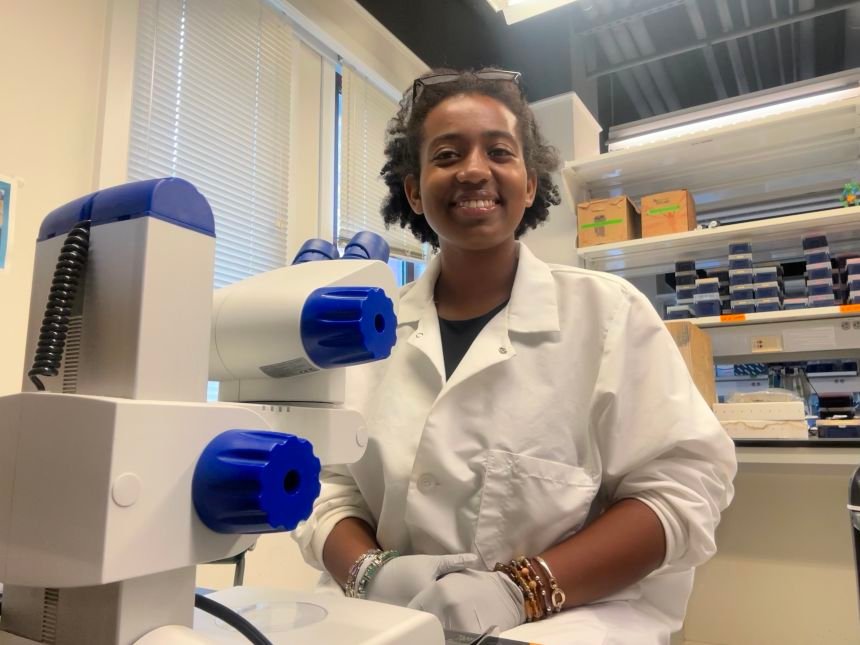
Over the past two years, she has taken eight pre-service courses, worked on research in the lab, and trained to become an emergency medical technician.
“I think I took 30 exams in one semester. And I’m starting to realize, ‘Oh, I can actually do this.’ And now no matter how hard I work, there’s a good chance I won’t be able to become a doctor,” she said.
Last year, Vondwosen changed course from pursuing premed requirements and now plans to pursue a career in academia instead. She said although her dream is to become a doctor, her priority is to support her family after graduation.
“My dad is a truck driver and my mom works in retail. I need to figure out a career that will give me the same amount of money to take care of my parents. I want my parents to relax. They worked really hard,” Vondwosen said.
“This whole concept of the American dream that if you work hard enough you’ll get there, it’s just, frankly, a lie,” she said. “I thought that if I worked hard enough, it would eventually work out. Maybe that was naive.”
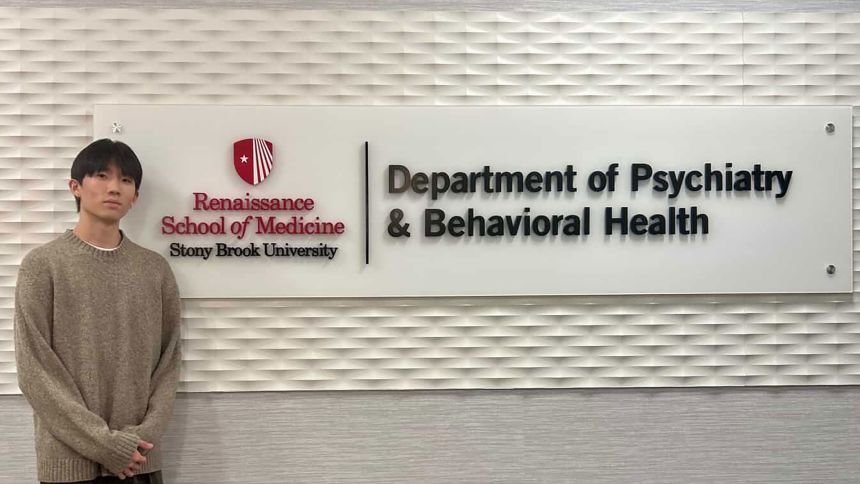
Jiang said that, given credit restrictions, he expects to work for several years after college before going to medical school and expects to have to work while studying.
“There’s a pretty unspoken thing about people in medical school also doing part-time jobs, like serving or knocking down doors,” Jiang said.
If he had known he would have a hard time affording medical school, he might not have spent the summer volunteering in hospitals and laboratories, he said. Perhaps he chose a completely different path.
“If you had told me in high school, ‘You can’t take out more than $200,000 in loans for medical school, and you know the average debt is more than that,’ I would have gotten a job right out of high school and worked a gainful job every summer to make up the difference.”
Now, he says, he’s “in too deep” and is no longer competitive or specialized in other careers.
“The skills I developed in the lab won’t translate into anything in, say, finance,” Jiang said.