
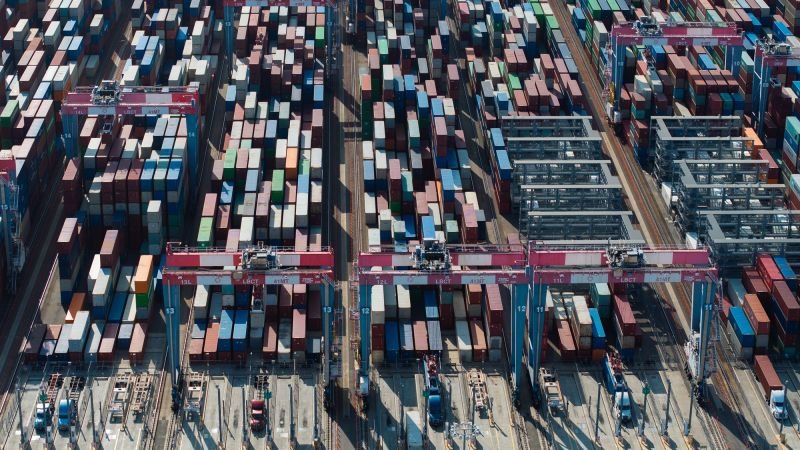
The Trump administration says efforts to combat trade fraud have already surpassed $1 billion in recoveries and estimated losses, less than a year after creating a task force dedicated to the initiative.
According to the task force, this figure includes money received in criminal and civil cases, including fines, payments, restitution, asset forfeitures and damages claimed in ongoing cases. Only $150 million of that total is tied to pending cases. The news was shared exclusively by CNN.
The Trump administration has made trade enforcement a central part of its broader effort to increase tariff collections and crack down on companies accused of circumventing U.S. trade rules.
The task force, led by the Departments of Justice and the Department of Homeland Security, was created immediately after President Donald Trump’s delayed Emancipation Day tariffs took effect, with rates as high as 50% on goods from some countries. The Supreme Court later ruled that the president did not have sufficient authority to impose tariffs.
High tariff rates have given importers a greater financial incentive to reduce their duties—sometimes through legal strategies such as adjusting products to fit different tariff classifications or using customs-regulated warehouses that allow companies to defer payments.
But it may also have encouraged more importers to resort to illegal schemes.
A Goldman Sachs study last year estimated that tariff evasion could ultimately impact more than $200 billion of U.S. imports and reduce tariff revenue by about $40 billion over the long term. Among the most likely methods of evasion, economists named misrepresentation of the cost of goods, falsification of countries of origin and routing of supplies through third countries with lower tariffs.
There are hints of possible tariff evasion in discrepancies between the import value the United States reported for countries and the value other countries reported for their exports to the U.S. over a period of time, economists say.
The analysis also notes that the impact could be less if the administration’s efforts to curb evasion are effective.
The case that pushed the task force past the $1 billion threshold involved a U.S. jewelry importer accused of falsely declaring the country of origin and diverting imported gold jewelry through a country with a lower tariff rate.
The charges, filed in the U.S. District Court for the Northern District of Illinois, allege that the jewelry, with an estimated total value of approximately $240 million, was linked to missing $13.6 million in toll revenues.
“The Department’s focus remains the same: if you misclassify goods or falsify origin to evade any legal duty, regardless of when those duties were enacted or evolve over time, we will investigate and hold you accountable,” Assistant Attorney General Colin McDonald, who leads the task force, said in a statement to CNN.