

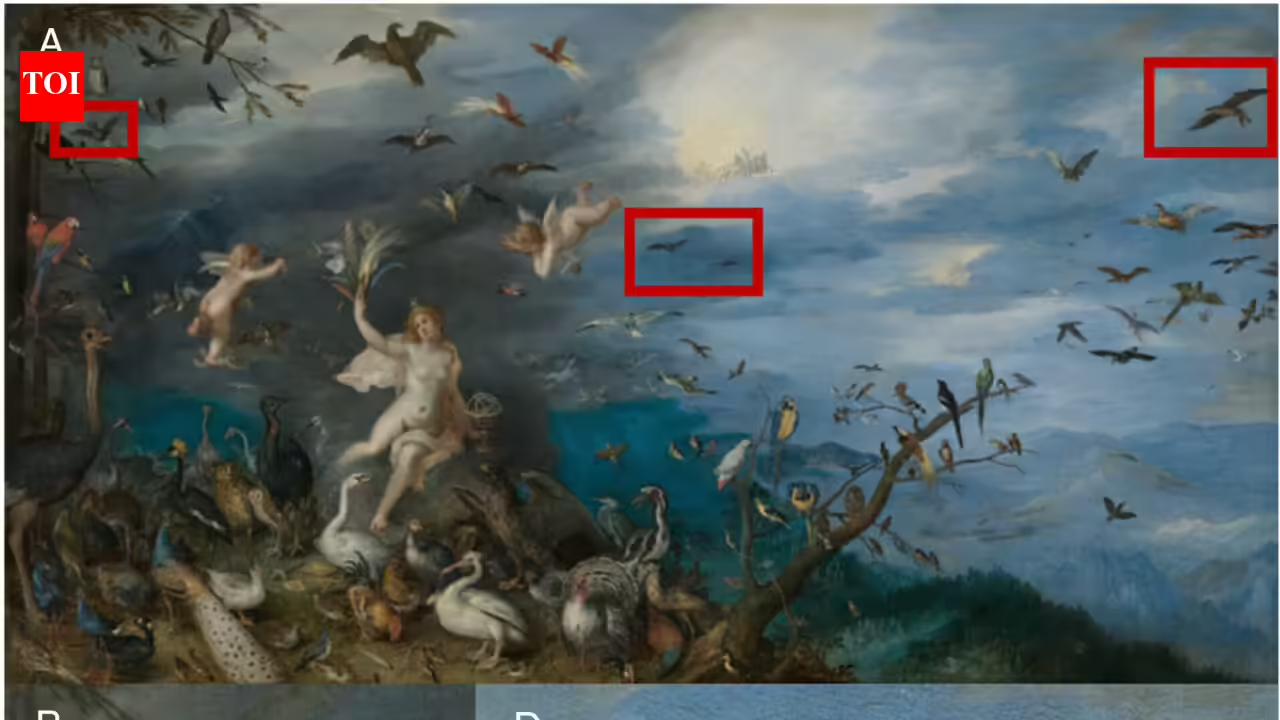
A 17th-century painting by Jan Brueghel the Elder reveals a stunning detail: a bat hunting a songbird. This discovery, made by an eagle-eyed observer, challenges long-standing scientific skepticism about bats preying on migratory birds. Image credits: Natural history on canvas: Bruegel knew about evening bats feeding on birds. When we visit historical art museums, we usually think of Renaissance masterpieces in familiar terms. We imagine majestic oil paintings depicting dramatic mythological struggles, elegant portraits of royal families dressed in the finest silk, and beautifully idealized pastoral landscapes. For generations, the history of traditional art has taught us that early modern European artists relied primarily on symbolic conventions or classical biblical scenes to create their major works. It is widely believed that these centuries-old paintings have already been carefully analyzed and hold few secrets.But a surprising discovery hidden in a seventeenth-century masterpiece paints a very different picture of the intersection of classical art and modern field biology. In a complex allegorical landscape created more than four hundred years ago, a keen observer has spotted a tiny, hidden detail that completely rewrites what we know about historical wildlife sightings. This thin brushstroke of oil paint may reflect a rare predatory behavior that wildlife experts have only recently confirmed through field research.This unusual historical coincidence was revealed in a study published in the journal PNAS entitled Natural history on canvas: Bruegel knew about bird-eating nocturnal bats. The scientific report examines the oil painting on copper “Air”, painted in 1611 by the Flemish master Jan Brueghel the Elder. Modern analysis suggests that while zoologists have long viewed reports of bats preying on migratory birds with skepticism, the painting may depict the phenomenon in plain sight.Rare scene of bat predation hidden in a classic paintingTo fully understand why this artistic discovery sent shockwaves through the scientific community, it’s helpful to look at the enormous difficulties researchers have faced in trying to study these animals in the wild. The species depicted in the painting is the great evening bat, an elusive mammal that flies at high altitudes at night. Because these creatures hunt in the dark, more than a kilometer above the ground, observing their feeding habits directly from the forest floor was extremely difficult, so scientists relied on indirect clues left at roosting sites.The study says field biologists have only recently confirmed this hunting behavior of birds using advanced technology. Just last year, international conservation teams successfully attached ultra-light data-recording backpacks to wild noctuid bats. These high-tech devices recorded altitude, flight speed and sound as bats quickly dived to intercept migrating songbirds at night.When Spanish environmentalist Pedro Romero-Vidal began examining Jan Brueghel the Elder’s 1611 painting “Air” as part of a project tracking historical wildlife images, he noticed something strange at the top of the canvas. Surrounded by a chaotic, beautiful flock of over sixty recognizable bird species, a large bat was clearly depicted with a small feathered songbird clutched tightly in its jaws. The drawn mammal’s specific anatomical features, including its short, rounded ears, narrow wings, and distinctive reddish-brown fur, are consistent with a great noctule. 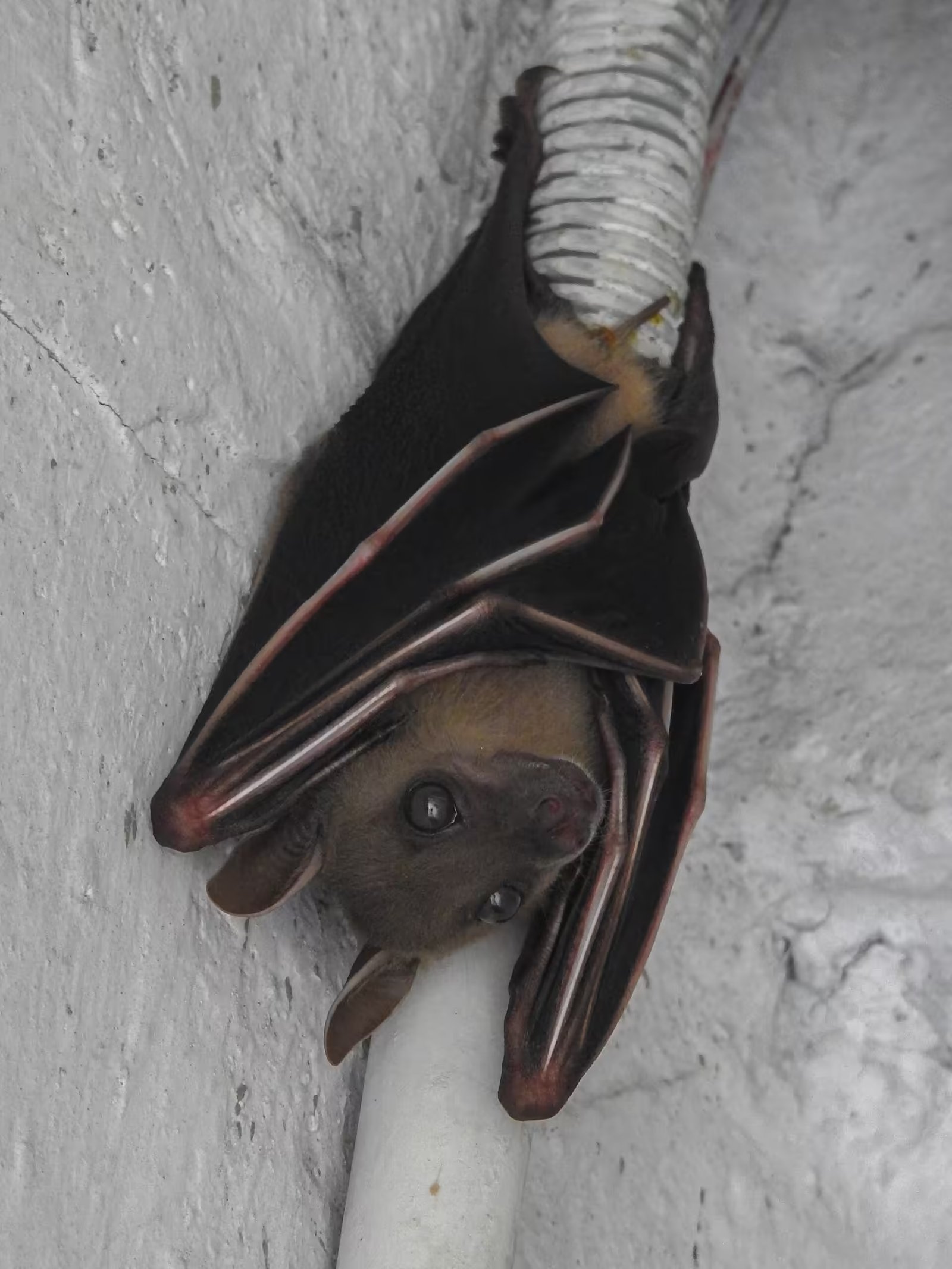
Modern technology has only recently confirmed this behavior, suggesting that the Flemish master’s devotion to realism captured a rare natural phenomenon centuries ago, highlighting the scientific value hidden in the art. Image Credits: Wikimedia Commons
The amazing precision of early modern naturalistsThis scene raises questions about how a seventeenth-century artist could depict behavior that modern science has only recently confirmed through the use of tracking devices. Although classical artists often used animals as moral allegories, the anatomical and behavioral details of this Flemish painting suggest that it may have been based on actual observations.According to the study’s commentary, Jan Brueghel the Elder was known for his strong commitment to realism, often visiting royal menageries and consulting with early naturalists to sketch rare examples from life. Although the great evening bat is not a common sight in the artist’s native Belgium, historical records indicate that the artist spent significant time traveling in Italy, where the ornivorous mammal has a much larger and more active wild population.This discovery highlights the scientific value hidden in large art collections. By suggesting that a Renaissance artist recorded complex interactions with wildlife before modern science accepted it, the study shows that historical art can preserve useful observations of the natural world. Studying this painting may prompt scientists to look more closely at classical art for ecological clues.