
The cause of death of a young Saudi prince has been revealed in a shocking discovery after he was found dead last year in a £600-a-night hotel room in Kensington, London.
14:05, 23 Jul 2026Updated 14:10, 23 July 2026
Hotel CCTV showed the prince was alone on the night of his death
A Saudi prince who was found dead in a luxury Kensington hotel room was almost three times over the drink-driving limit and had “lethal levels” of the party drug GHP in his system, an inquest has heard.
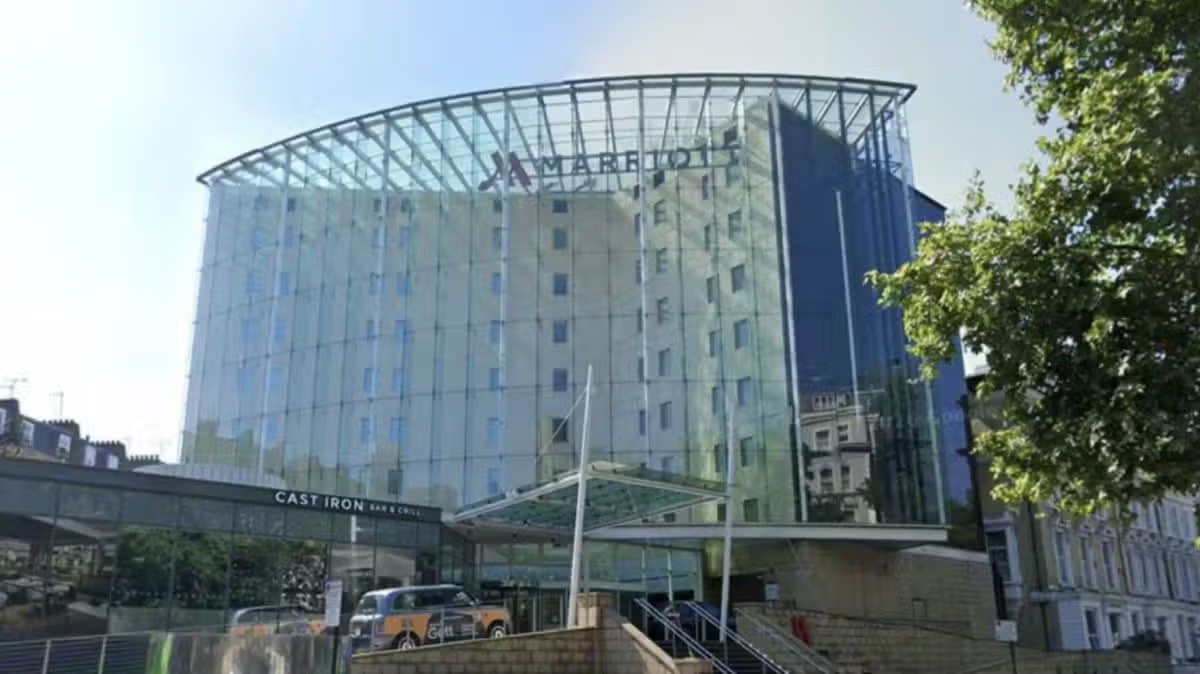
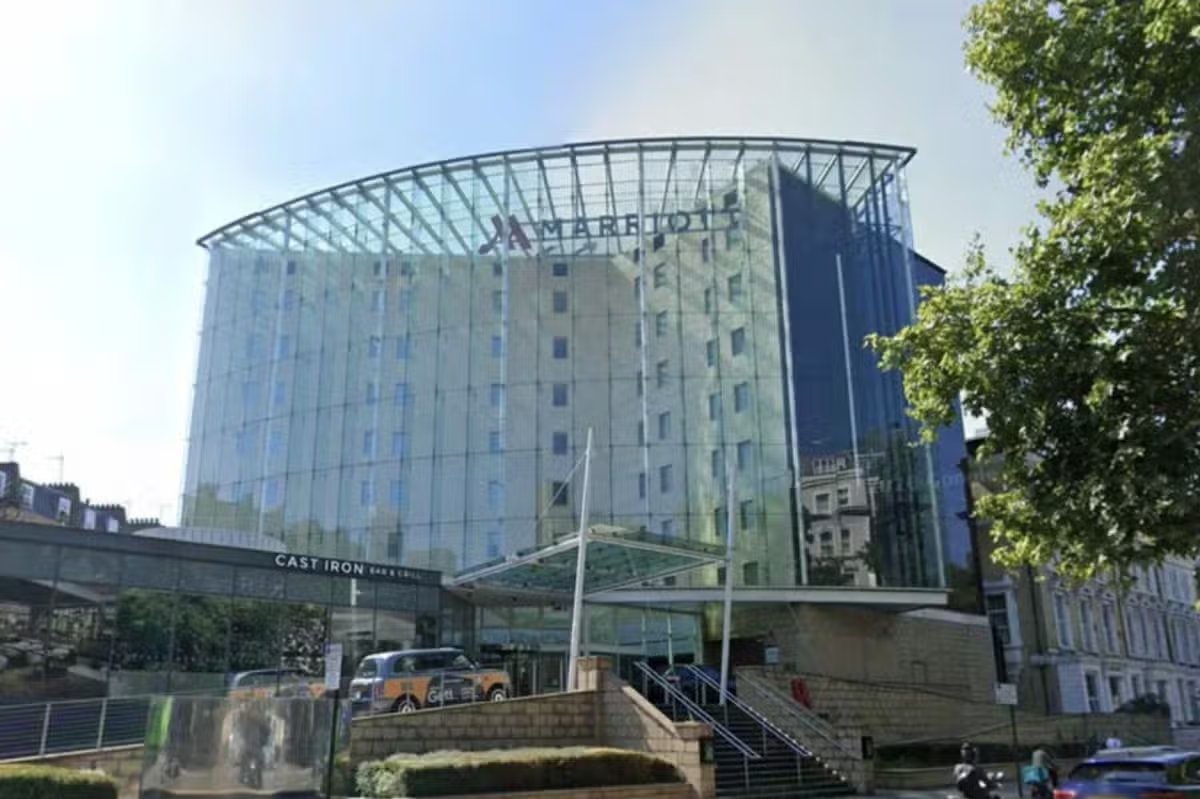
Abdullah bin Fahad bin Abdullah bin Abdulaziz bin Jalawi al Saud was found dead in his £600-a-night Marriott hotel room in Kensington on November 25 last year.
A cleaner found the 29-year-old prince lying in the bathroom of his locked fifth-floor room, fully clothed. Hotel security and an ambulance were called but they were unable to revive him. Unfortunately, he was pronounced dead at the scene.
The prince was found fully clothed at the time of his death.
An inquest at Inner West London Coroner’s Court ruled out any suspicion of third party involvement in Abdullah’s death as CCTV proved he was alone the night before his death as he could be seen going outside to smoke a cigarette.
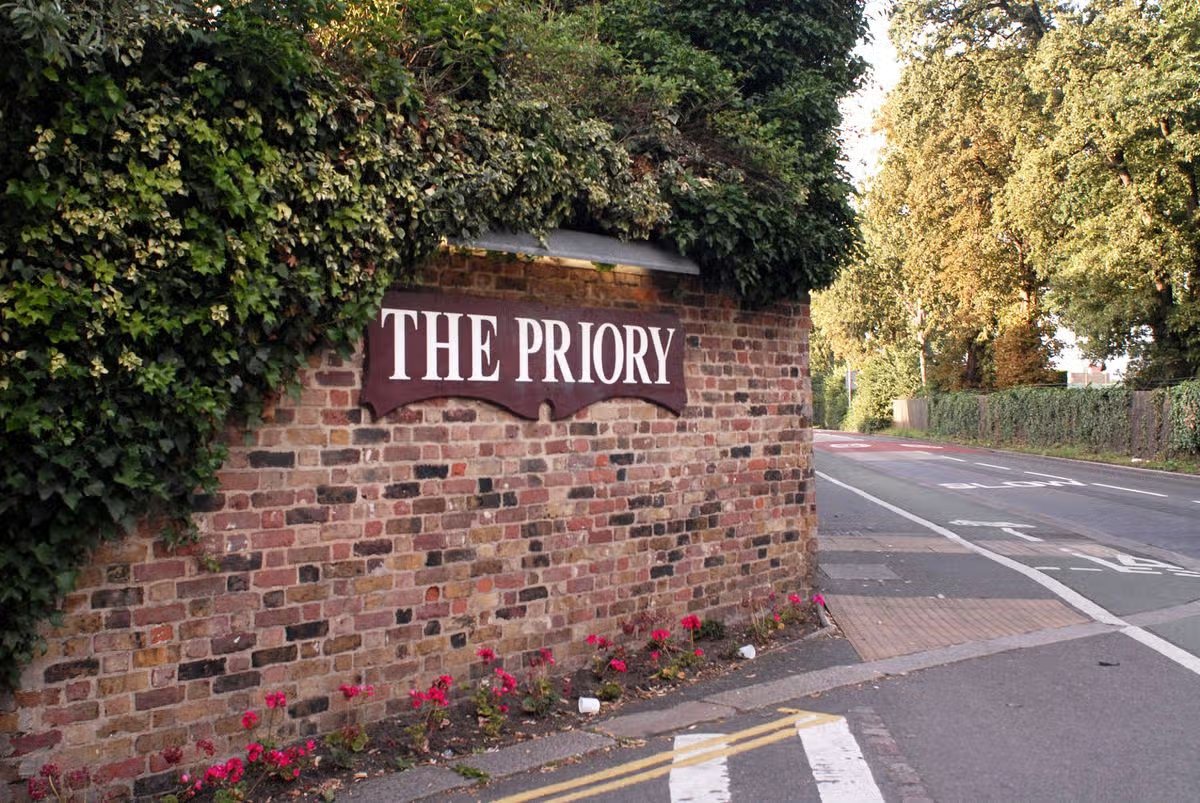
The royal was admitted to the notorious Priory Clinic in August last year, months before his overdose, where a stay can cost up to £35,000 a week. It was here that the prince detoxed from alcohol, benzodiazepines and the anti-anxiety drug pregabalin.
Consultant psychiatrist Dr Victoria Chamorri said Abdullah “had a good time” and the detoxification was “without any physical side effects”. She went on to say that “he was supportive and kind to his peers and made friends.”
She added: “On admission he was assessed for symptoms of low mood and anxiety. When he was discharged, he was not considered to be at risk of suicide.”
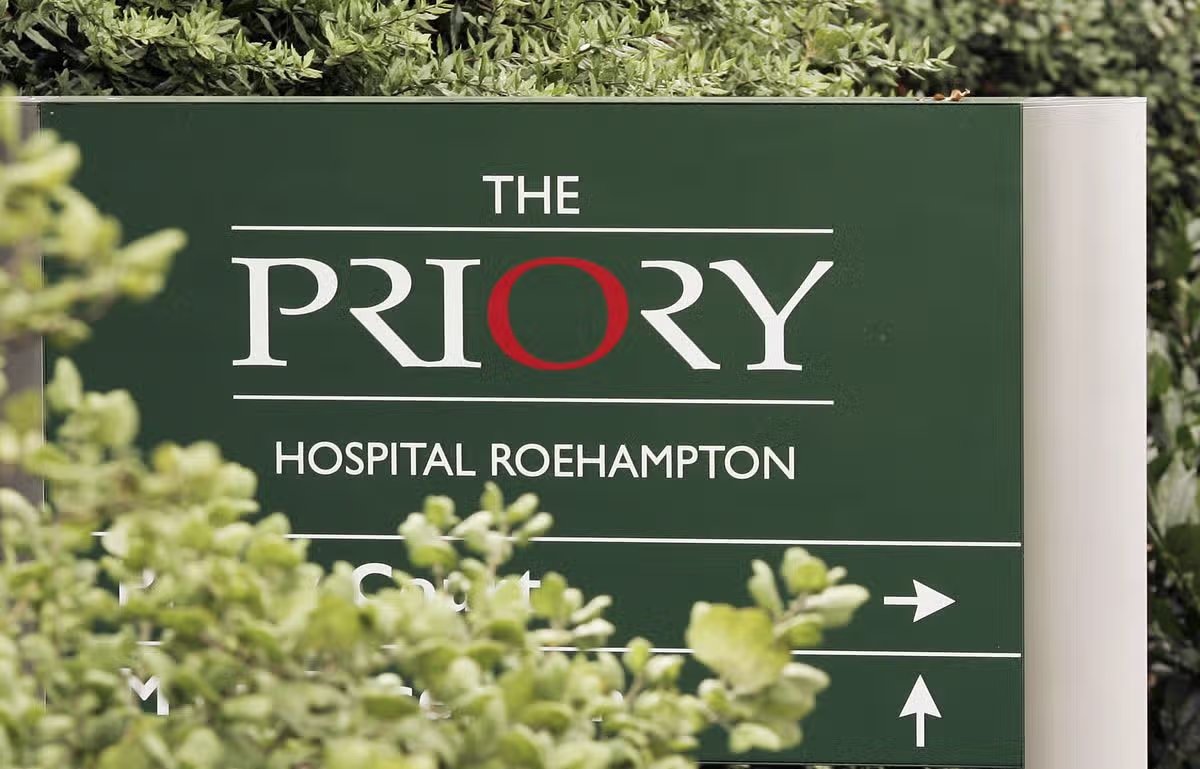
The investigation revealed that the prince had several substances in his system at the time of his death.
Assistant Coroner Jean Harkin said she did not believe he intended to kill himself, noting that reports from both emergency centers said there were no concerns, he never mentioned suicide and he did not leave a suicide note.
He was discharged from the Priory with a friend but later failed to attend scheduled Zoom meetings. “However, there was no concern for him. He did well and completed his treatment.”
The royal went for more treatment at the £7,000-a-week Rainford Hall clinic in St Helens, Merseyside. There he was diagnosed with an upper respiratory tract infection. Abdullah made a full recovery on October 14.
Recent toxicology reports also showed he had a blood ethanol concentration of 222 mg of alcohol per 100 ml of blood, well above the 80 mg driving limit.
The amount Prince ate was almost three times the limit and was not above the limit to cause a coma.
The coroner’s report released yesterday, July 22, 2026, confirmed that Prince Abdullah had lethal levels of the party drug gamma-hydroxybutyrate, commonly called GHB, as well as residues of cannabis and various other anti-anxiety drugs, including alprazolam (Xanax) in recreational doses.
The abuse of these drugs in combination with alcohol inevitably led to cardiac arrest in the prince.
Ms Harkin returned a verdict of accidental death with the cause of death being due to the use of multiple medications. She said: “I would like to express my sincere condolences to Abdullah’s family.”
For the latest news and stories from around the world from the Daily Star, sign up for our newsletter.