

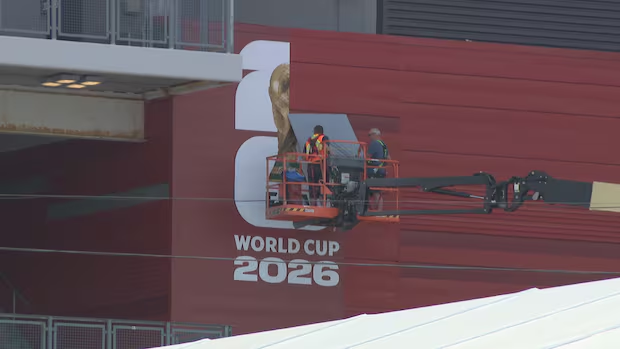
As Toronto’s official hosting duties for the 2026 World Cup come to an end, data shows the city saw little economic benefit during the first two weeks of the tournament.
That has a lot to do with the model on which the World Cup and other major international sporting events are based, said former Toronto mayor David Miller. He said major sports organizations such as FIFA reap the most benefits, while host countries and cities bear the brunt of the costs.
“They’re sharks,” said Miller, managing director of the C40 Center, an international urban policy think tank focused on climate change, public health and economics. “They really ensure that all costs are passed on to the hosts.”
According to a report from the Parliamentary Budget Office, the cost of hosting the 2026 World Cup in Canada is estimated at $1 billion. It said Toronto taxpayers spent $380 million to stage the six games, while the seven matches played in Vancouver cost an estimated $578 million.
Despite the costs and logistics, Miller said one thing makes hosting the World Cup worthwhile: “They’re great for the city and people love them when they happen. It creates a huge community, excitement and joy.”
WATCH | Was Canada worth the $1 billion price tag for hosting the World Cup?
The 2026 World Cup will cost Canadians $1 billion – is it worth it?
The Parliamentary Budget Office says hosting the 2026 World Cup will cost Canadians more than a billion dollars, but what return will the investment bring? For The National, CBC’s Eli Glasner asks industry insiders for a cost-benefit analysis.
While Toronto will not host any official teams or matches until the end of the World Cup, which ends on July 19, FIFA-related events such as the Fan Fest will continue for visitors and local fans.
Canada isn’t quite done hosting yet, with a round of 16 game scheduled for July 7 in Vancouver.
World Championship vs. Swift’s Eras Tour
Data from payment processing company Moneris for the period June 12 to June 26 — the first two weeks of the World Cup in Toronto — showed debit and credit card spending at restaurants and bars in the city was up just three per cent compared with the same period last year. Among international visitors, similar spending increased by 34 percent, the data showed.
But it seems soccer fans didn’t spend as much as Swifties when Taylor Swift’s Eras Tour came to Toronto in November 2024.
Moneris data showed that overall restaurant spending using debit and credit cards increased 12 percent during that time, while international diners spent 57 percent more at restaurants.
At hotels in the city, spending on debit and credit cards increased by 18 percent during the first two weeks of the World Cup compared to the same period in 2025. These costs are more comparable to the Eras Tour frenzy, which saw hotel spending rise by 16 percent.
There were another 200,000 bike rides in June, which can be attributed to the World Cup, Toronto City Manager Paul Johnson told CBC Radio. Metro Morning Monday. He added that the city has generated “millions of dollars in revenue” from ticket packages and commercial sales opportunities.
“We were in business right up until that last game, and that helps us financially,” he said. “We needed to put on a world-class event and we did it, I think, incredibly efficiently and effectively.”
The teams that played in Toronto and the fans who came to watch the games spoke highly of the host city, Johnson said.
“Looking at it from a player perspective, a fan perspective, an operational perspective, I think from a city and region perspective as a whole we’ve done incredibly well,” he said. “I don’t know if things could have turned out much better.”
Johnson said he doesn’t have specific numbers yet and that it will take some time to get a final price.
“We’re still working,” he said. “But no, we were in no way in danger.”
Major sporting events are ‘stacked’ against host cities – expert
Sporting events like the World Cup “always stack up in favor of the dealers” and the winner is “the house” or FIFA, says Taisha Redden, an assistant professor of urban planning at the University of Toronto.
She said Montreal crunched the numbers and decided not to participate as a World Cup host due to costs and to “not spoil the atmosphere of the city.”
“These events can be very disruptive for patrons … and inconvenient for our residents,” she told CBC Radio. Metro Morning.
Miller, who was part of the team that helped bring the world championships to Toronto, said it seemed like a “pipe dream” at the time. Now that that’s happened, he said, cities should negotiate harder for a fairer deal.
“You can’t justify it financially, so you’ll have to really fight with FIFA over various agreements,” he said.
Financial incentives such as sales tax go to the provincial and federal governments, not municipalities, Miller said.
WATCH | Before the tournament, Toronto faced a funding shortage: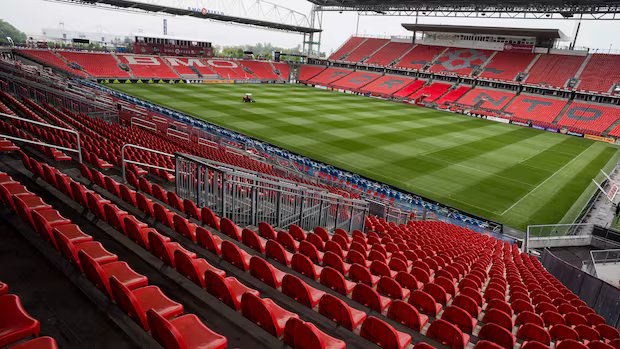
Toronto province squabbles over 2026 World Cup funding
Mayor Olivia Chow says the city may be forced to cut the budget for World Cup games following the “return” of provincial funding. CBC’s Clara Paseka has the latest details and reaction.
Redden said many host countries will justify the decision to host the tournament by saying it will put their cities on the tourism map, but that may not be a strong enough reason for cities like Toronto and Vancouver.
“It’s a bit of a strange opinion because I’m pretty sure the world knows about Toronto, right? We are no secret here,” she said.
Redden said the city might have seen the same increase in restaurant and hotel spending if it had implemented the same upgrades and projects during a normal year.