

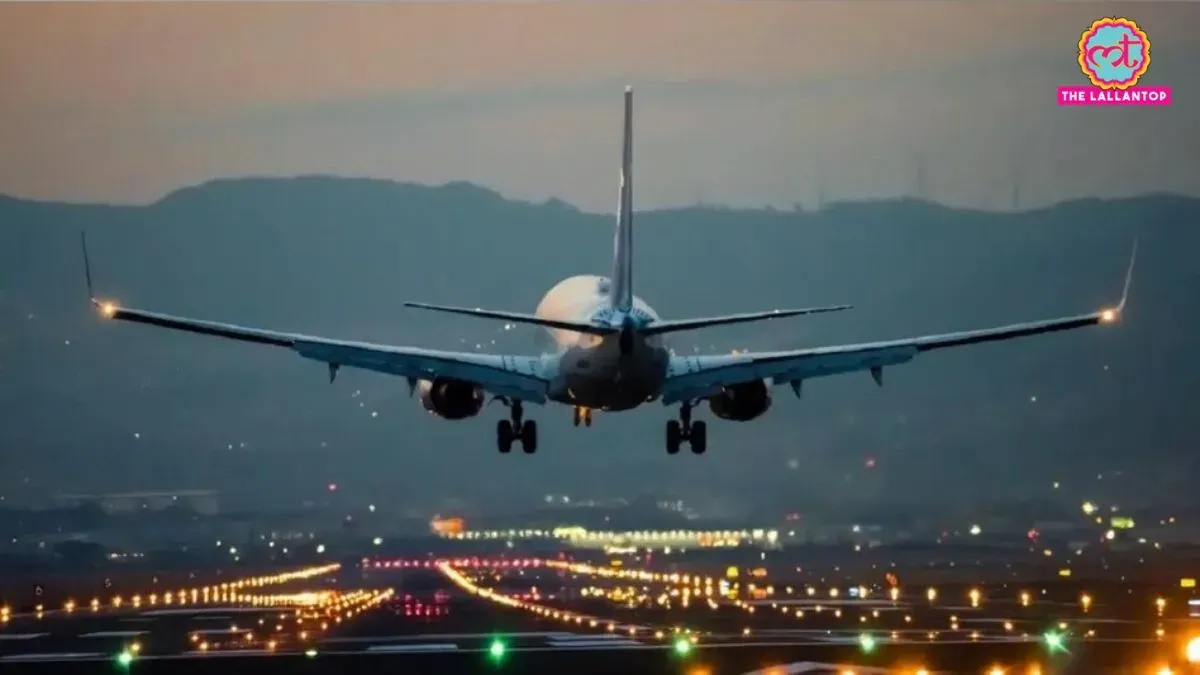
Demand for jet fuel is expected to increase during the summer season as inventories have dwindled. Its supplies have been limited by cuts in refining production by major jet fuel exporters in the Gulf and Asia. The Gulf countries account for about 40 percent of aviation fuel supplies.
June 24, 2026 (Updated: June 24, 2026 9:54 pm EST)
Jet fuel supplies dwindled in the summer (Photo: Aai Tak)
Artificial Intelligence Briefs
Click here to see more
Airfare may prove to be heavy on the pocket in the coming days. Airlines cannot obtain as much air turbine fuel (ATF) as they require.
An Economic Times report, citing a report by world-renowned consultancy McKinsey, said that ongoing tensions in the Middle East and problems at the refinery are affecting jet fuel supplies. This may increase the propagation of cracks. This could make air travel more expensive in the future.
Crack distribution will increase due to decreased supply
Due to the reduction in supplies, jet fuel is becoming more expensive, and the use of cracking is increasing. The crack spread shows how large the difference is between the price of crude oil and the price of products derived from crude oil refining, such as gasoline, diesel fuel, and jet fuel.
For example, if the price of a barrel of crude oil is $80, and the price of jet fuel made from it is $130, then the crack spread will be $50 per barrel. The higher it is, the more expensive aviation fuel will become.
Also Read: Air India Has Arranged Cheap Fares, This Is The Only Opportunity You Will Have To Give Up.
Citing historical prices, the report said the price of jet fuel is typically around US$20 per barrel or less, but could average more than US$50 per barrel in 2026.
Jet fuel supplies reduced
The report said demand for jet fuel is likely to increase in the summer season as inventories have dwindled. Its supplies have been limited by cuts in refining production by major jet fuel exporters in the Gulf and Asia. The Gulf countries account for about 40 percent of aviation fuel supplies.
However, the McKinsey report also states that if the Strait of Hormuz is fully opened and jet fuel supplies return to normal, jet fuel prices will likely fall. It is further reported that about 30 percent of the cost of an air ticket usually goes towards the cost of jet fuel. In such a situation, due to the rise in price of jet fuel, the cost of air tickets may increase by 20-25 percent.
Video: Police action begins after clash with Bharat Tiwari