
During Pride Month, Darrell Gordon has been a constant presence at LGBTQ+ events around the city.
He kicked off the celebration by raising the Pride flag in Logan Square, celebrating LGBTQ+ visibility outside of Chicago’s most recognizable queer enclaves on the North Side. A few days later, he DJed at the opening of “The Right to Gather,” an intergenerational art exhibit connecting older and younger LGBTQ+ people through art and conversation. And later that month, he stood in Washington Square Park as community members celebrated the 56th anniversary of Chicago’s first Pride march.
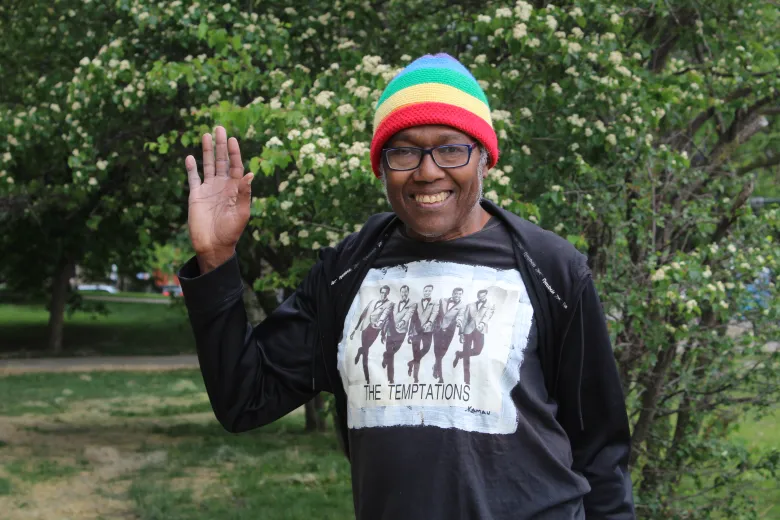 Darrell Gordon at the Logan Square Pride flag ceremony on June 1, 2026. Photo by Jake Wittich.
Supporting events like this is standard for Gordon, a longtime activist on Chicago’s West Side.
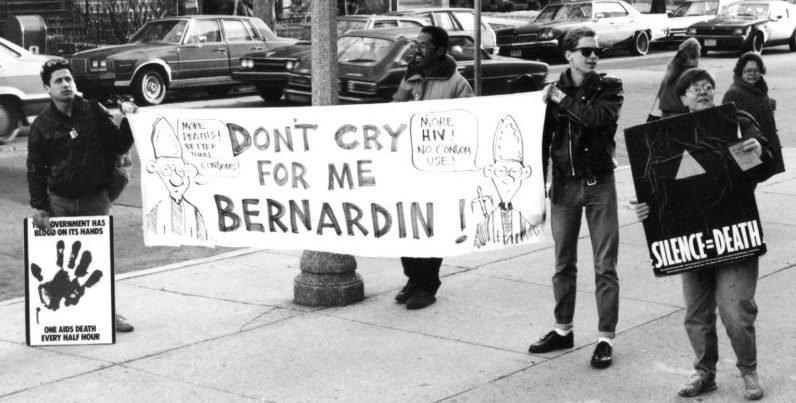
For nearly five decades, Gordon has appeared wherever Chicago’s LGBT+ community has organized, preserving its history or fighting for change. As a founding member of Dykes and Gays Against Racism and Repression, known as DAGMAR, he helped lay the groundwork for what would become ACT UP/Chicago at the height of the AIDS epidemic. He later helped organize the first openly LGBTQ+ contingent in the Bud Billiken Parade and pushed for greater LGBTQ+ visibility in communities on Chicago’s South and West Side.
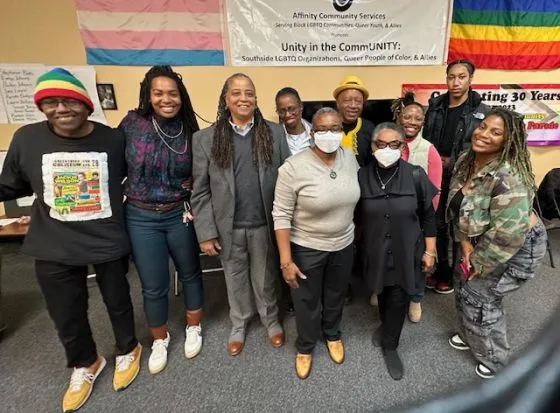 Darrell Gordon (left) at the 2023 event celebrating the 30th anniversary of the LGBTQ+ contingent of the Bud Billiken Parade. Windy City Times file photo
Today, Gordon’s passion for community building and advocacy continues. A self-described “radical queer activist of African descent,” Gordon attends senior discussion groups, community dinners and protests while sharing his passion for music history and encouraging younger generations to continue organizing.
“I’m a radical,” Gordon said. “I believe most in organizing street activism.”
This philosophy has followed Gordon through almost every chapter of his life and continues to shape where he appears next.
Struggle for liberation
Gordon’s commitment to the organization was formed when he came of age in Chicago’s LGBTQ+ community in the late 1970s. Hoping to find a community free of many societal divisions, he instead encountered racism and classism that reflected the world beyond.
“I thought the community would be less racist and classist,” Gordon recalled. “I had a rude awakening.”
Growing up in Lawndale and later settling in Garfield Park and Austin, Gordon was influenced by the Civil Rights Movement, Black Power activists and figures such as Malcolm X. This influence drew him to mass organizing and ultimately to anarchist politics. Rather than putting faith in political institutions, Gordon said long-term social change comes from people coming together.
This philosophy shaped almost every chapter of Gordon’s activism.
He co-founded DAGMAR, a group that fought racism in Chicago’s LGBTQ+ community. As the AIDS epidemic deepened, the organization evolved into Chicago AIDS Rights and eventually ACT UP/Chicago, with Gordon remaining involved in each transformation.
At the height of the AIDS crisis, Gordon joined demonstrations demanding better care for people living with HIV. Among them was a protest that helped pressure Cook County Hospital to increase the number of beds for AIDS patients. He also protested proposals for mandatory HIV testing supported by then-Gov. Jim Thompson and pushed for better dissemination of HIV prevention information on CTA buses.
Gordon said he had no choice but to take action. He also lost friends during the epidemic, an experience he said reinforced both the urgency of the movement and the fragility of life.
“I think people’s lives were on the line,” he said. “People’s lives were at stake.”
For Gordon, AIDS activism was never separate from the broader fight he had been organizing for years.
“I just think all of these issues are connected in some way,” he said. “If you can’t reach one part of society, you can’t reach the rest.”
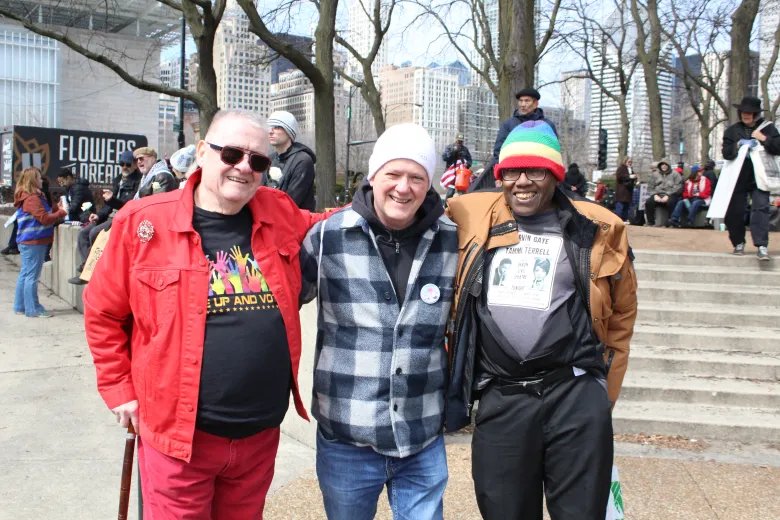 Darrell Gordon (right) at a No Kings rally in Chicago on March 28, 2026. Photo by Jake Wittich.
Expanding what the LGBTQ+ community looks like
Gordon’s belief that liberation is interconnected also shaped his view of Chicago’s LGBTQ+ community. While much of Chicago’s LGBTQ+ life has long been centered on the North Side, Gordon has spent decades advocating for greater visibility for LGBTQ+ people in black communities in the South and West.
“Sometimes I come to these events to present a radical point of view,” Gordon said. “And sometimes… from a geographical point of view, because I’m not a northerner.”
This perspective influenced Gordon’s efforts to make Chicago’s LGBTQ+ people visible in places where they were often overlooked. In 1993, he helped organize the first openly LGBTQ+ contingent in Chicago’s Bud Billiken Parade, one of the nation’s largest celebrations of black culture. After organizers initially rejected the group’s application, public pressure led to the decision being overturned, allowing the contingent to participate in the parade openly.
“I thought it was a great achievement for us openly gay and lesbian people at the time,” Gordon said. “Being in the crowd and waving to the community at that time was very powerful.”
Two years later, Gordon helped organize the LGBTQ+ contingent at the African Liberation Day parade on Chicago’s West Side. Participation was less than he had hoped, but the goal remained the same: to demonstrate that LGBTQ+ people are a part of every neighborhood and every community.
“I think it showed that we’re all over the place,” Gordon said. “We’re not all focused on the North Side.”
Saving history
After decades spent leading change, Gordon is also dedicated to preserving the stories that have shaped Chicago’s LGBTQ+ community.
This work goes beyond activism. Gordon, an avid music enthusiast, has spent years collecting vintage radio recordings and researching the history of rhythm and blues, especially the contributions of Black and LGBTQ+ artists.
“I think it’s important … to hear what the news reports were like and what the music was like,” Gordon said. “Part of it is about life at that time.”
That same commitment defines Gordon’s involvement in Chicago’s LGBTQ+ community today. The Pride Month events Gordon pursued—from the celebration of the first Chicago Pride march to the “Right to Assemble” exhibit—reflected his desire to educate younger generations about the history of the movement.
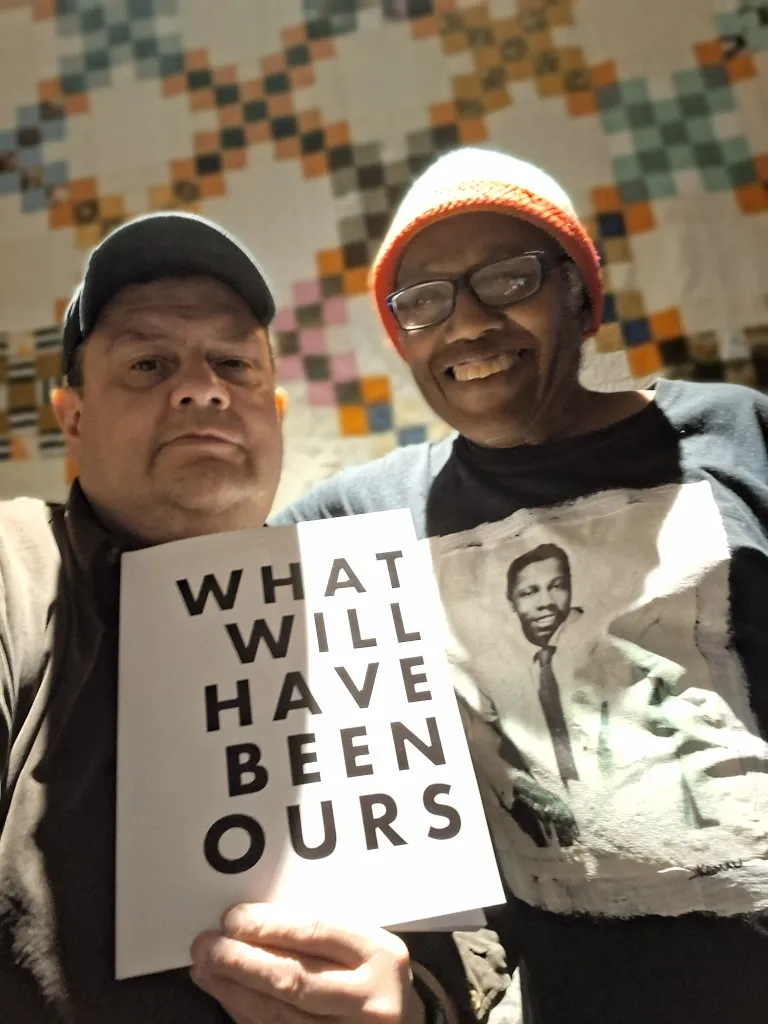 Robert Castillo and Darrell Gordon at the opening of the Right to Assembly gallery on June 6, 2026. Photo courtesy of Castillo
Gordon fears that the history of the movement could be lost if those stories are not intentionally passed down from generation to generation. He remains particularly concerned about efforts to limit what students learn in schools and believes conversations between older and younger LGBTQ+ people are more important than ever.
“I think this needs to be a serious dialogue,” Gordon said. “The community has to do this together.”
For Gordon, preserving history is not about nostalgia, but about preparing the next generation to continue moving forward.
“Be proactive,” Gordon said. “Be active, find allies and find community.”
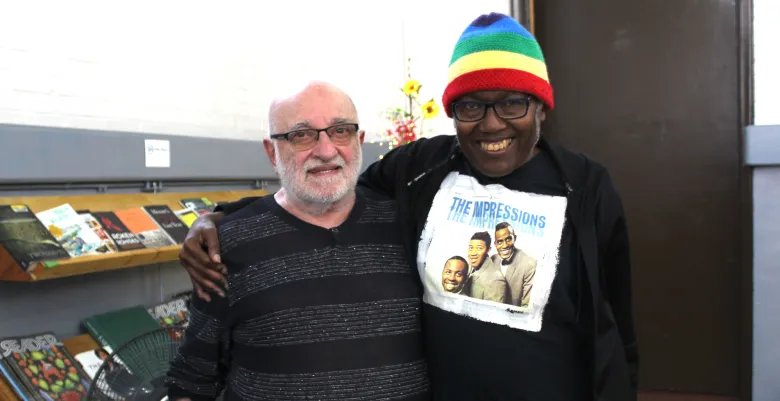 Tom Lembo and Darrell Gordon. Photo by Jake Wittich