
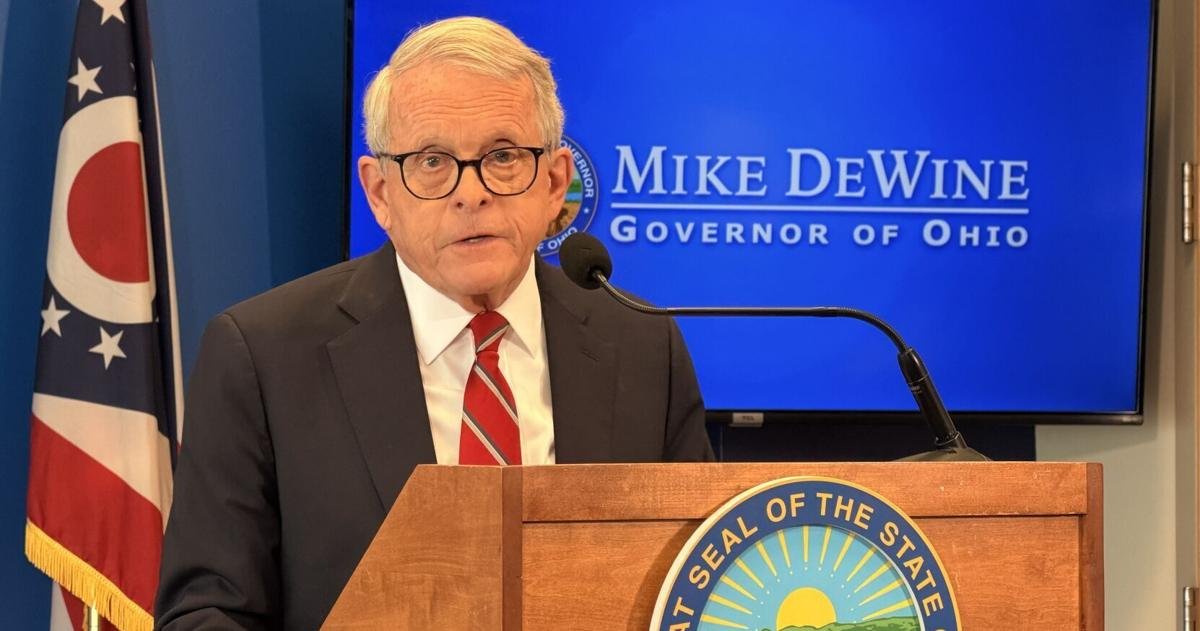
Gov. Mike DeWine signed a bill that includes new rules for some Medicaid providers. AVERY CREAMER / STAFF
Gov. Mike DeWine signed a bill that includes new rules for some Medicaid providers, coming on the heels of lawmakers taking a closer look at alleged fraud and ways to prevent abuse in Ohio’s increasingly expensive Medicaid program.
Senate Bill 315, which first focused on converting Supplemental Nutrition Assistance Program cards to chip cards, passed lawmakers in June just after the Ohio House Finance Committee added rules for some Medicaid providers to the bill.
Critics of the bill said it could lead to delays in care, such as by requiring prior authorization for services under home and community-based waivers, or make it more difficult to find home health care providers.
Supporters of the bill say it protects taxpayer dollars through additional rules, such as requiring providers to verify certain visits and services using electronic visit verification software.
“Medicaid has long been ripe for abuse by bad actors who seek to rip off taxpayers for their own gain,” said state Rep. Josh Williams, a Sylvania Republican who co-sponsored the bill. “With the passage of SB 315, which expands the Medicaid Fraud Prevention Act (HB 795) that I introduced earlier this year, our state is finally standing up and saying no more. By passing SB 315, we are warning scammers and criminals that they will spend decades behind bars if they continue to rip off our taxpayers through Medicaid fraud – they will be found.” arrested and convicted.”
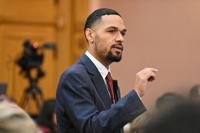
State Rep. Josh Williams, R-Sylvania Twp., who co-sponsored Senate Bill 315, which Gov. Mike DeWine recently signed into law. The bill expanded the Medicaid Fraud Prevention Act, introduced by Williams earlier this year. Courtesy of the Ohio HOUSE OF REPRESENTATIVES
House Bill 795, which included a number of Medicaid provisions added to the Senate bill, received extensive testimony from opponents, mostly regarding a controversial earlier part of the law that prohibited payments to family caregivers. This provision was deleted and not included in the provisions of SB 315.
“I oppose this bill because it addresses Medicaid waiver services primarily through suspicion, surveillance and anti-fraud, rather than the purpose for which HCBS programs were created, which is to allow people to live in our homes and participate in our communities,” said Maria Macik, a disability rights advocate from Fairborn, testifying against HB 795. Macik relies on home and community-based Medicaid services to live in her home.
“A positive step towards reducing fraud”
State Sen. Willis E. Blackshear Jr., D-Dayton, one of the sponsors of SB 315, said there has been misinformation surrounding Medicaid fraud, but he supports increased oversight to prevent fraud.
“There is significant misinformation and exaggeration about Medicaid fraud. Medicaid is an important program that millions of Ohioans rely on every day. However, as legislators, we have a responsibility to ensure that bad actors do not take advantage of this program,” Blackshear said. “The increased oversight added in Senate Bill 315 should be a positive step toward reducing fraud while ensuring people get the services they need.”
He also pointed to the bill’s original focus on moving to chip-enabled SNAP cards as another way to prevent fraud. Chip cards have payment processing microchips embedded in them that generate an encrypted code that is different for each transaction.
“The bill’s initial provisions to add chips to SNAP cards will also help reduce fraud and loss of benefits for people who rely on SNAP,” Blackshear said.
Because Medicaid provisions were added to the bill right before SB 315 passed, he said lawmakers will have to watch how it will impact providers and patients.
“Due to the expedited nature of the bill, we will need to continue to monitor the impact of this legislation on providers and recipients to ensure changes do not create unintended consequences. This is an ongoing effort as we strive to ensure people get the health care they need,” Blackshear said.
Medicaid Fraud, Waste and Abuse: Why You Hear About It and What Lawmakers Are Doing
Increasing penalties for fraud to prevent abuse
SB 315 also includes harsher penalties for Medicaid fraud as an additional deterrent, and gives investigators more resources to pursue alleged perpetrators of fraud.
“This bill gives us many tools that will allow us to better prosecute and investigate these cases,” Ohio Attorney General Andy Wilson previously told the Dayton Daily News.
More severe penalties for Medicaid fraud include:
- Medicaid fraud is a fifth-degree felony with a $1,000 fine, not a first-degree misdemeanor.
- For amounts between $1,000 and $7,500, it is a fourth-degree felony and a $5,000 fine.
- Amounts greater than $7,500 and less than $75,000 are punishable by a third-degree felony and a fine of $25,000.
- For amounts greater than $75,000 and less than $150,000, it is a third-degree felony with a presumption of imprisonment and a fine of $75,000.
- For amounts greater than $75,000 and less than $150,000, it is a third-degree felony with a presumption of imprisonment and a fine of $75,000.
- For amounts exceeding $750,000, it is a first-degree felony and a fine of $150,000.
“A more severe penalty could ultimately lead to prison time,” Wilson said.

Andy Wilson speaks to the media in his office in the Rhodes State Office Tower Monday, June 15, 2026, in Columbus. He was sworn in as the 52nd Attorney General of Ohio on Friday, June 5, 2026, in the Clark County Court of Common Pleas in Springfield. JOSEPH COOK/STAFF
The bill also specifies that Medicaid fraud constitutes corrupt activity under the Ohio Corrupt Practices Act, meaning law enforcement can prosecute connected networks of people committing Medicaid fraud as active criminal activity.
“This is just the beginning”
This bill is just the beginning of the fight against Medicaid fraud, said state Rep. Jennifer Gross, R-West Chester, chair of the Ohio House Medicaid Committee, who also praised Williams and state Rep. Tim Barhorst, R-Ft. Loramie, vice-chairman of the committee.
“While SB 315 and the Ohio Medicaid Integrity and Fraud Prevention Act represent an important step forward in in-person provider audits, strong electronic visit audits, stronger penalties for fraud, and critical oversight tools that will protect taxpayer dollars and protect services for those who truly need them, we know this is just the beginning,” Gross said.
“These bipartisan reforms make significant changes to combat waste, fraud and abuse, but we still have work to do to ensure that every dollar reaches its intended recipients and that our Medicaid program remains sustainable and accountable to all Ohioans,” she said.
State Representative Desiree Tims, D-Dayton, who sits on the Ohio House Medicaid Committee, supported passage of SB 315 and also previously helped draft legislation to combat SNAP fraud.
“I support and am very pleased that this bill has passed. I introduced legislation to combat SNAP fraud. And it takes too long for people to receive their benefits or have their benefits suspended quickly after they are victims of theft,” Tims said.
Acton, Ramaswamy vow to fight Medicaid fraud as governor