
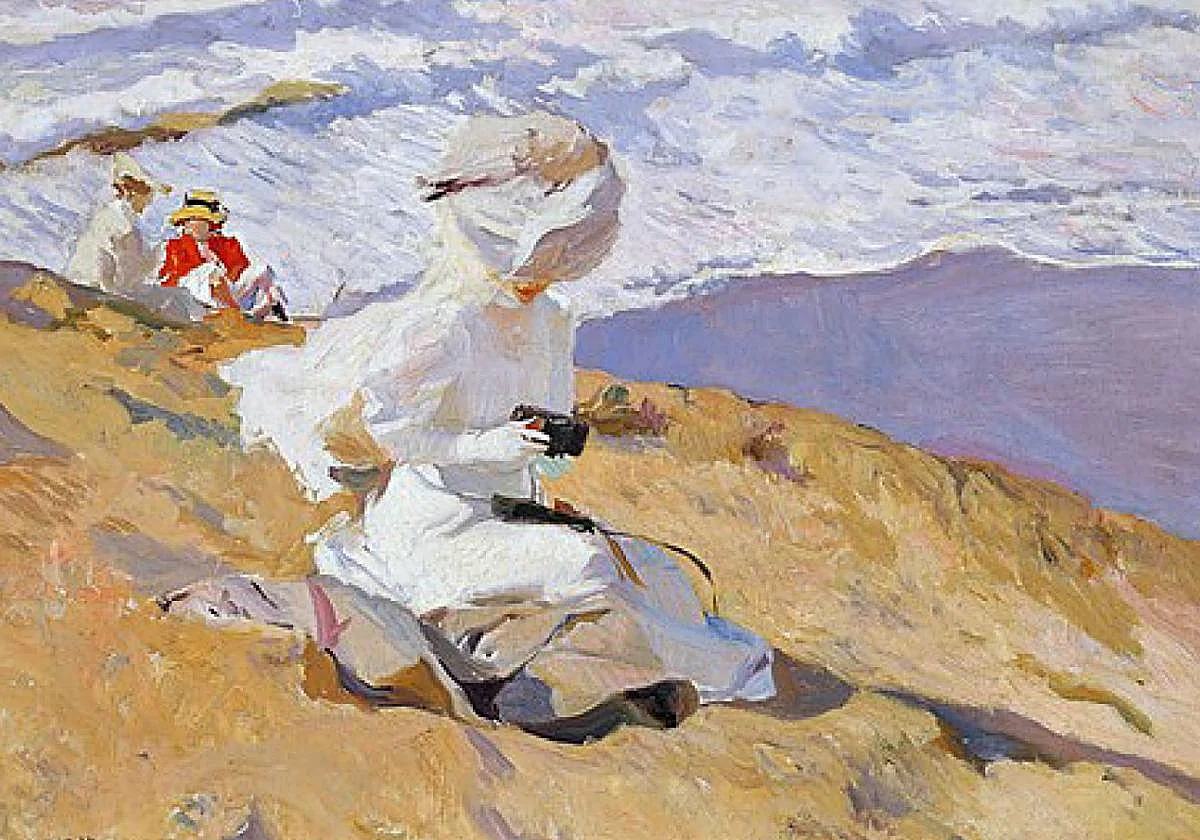
Last week, a resident of Murcia, walking around Seville, found a painting by Joaquín Sorolla next to a garbage container. I don’t know … He focused not on the painting – a small scene on the beach with two boats – but on the frame, which he liked and decided to take home. There, in his hideout, after consulting with the artificial intelligence, he discovered that it was a genuine job, and later that the family had mistakenly abandoned it. He decided to return it and, in doing so, avoid the complex legal and financial framework surrounding this type of property.
Although it may seem otherwise, works of art are not always subject to the same tax treatment as jewelry or luxury cars. In fact, sometimes they may even be exempt from paying wealth taxes. The key is the type of work, its administrative protection and its use.
Provincial rules state that, as a general rule, paintings, sculptures, antiques and other works of art must be declared when the owner is required to pay property taxes, counting their value along with the rest of the property.
However, the law reserves a privileged regime for those items that are part of the historical heritage or are under special cultural protection. The goal is to promote its preservation and permanent residence in private hands, without allowing tax burdens to encourage its sale or removal from the country. Added to this is another feature.
Works of art created by the artist himself, while they are in his estate, are also exempt from declaration to the treasury.