

TLDR
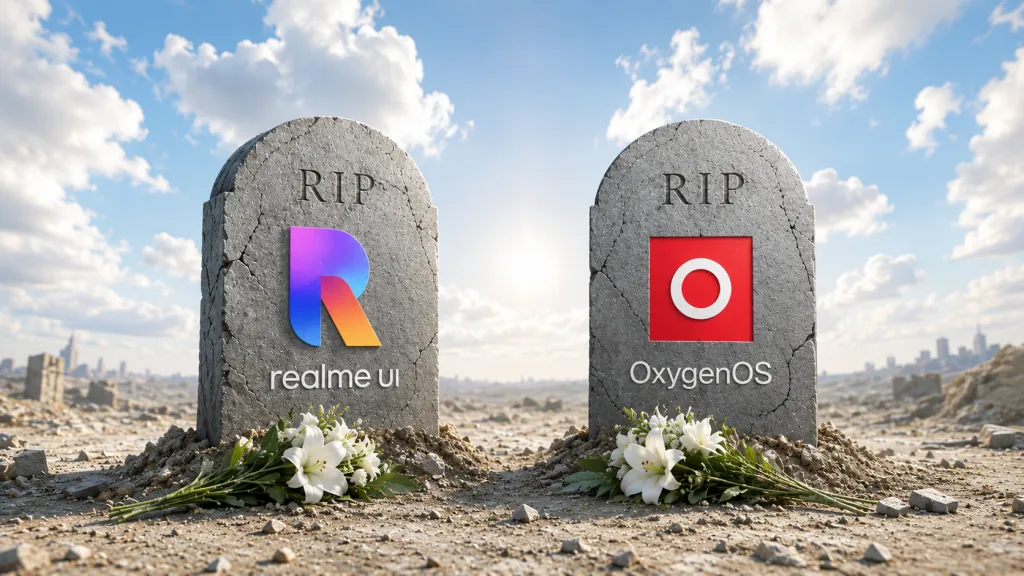
- OxygenOS and Realme UI are being discontinued permanently to cut down on research and development costs.
- All future OnePlus and Realme devices will exclusively run OPPO ColorOS worldwide.
- OnePlus will focus only on India and China, joining support networks with OPPO.
For years, the illusion of choice has driven much of the Android market. OPPO, OnePlus and Realme may have shared a common corporate DNA under the BBK Electronics banner, but they operated fiercely independent brands, each boasting unique software and distinct fan bases. But this will end soon.
According to a very reliable and experienced industry insider, OPPO has begun a massive consolidation of its smartphone business. As part of this aggressive restructuring, OnePlus and Realme are being fully merged into the core OPPO brand. The group’s next big move is software rather than hardware: one Android skin for three brands, no exceptions. This means installing ColorOS on all smartphones.
ALSO READ: Nothing to launch a special edition RCB (4b) phone on July 7th.
Here’s what your next OnePlus and Realme phone will look like.
Redrawing the global map
Our insider confirms: OxygenOS and Realme UI support ends on future devices in favor of ColorOS (review) worldwide. OnePlus is narrowing its focus to its two largest markets – India and China. Realme is winding down its business in China to fully focus on markets outside of China. After-sales support for OnePlus in India is already included in the OPPO service network.
This physical consolidation has already begun. In India, a key battleground, OnePlus has fully integrated its after-sales support with OPPO’s huge existing service center network. The OnePlus standalone repair shop is slowly becoming a thing of the past.
ALSO READ: OxygenOS 16 vs ColorOS 16: closer than ever, but not the same
Software guillotine
Maintaining three different Android skins – ColorOS, OxygenOS and Realme UI requires a huge amount of capital, time and software development. To actively reduce research and development costs, OPPO has decided to completely abandon OxygenOS and Realme UI.
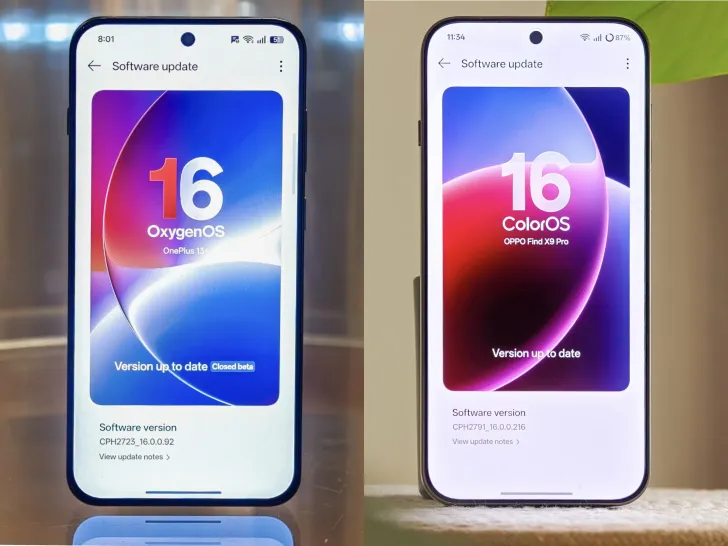
None of this comes out of nowhere. This is the logical end point of OPPO’s plan set in motion in 2021, when OnePlus founder and OPPO Chief Product Officer Pete Lau announced that OnePlus and OPPO would merge their software codebases, aiming to combine the speed of OxygenOS with the depth of ColorOS.
ALSO READ: OnePlus N6 review: 6 things I like and 4 things I’d like to improve
The bottom line over the past five years is that ColorOS has absorbed most of the engineering investment. OnePlus made an almost identical move domestically a few years ago, ditching HydrogenOS, its Chinese counterpart OxygenOS, in favor of ColorOS at home. What began as an experiment in China alone is reported to soon become a global default.

Bitter pill for OnePlus loyalists
Although Realme users can easily adapt to ColorOS considering how heavily Realme UI is already based on it. This news will be a gut punch for OnePlus loyalists.
Since the launch of the iconic OnePlus One, the brand’s identity has been about more than just cutting-edge features and aggressive pricing. It was built on OxygenOS. For years, OxygenOS has been considered the gold standard for Android software, a lightning-fast, bloat-free and highly customizable skin aimed squarely at tech enthusiasts.
ALSO READ: Apple May Ditch M6 Pro and Max Chips, Keep Major MacBook Pro Redesign for 2027
While the latest versions of OxygenOS have admittedly started to blur the lines with ColorOS under the hood, maintaining the name and specific UI tweaks has kept the brand’s independent spirit alive. By going software-free, OPPO isn’t just cutting down on R&D costs; it robs OnePlus of the soul that made it a household name.
The software behind the Flagship Killer has run its course. It was one hell of a ride!
You can follow Smartprix on TwitterFacebook, Instagram and Google News. Visit smartprix.com for the latest technology and automotive news, reviews and guides.