

CNN Spain —
Adelis Ferro and the Venezuelan American Alliance, the non-governmental organization of which she is the founder and executive director, receive messages daily from thousands of Venezuelans living in the United States. Last month, the greatest concern was the fate of Temporary Protected Status (TPS) and with it the future of these immigrants in the United States.
However, the concerns now are multiple. Not only is TPS virtually unable to continue following the recent U.S. Supreme Court decision, but Venezuelans are dealing with tragedy from afar after the earthquakes that hit Venezuela last Wednesday and have few options for support.
Ferro said in an interview with CNN that the Venezuelan community in the US – thousands of them TPS beneficiaries, both current and former – are still “in a state of shock, despair, uncertainty, sadness, mourning” due to the earthquakes, with the numbers of dead, injured, missing and injured people being updated every day.
“Now, with the new Supreme Court decision regarding Haiti’s TPS, which ultimately affects all communities with TPS (…), the truth is that we are experiencing one of the most difficult moments that the Venezuelan immigrant community has experienced in the United States,” he added.
Members of the Venezuelan community in the United States also made their voices heard. Immigrant Daniel Troconis asked TPS to return, not even for political reasons, but because his country of origin had become a “natural disaster” area due to earthquakes, which US law lists as one of the reasons why a country can be included in the humanitarian Temporary Protected Status program.
“This is a disaster that we can’t even imagine with so many deaths in our Venezuela,” Troconis, who lives in Florida, one of the places with the largest Venezuelan population in the US, told CNN.
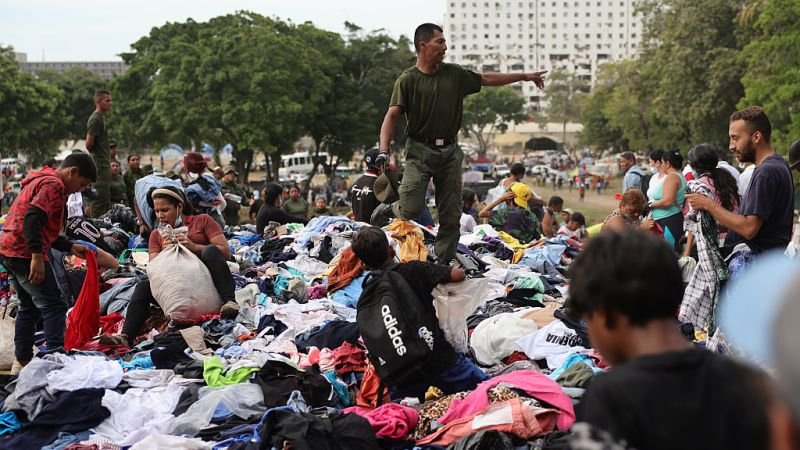
As of this Wednesday, officials said the quakes had killed 2,295 people and injured more than 11,000, along with hundreds of collapsed or damaged structures (some external reports indicate that as many as 60,000 buildings may be damaged). This does not include indirect victims, family members and loved ones who have experienced difficulties obtaining water and food, living in temporary or makeshift shelters, and in some cases, continuing to search for missing people.
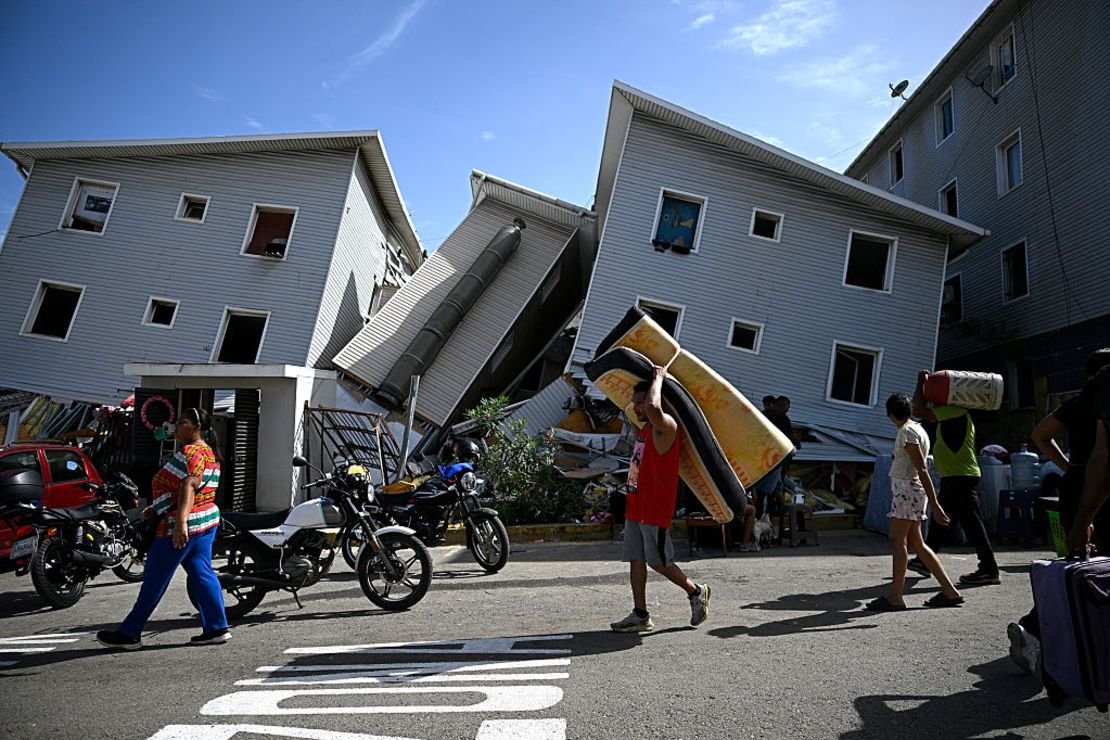
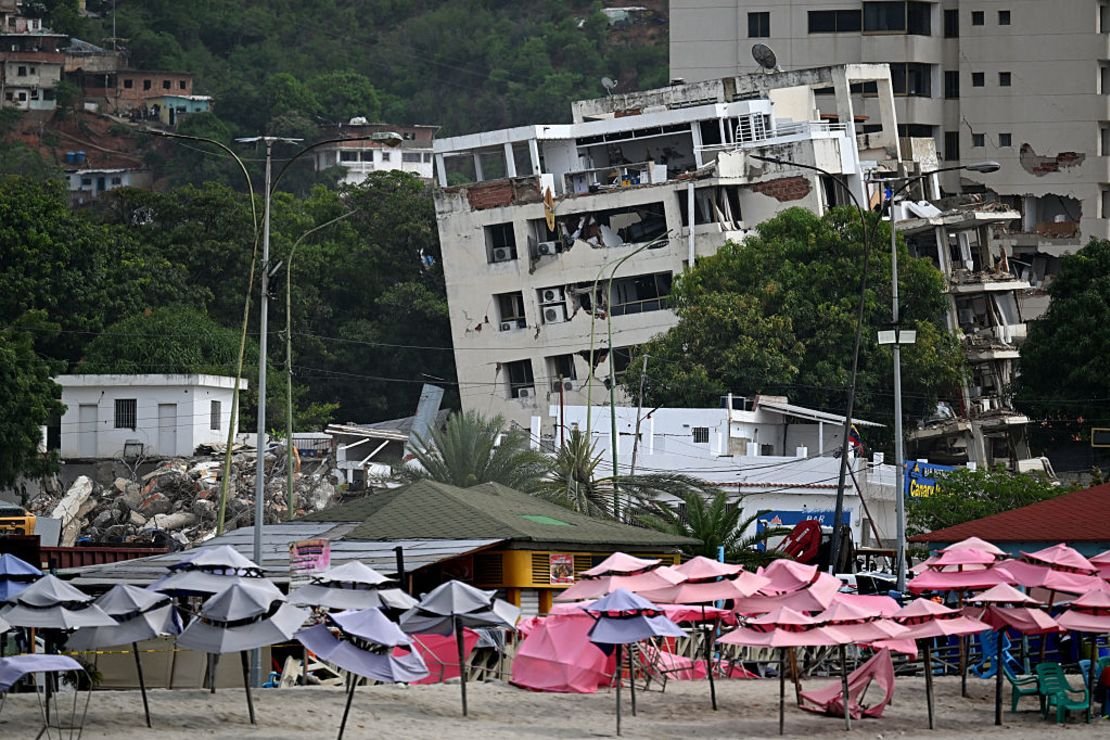
The earthquakes and the TPS decision, which occurred just one day apart, make this “the worst human moment for Venezuelans in the United States,” Ferro said.
Ferro, a Venezuelan with U.S. citizenship who has been on TPS’s first line of defense since Donald Trump’s return to the White House, said that in these times of crisis, temporary protected status will be of paramount importance because it will protect Venezuelans in the U.S. from deportation, enable them to obtain formal employment and therefore facilitate the flow of support to those affected in Venezuela through remittances.
“If you give them this legal status (Venezuelans), you will allow them to get a work permit again so they can work legally. Remittances to Venezuela will continue to flow at a time when it is most important, most important and most critical to try to help, even in a small way, the economic problem that has just worsened in Venezuela due to two earthquakes,” he explained.
Venezuelans in the United States have found ways to help from a distance, such as coming together to collect food and other essentials for thousands of victims in Venezuela. Troconis noted that the aid went even further, forcing “countries like Cuba, the Dominican Republic, Colombia, the Americans themselves” to join in the aid from cities like Miami.
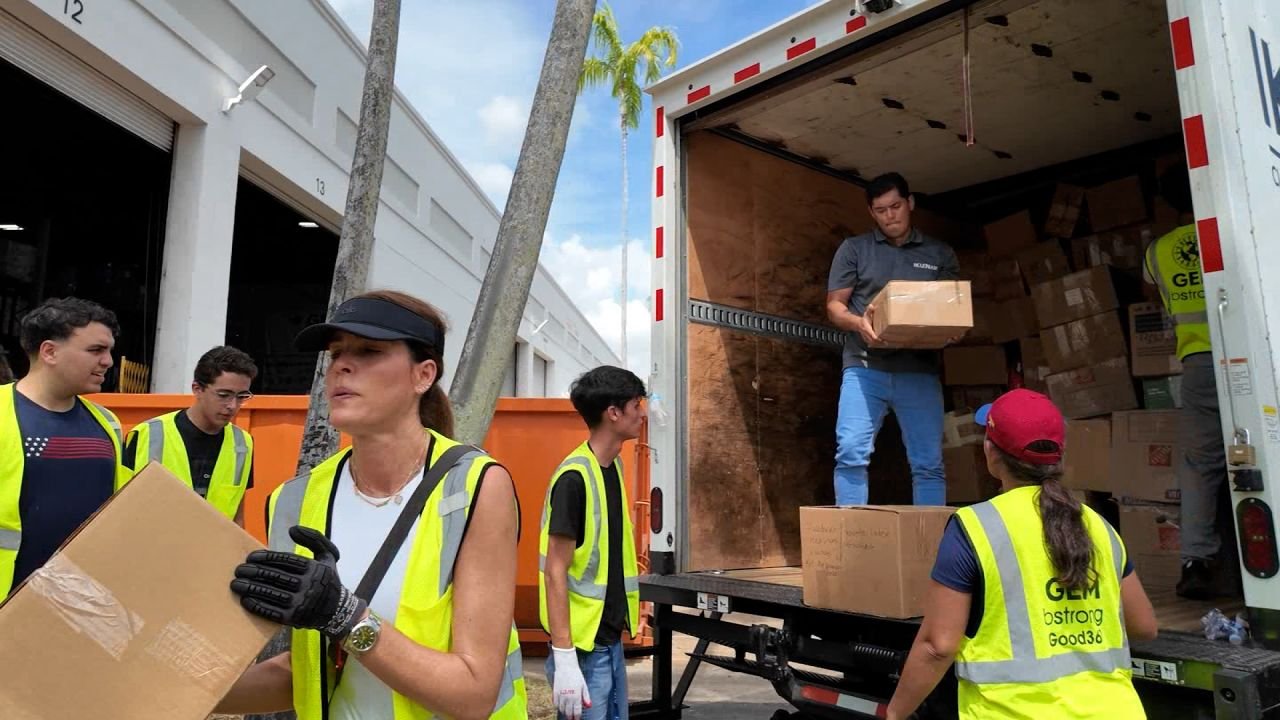
From Surfside to La Guaira: this is how Miami supports Venezuela after deadly earthquakes
From Surfside to La Guaira: this is how Miami supports Venezuela after deadly earthquakes
02:34
But by reintroducing TPS to Venezuelan immigrants, financial assistance would flow more directly to families and friends in Venezuela. Having protection from deportation and a work permit not only reduces the fear of going out on the streets, but also increases remittances for those inside Venezuela.
Ferro is a realist, however, and mentions that it would be almost a “miracle” if TPS were to return soon, as a recent US Supreme Court decision “essentially tells us that decisions made by the Department of Homeland Security (DHS) are absolute and that they will not be able to be argued in federal court in the United States.”
The Supreme Court’s decision applies to the TPS case for Haiti and Syria, but affects all definitions of this temporary immigration status. Thus, terminating TPS status, as the Trump administration has done repeatedly since January 2025, remains entirely at the discretion of DHS following a ruling by the nation’s highest court.
As a result, more than 1 million people are at risk of being deported and unable to legally work. Of this total, approximately 600,000 are Venezuelans who received TPS protection in previous lists (2021 and 2023, respectively). Some Venezuelans have TPS protection until October, but for others these benefits have already been cancelled.
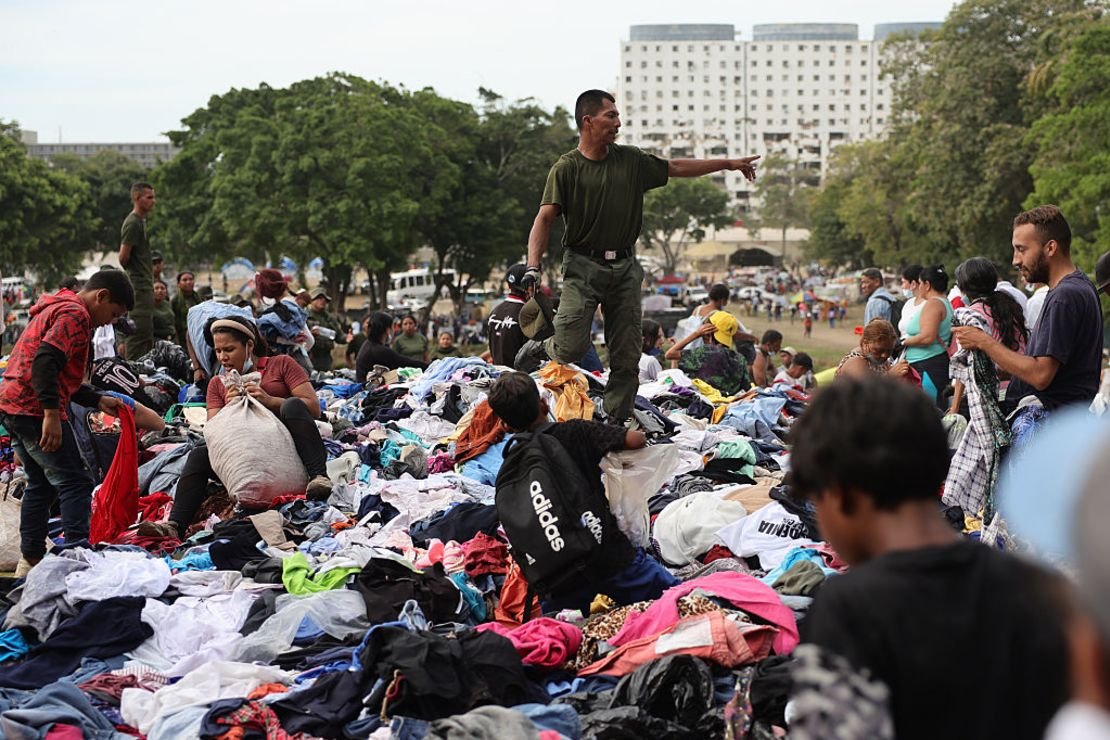
Ferro stated that they are asking the Venezuelan American Caucus and allied organizations to reinstate TPS for Venezuelans already present in the United States and to extend it for Venezuelans who were already previously beneficiaries of TPS.
A TPS typically lasts for 18 months and can be renewed for a longer period after this period. According to Ferro, in order for Venezuelans to help Venezuela from the United States, they are asking that the new thermal power plant last less, even six months.
“We are not asking for anything extraordinary other than this,” added the director of the Venezuelan American Caucus.
Ferro and the Venezuelan community in the US are not alone in their calls to restore and renew TPS. US congressmen have already repeated these demands.
In a letter addressed to President Trump and Secretary of State Marco Rubio, representatives and senators from the Congressional Hispanic Caucus asked the U.S. government to stop the deportation of Venezuelans and restore TPS to protect those present in the country as Venezuela endures a natural disaster due to last week’s earthquakes.
“Given the current state of devastation in the country, we call on your administration to halt deportations to Venezuela and extend and rename Temporary Protected Status for Venezuelans already in the United States. Clearly, expulsion to a country that is experiencing an active disaster is unsustainable,” the congressmen wrote to Trump and Rubio the day after the earthquakes.
CNN contacted the US government to see if it intends to rename and extend TPS for Venezuela after the earthquakes. The State Department referred any response on this issue to DHS. Meanwhile, DHS has not yet responded.
Likewise, the request not to deport Venezuelans comes amid news that the US deported Venezuelans on the same day as the earthquakes. The deportees were placed in Venezuela in a hotel that collapsed due to the earthquake. A DHS spokesperson responded that Immigration and Customs Enforcement (ICE) was no longer responsible for deportees when the earthquakes occurred.
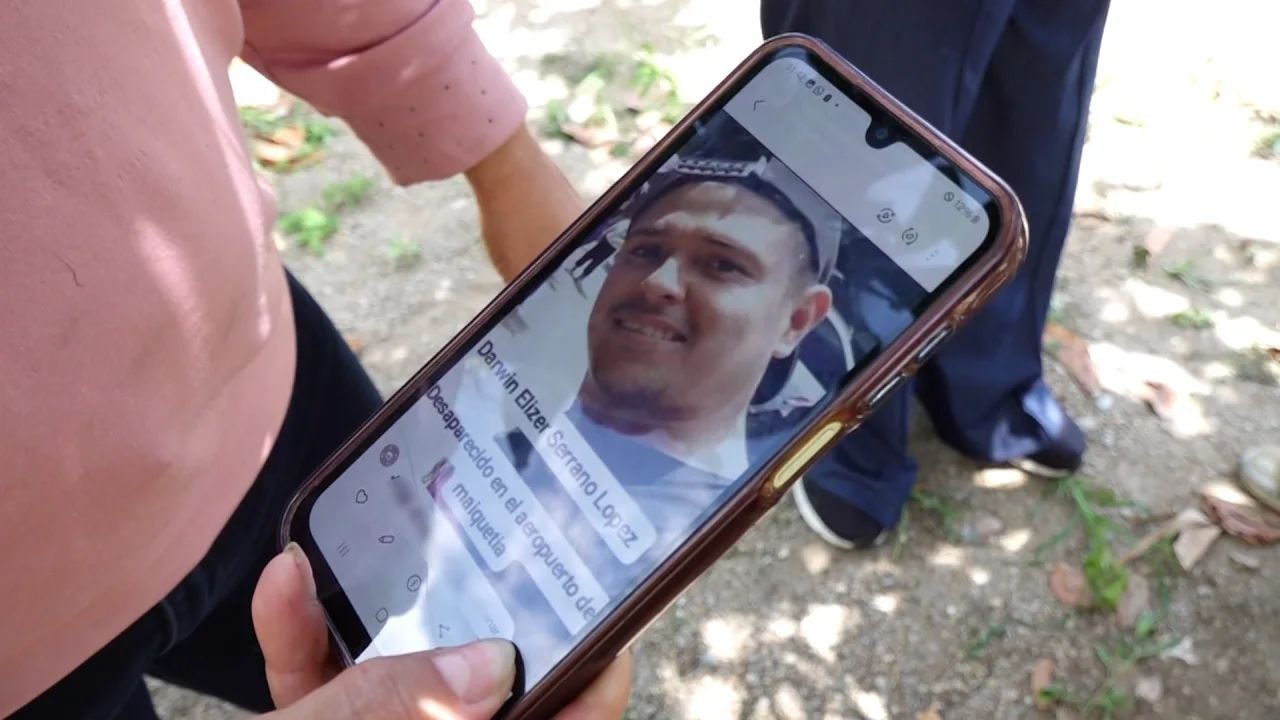
“Help save the body”: relatives ask for information about Venezuelans deported after the hotel collapse
“Help save the body”: relatives ask for information about Venezuelans deported after the hotel collapse
01:17
In the past, the US has identified countries for thermal power plants after earthquakes. US law states that a country may be included in this humanitarian temporary protection program if “the State has experienced an earthquake, flood, drought, epidemic or other environmental disaster that results in a significant, albeit temporary, change in living conditions in the affected area.”
“We must reach out to the hearts of the leaders and see that we are good people. We are good people who, in addition, contribute a lot to the development of the country, and we do it with a lot of love and a lot of enthusiasm. I hope that we can create such a TPS for all Venezuelans, because this is truly a tragedy that we did not expect,” asked Venezuelan Daniel Troconis. The TPS community has proven to be an important part of the American economy, generating billions of dollars.
Texas Rep. Sylvia Garcia said Tuesday that she called on “the President to immediately restore temporary protected status to Venezuela” in a new letter to Trump and DHS Secretary Markwayne Mullin.
“The destruction in Venezuela is enormous. TPS was created for such cases (…) Venezuelans cannot return home safely and cannot afford to wait,” wrote Garcia, who is also part of the leadership of the Latino Caucus in Congress.
Ferro agreed with Garcia and confirmed that Venezuelans cannot return home safely, both because of the earthquakes and the political, economic and social crisis that Venezuela is experiencing.
“For a year and a half, we have said in all areas, in the courts, in Congress, in the streets, in public meetings, in the media, that Venezuelans do not have a safe country to return to, and that is why they should not take away temporary protection from TPP. Conditions in Venezuela have not changed, they have only gotten worse, unfortunately (…) nature has given us an even more compelling reason” to ensure this, Ferro concluded.