
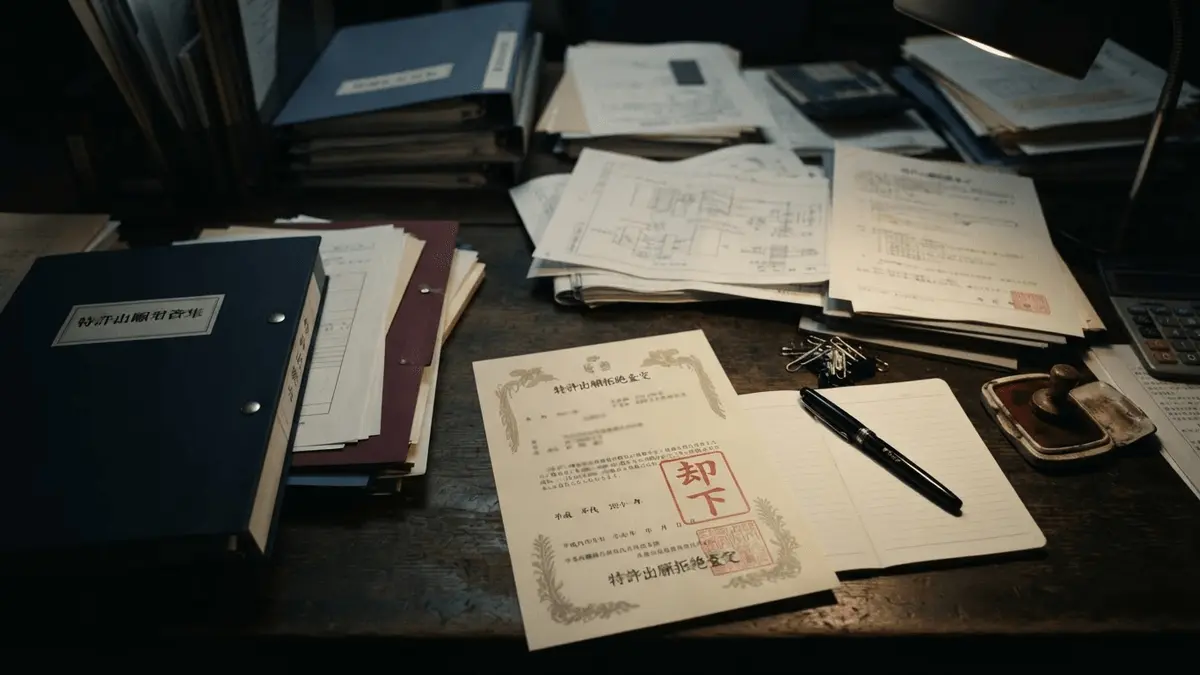
Japan Patent Office rejected Nintendo patent application 2024-031879 – filing an application that is structurally between two patents currently being challenged. Pocket pair V Tokyo District Court – due to the lack of an inventive step with reference to the prior art from games, including ARK, Monster Hunter 4, Craftopia, Kantai CollectionAnd Pokemon GO on its own, as reported Techdirt.
Here’s the context: When Nintendo And Pokemon Company filed a lawsuit for infringement of Japanese patents against Pocket pair – creators Palworld – The industry had widely expected that a copyright or trademark case would be brought against the game’s creature designs. Instead, a patent lawsuit appeared that targeted a specific game mechanic: capturing creatures with a thrown object and moving between riding creatures or objects in the open world. This mechanic has obvious antecedents from decades of gaming, which is what made the claim moot to begin with.
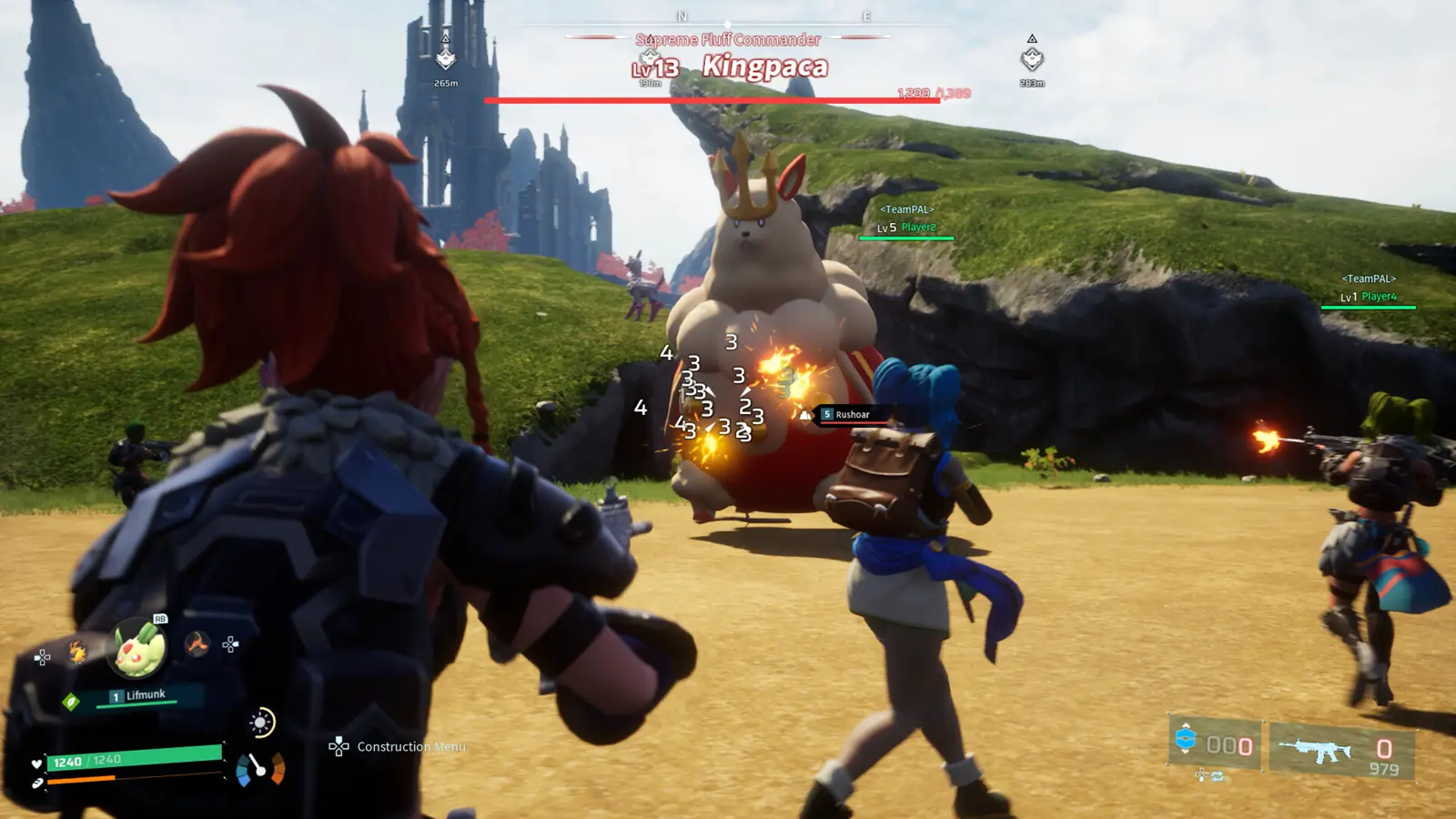
Rejected application 2024-031879is not a peripheral file. According to Techdirt’s post, it comes from JP7505852 – one of the patents already issued and filed in court – although this is a related branch, JP7545191also used in proceedings before the Tokyo District Court. The rejected application sits between two issued Nintendo patents in the “monster capture” family, making the JPO’s arguments more than a little procedurally awkward for Nintendo’s case.
Logic JPO used to reject 2024-031879 – that the claimed mechanics do not involve an inventive step in the light of existing games – one can turn to the two already issued patents that form the basis of the claim. If the office found that a structurally related application did not pass the originality test, the immediate question arises as to whether the siblings should have passed it as well. Pocket pair is also actively developing its prototype, correcting some controversial mechanics from Palworld while providing prior art evidence from other games and mods to support patent invalidation arguments.
Honestly, The JPO failure is the kind of development that has implications not only for this particular case, but also for how the industry thinks about future game mechanic patents. Cited prior art, including Pokemon GO itself—makes Nintendo’s position seem less like a defense of genuine innovation and more like an attempt to retroactively distance itself from agreements that the industry has collectively reached. The parent-parent structure of the patent family means that this failure does not remain isolated; this becomes an argument in challenging the validity of the very patents that gave rise to the lawsuit. Nintendo is still fighting, but each rejection narrows its room for maneuver.
It’s also worth noting a broader point Nintendo operates in ., and the author has seen no evidence that the Pokémon franchise is suddenly suffering a loss of revenue or value. The business case for continuing the patent campaign may become more difficult to defend with each subsequent JPO lawsuit against Nintendo’s applications.
What remains unclear is whether Nintendo will attempt to amend a rejected application or file an administrative appeal with the JPO. Nintendo may attempt to amend a rejected application or appeal the decision. The JPO’s prior art reasoning may be relevant to the arguments against the two granted patents in litigation; The third patent in the lawsuit, which was previously reported to have already been changed mid-trial, adds another variable to the increasingly complex picture.
What to see: Nintendo’s response to the JPO—whether it appeals, amends, or upholds the denial—will indicate what steps it plans to take on the patent family. and the prior art now known makes these problems more convincing. The Palworld case has become something of an industry barometer for whether game mechanics can be seriously patented; how it is resolved will go far beyond any company involved.
Do you think the JPO’s failure signals that Nintendo’s patent strategy was fundamentally flawed from the start, or is it just one procedural setback in a case that has yet to be tried? And if these patents are ultimately found to be invalid, what should that mean for how studios will approach intellectual property related to gameplay mechanics in the future? Let us know what you read in the comments.