

“I am convinced that Seixas will win the Tour… but not this year.”
Video credit: Eurosport
Just imagine. Get on your bike in temperatures over 35 degrees in the middle of the day, climb up the Savoie Pass mid-hill on the southern slopes, completely blanched by the heat of the rock, and, as if that wasn’t enough, put on a raincoat at the bottom of the climb to ensure you’re simmering and sweating. This is one of the methods used by St-Michel-Preference Home-Auber 93 runner Simon Guglielmi to conduct his training. heat traininga new process of adaptation to extreme temperatures.
Increase the heat to better tolerate it. Here’s an ultra-simplified definition of this new practice. On his own initiative, together with his staff, Simon Guglielmi has developed a special protocol for preparing for the French Championships, which will take place in La Tour-du-Pin on June 28: “My trainer read research on what I can do at home: I have a bathtub so I can take hot baths, he describes. I did at least four activities a week: either baths or outings in the heat.“
These baths cannot be compared with those that mere mortals take after a hard day of work. No, nothing special. “First I filled the bathtub at 42 degrees. You walk in, it burns your feethe slides. I didn’t last more than 25 minutes because I couldn’t last a second longer. I didn’t feel bad, but I definitely didn’t feel well. When I started taking a bath, my heart rate was 50 beats per minute, when I finished it it was 170 beats. So, this really hits the mark.“
Lost more than a kilogram in 20 minutes
This method is reminiscent of cutting used in martial arts to lose weight in a very short time: “I weighed myself before and after to see. Indeed, I was shocked by the resultshe admits. In 20 minutes I managed to lose 1.2 kilograms, or rather 1.2 liters of water, through sweat.”
But the logic is not the same as that of fighters; cyclists do not want to lose weight, but to acclimatize, and at the same time they will rush to replenish their water reserves. “Even after that, I sweated for another half hour.adds the runner from Saint-Michel. It was unpleasant. During the day I drank more than 2.5 liters.“
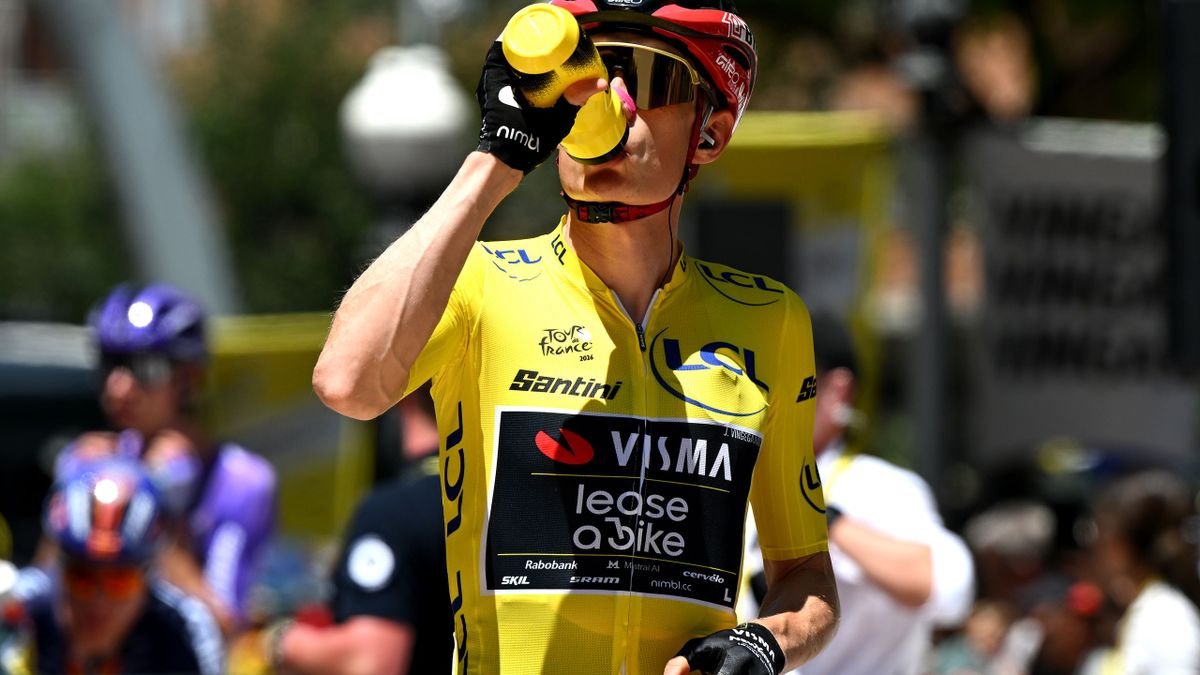
Heat stress index, refueling, schedule… how the Tour adapts to the heat
Video credit: Eurosport
Resistance to rising mercury levels is primarily measured by the runner’s sensations, so it is difficult to quantify. But this practice also brings physiological benefits. “The blood vessels on the surface dilate slightly less, which increases blood flow to the muscles and aids performance in the stages.“, Rory Nolan, team doctor for Uno-X Mobility, explained to AFP as his riders conducted training during the 2025 Tour de France. This obviously helps increase plasma volume and therefore improves the efficiency of blood circulation to deliver more oxygen to the muscles.
The protocol is evolving at a rapid pace, with dozens of videos circulating on social media of cyclists pedaling their home exercise machines in astronaut-worthy suits, veritable pressure cookers. The method the TotalEnergies team used to prepare for the 2026 season in the dead of winter. With just one click of a search engine, dozens of heat training suggestions are available to you. Beware of the pitfalls, and above all, pushing your body is far from easy, it is important to be supervised.
But while pushing the boundaries, are there still red lines that shouldn’t be crossed? “When I put my K-Way on the Col de la Chambotte, I said to myself: “Well, I don’t even know how I got there, maybe it’s a little overkill.”– admits the 29-year-old runner. Cycling to enjoy the scenery is no longer fun. We have almost reached the stage where we are a bit like robots, lab rats. Be careful, I love all this optimization. But sometimes it’s true that I find it a little over the top.“
We can’t wait for someone to die from the heat.
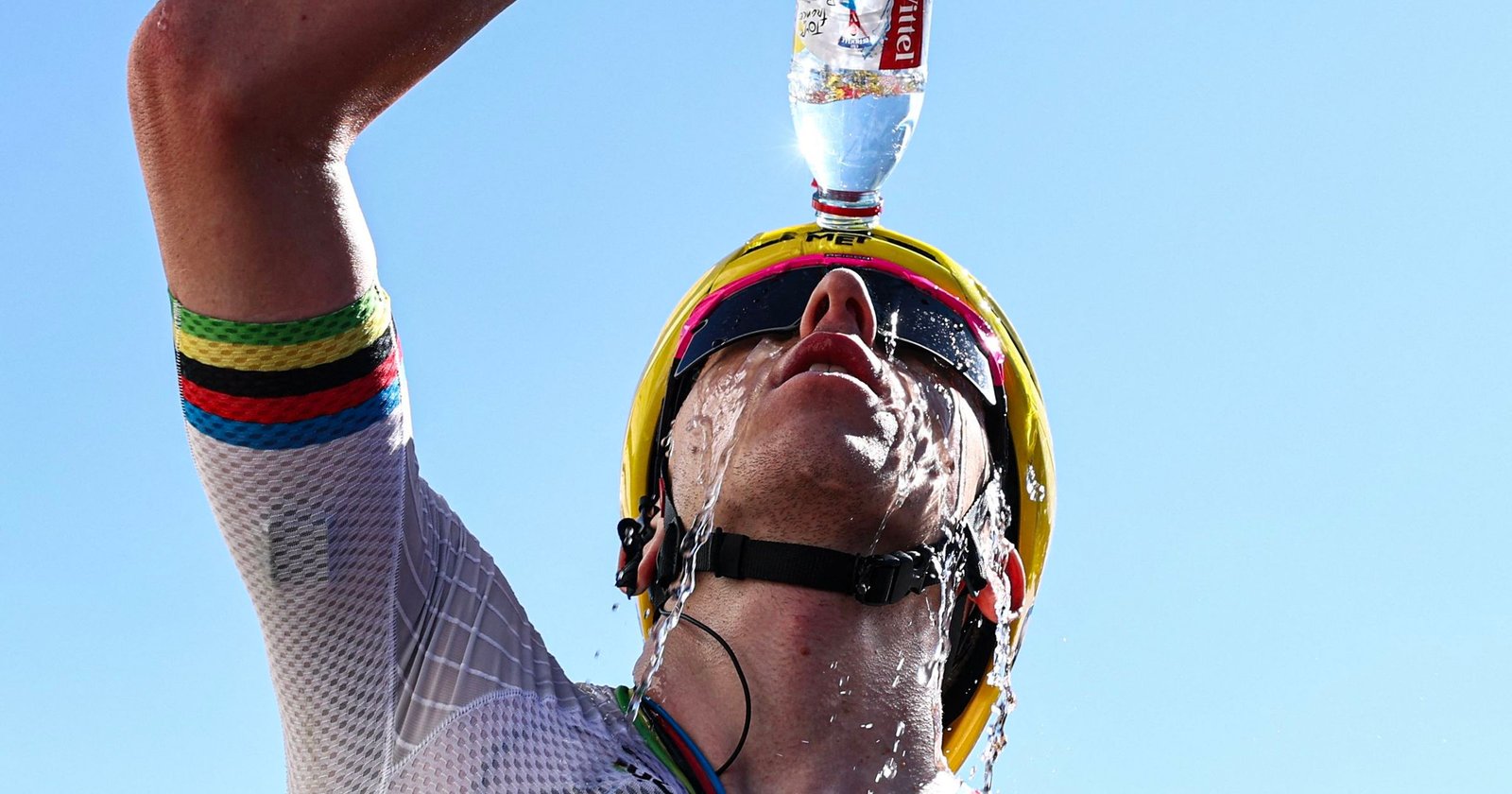
Riders were hit hard by unprecedented heat at the Tour de France this July. And big names in the peloton are starting to raise their voices, such as its main standard-bearer Tadej Pogačar, who raised the topic on the eve of the rest day at a press conference.
“If I had the power, I would change all the calendars.put on a yellow T-shirt. I wouldn’t do races in July and August in warm places. I would make a completely different schedule, but this really needs to be thought through and it’s not up to me.“. Simon Guglielmi shares the Slovenian’s point of view.”You don’t have to wait until there’s actually an accident or the guy dies from the heat, Chamberian warns. You can’t wait for it to show up to make a difference. You also have to be a little human.“
The world of cycling is facing a serious and unprecedented challenge. Riders are increasingly wondering, Savoie is also hoping for a revision of the calendar, even if the historical timing of the Grand Tours may be a brake on change. “There are a lot of historical things that are turned upside down because we also have to live with the times.”– he concludes. For now, this increasingly popular heat training method allows you to live, and possibly survive, in your time. In the future, runners will undoubtedly not have to stand alone during this critical time.