

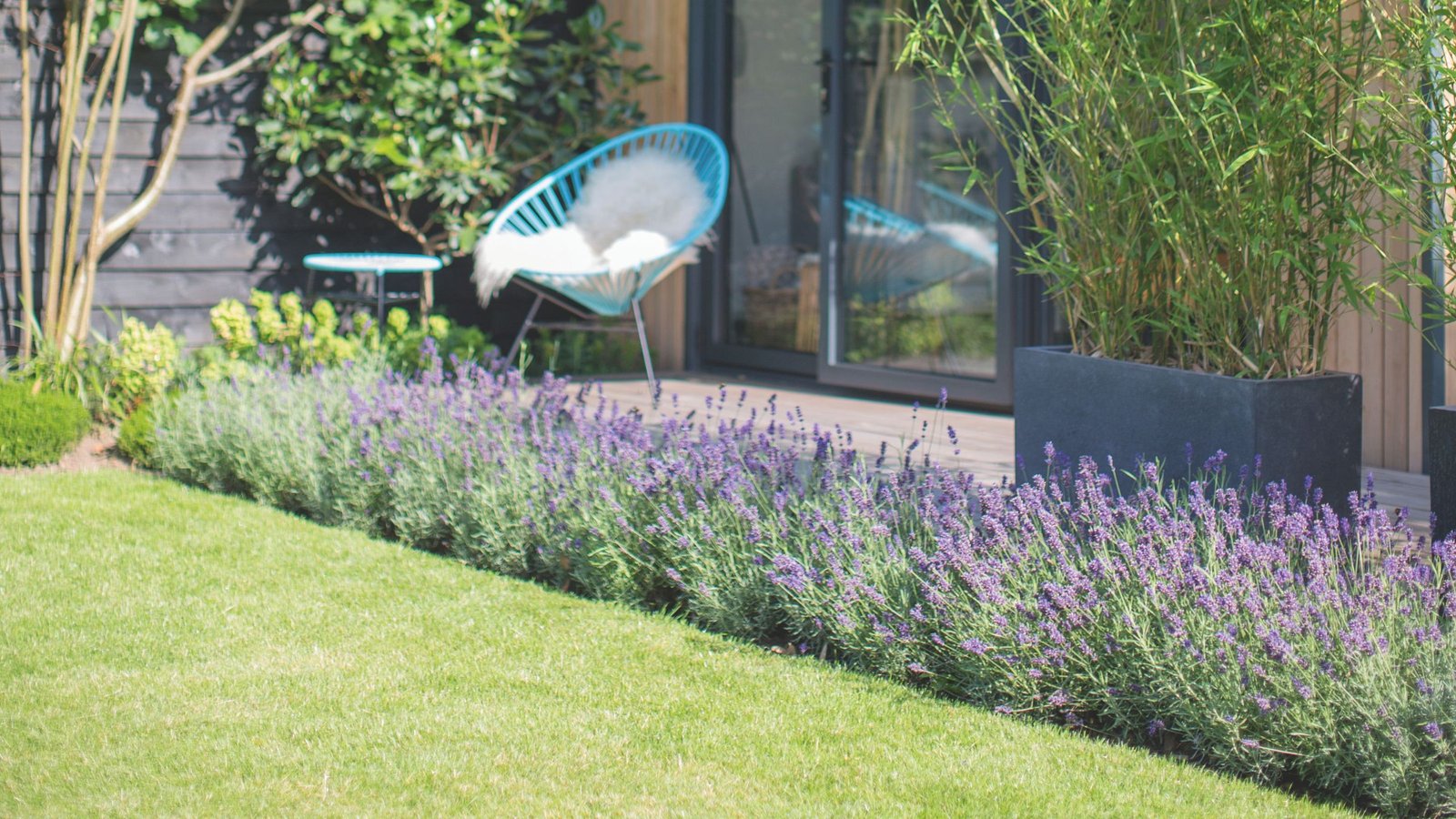
No garden is complete without lavender. Instantly recognizable, its wonderful scent and attractive flowers will instantly brighten up any garden.
Lavender is a relatively low-maintenance plant, even in hot weather. Growing lavender should be at the top of the list for those looking for drought-tolerant plants. However, although it is tolerant of hotter temperatures, you should do a few gardening jobs in July to ensure your lavender is thriving and not just surviving.
“With judicious watering and a little shade in the heat of the day, lavender will not just survive the heat – it will provide you with fragrant flowers for weeks,” says Julian Palframan, head of plants at British Garden Centres.
Latest videos from
1. Water regularly, but be careful about overwatering.
(Image credit: Future PLC/Andrew Woods Photography)
The advice for what to do with lavender in July is very similar to what to do with lavender in June, although additional steps are necessary during hot weather.
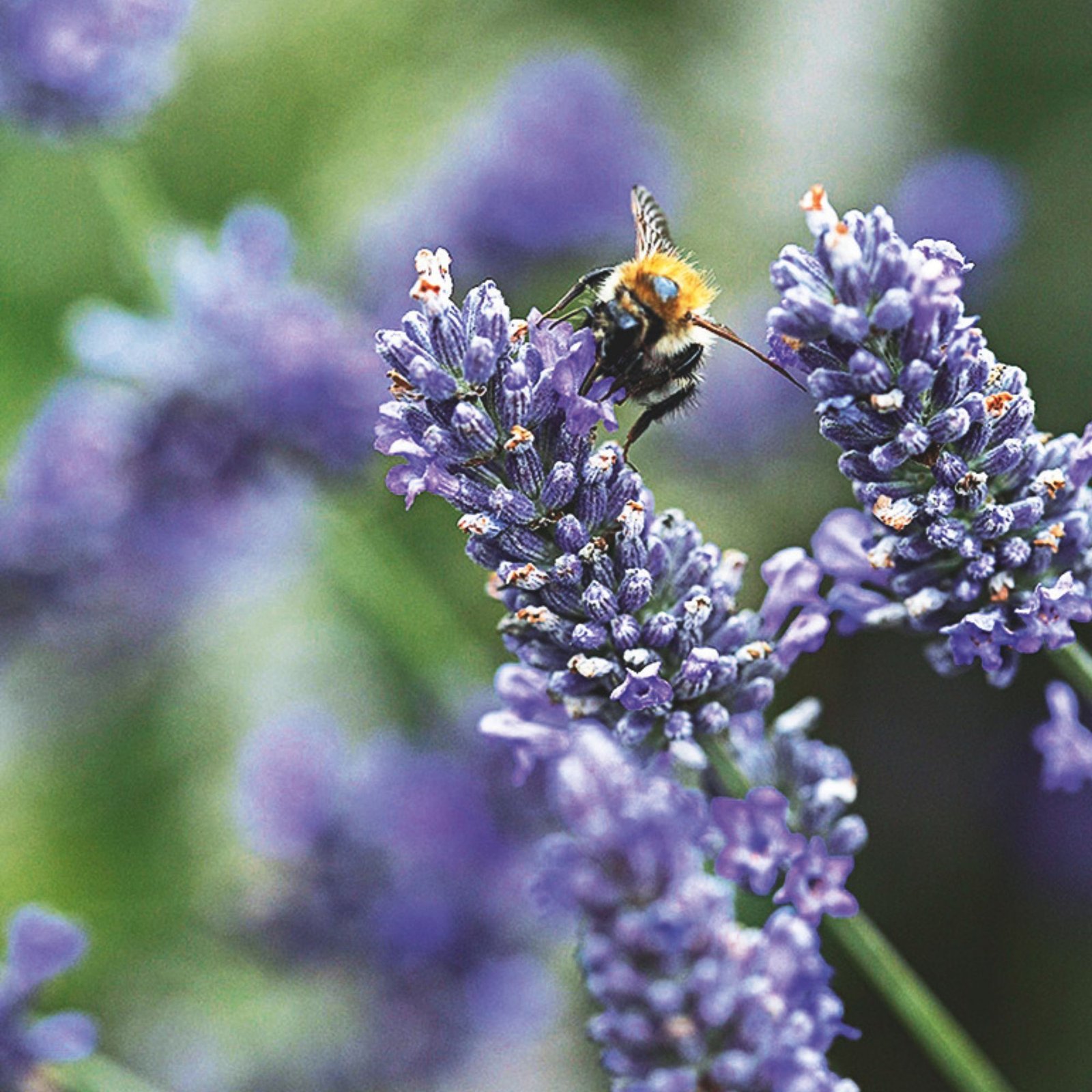
As a Mediterranean garden plant, lavender is surprisingly heat tolerant, meaning it really comes into its own in July. “Lavender tolerates heat much better than most of us, but during the July heat the real danger is not drought, but overwatering,” says Julian. “To avoid this common mistake when watering your garden, think like a Mediterranean gardener: give it full sun, really good drainage, and only water when the soil is really dry.”
You may like
Richard Barker, gardening expert and commercial director at LBS Horticultural, advises checking the soil before watering. “Mature plants need to be watered deeply only when the soil becomes dry a few inches below the surface.” A moisture meter like this one from Amazon can also be invaluable (and will help keep your hands clean).
For newly planted lavender, a more regular watering schedule is recommended, but still use caution. “If lavender has consistently wet soil, it can cause root rot, poor growth, or the plant may produce fewer flowers,” says Richard.
Heat waves often disrupt our regular watering schedule, making it more difficult to know how often to water the garden during hot weather. By taking the time to test the soil rather than just go by instinct, you can determine whether your lavender plant will survive or not. “During hot weather, check the soil in the morning and water early or late so the plant can take on water before the worst of the heat hits,” advises Julian.
2. Do not fertilize lavender in July.
(Image credit: Getty Images)
Once temperatures begin to rise, it is important to fertilize.
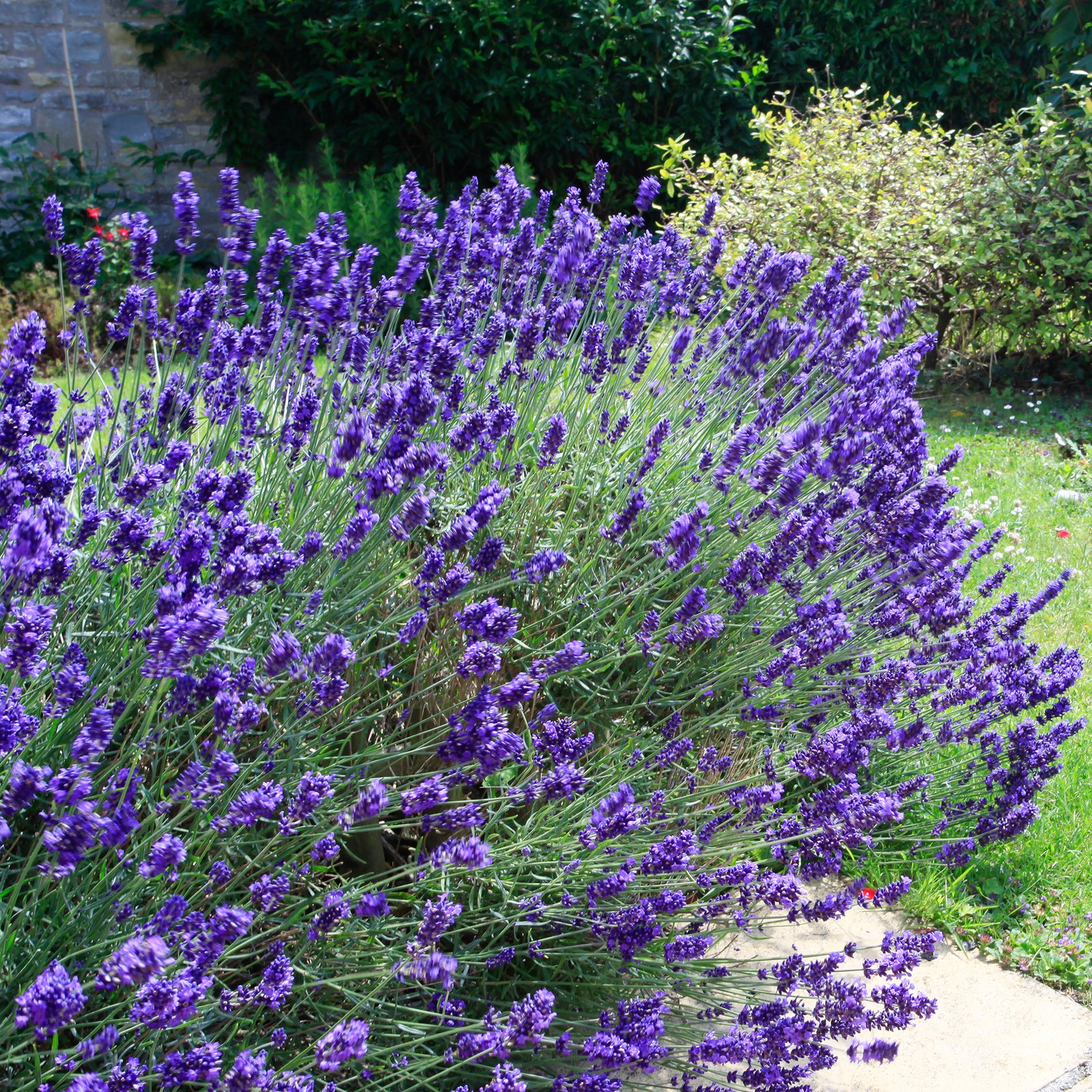
“Avoid fertilizing lavender in July, especially with standard nitrogen-rich fertilizers. Lavender grown in nitrogen-rich soil can produce up to 40% fewer flowers than plants grown in poor, well-drained soil, so poor conditions are often better for flowering, says Joe McGarry from Caragh Nurseries.
What to read next
3. Retreat to the second flowering.
(Image credit: Lee Clapp)
A couple of trimmings—like these from Amazon—are essential when it comes to caring for lavender in July. Although there are some plants that should never be cut, lavender is not one of them.
Regularly blooming lavender can extend the flowering period by directing the plant’s energy into more flowers rather than producing seeds.
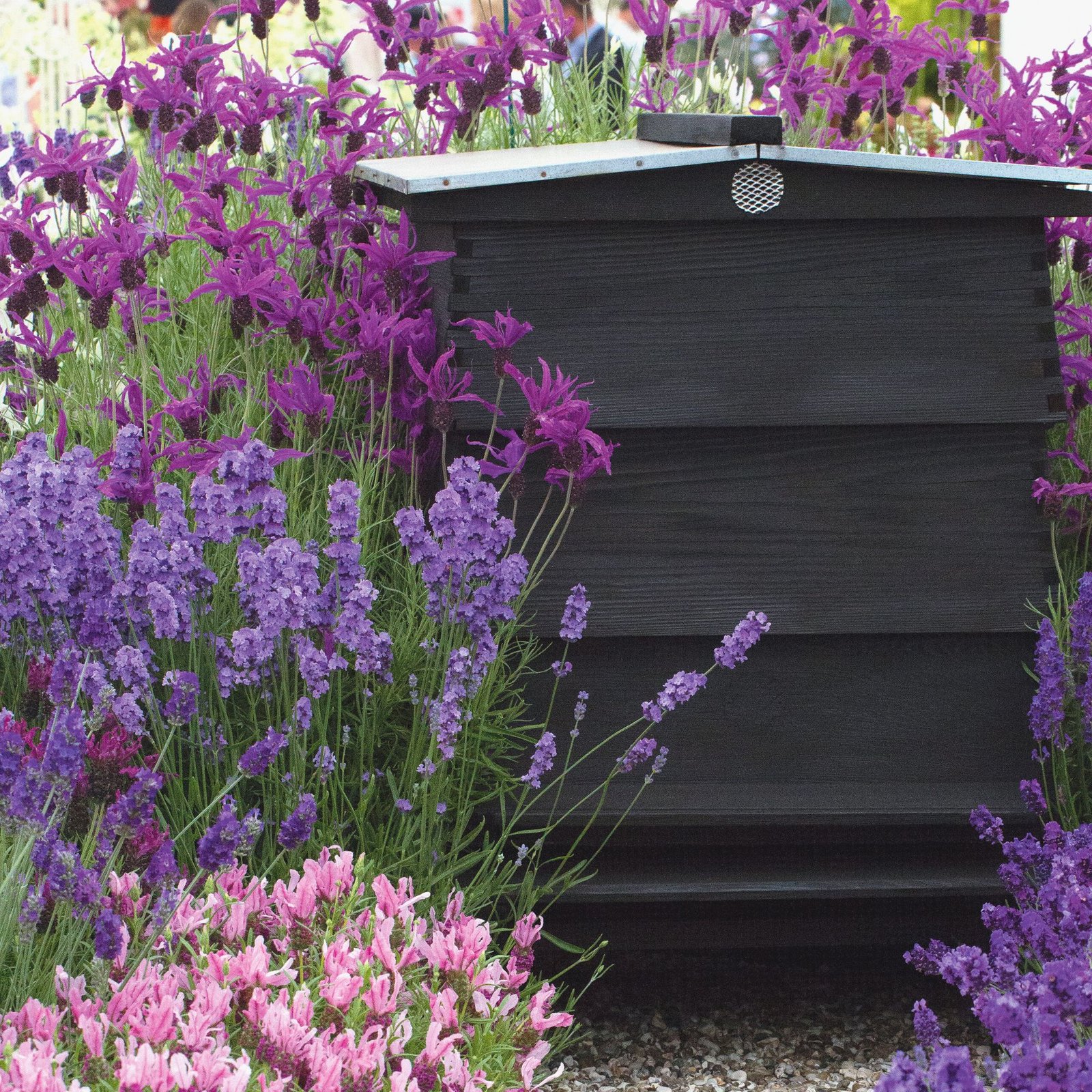
“Don’t wait until the entire flower stem has stopped blooming, but instead cut off spent flower stems as they begin to wilt,” says Richard Barker, gardening expert and commercial director at LBS Horticultural. “Cut just above the first set of leaves, but avoid the woody part of the stem. Be careful not to cut off every flower stalk as this is a valuable nectar-producing plant.” After all, it is these nectar-rich flowers that make lavender one of the best plants for attracting butterflies to the garden and a great plant for bees.
Of course, pruning is very different from pruning, and knowing the difference between pruning and pruning is key. Pruning is simply removing the flowers, but pruning lavender involves trimming the stems to encourage new growth. “Lavender should not be cut back sharply in July as it will not respond well if you cut back old woody stems,” says Richard.
4. Check pots daily
(Image credit: Getty Images)
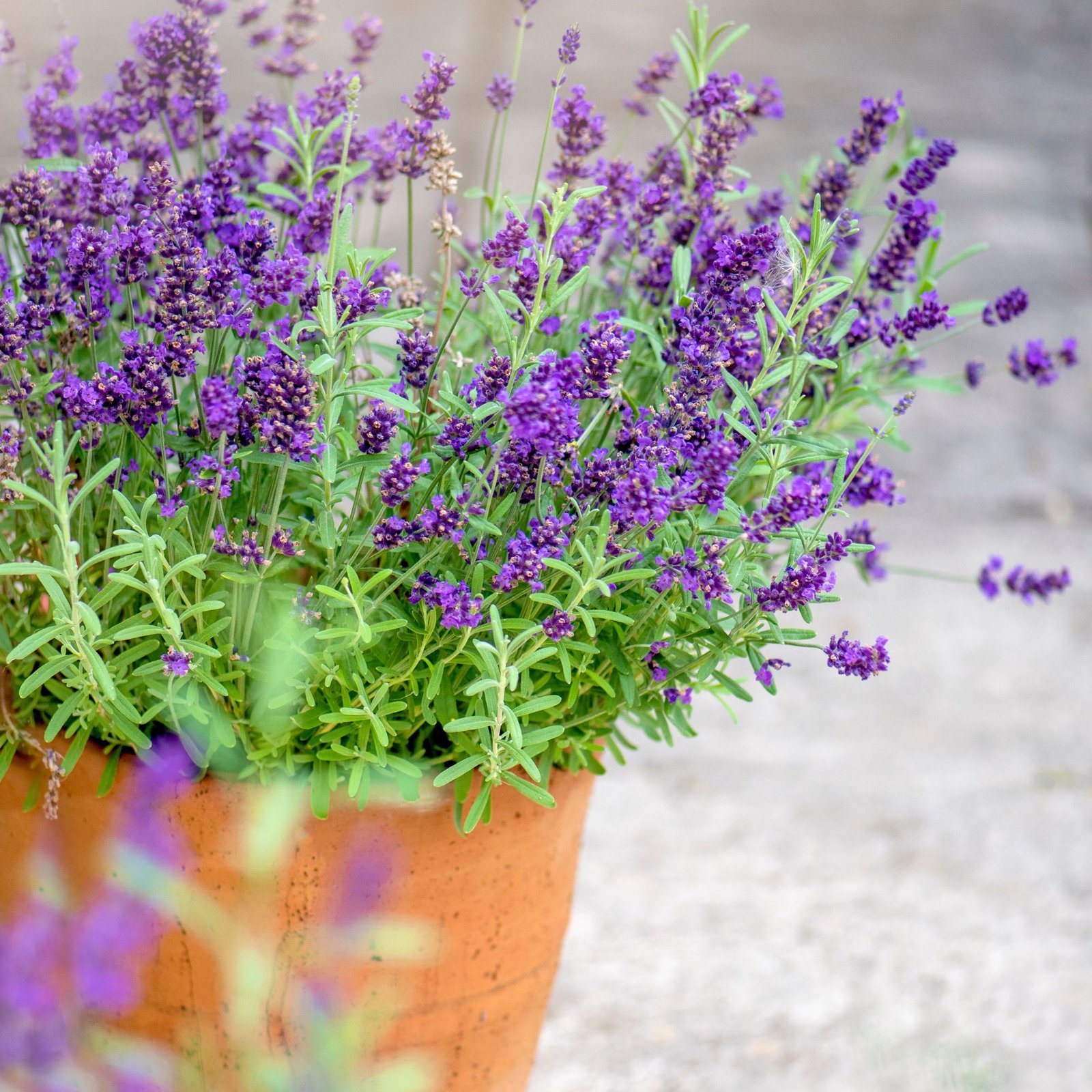
In July, especially during the heat, it is very important to take care of lavender plants grown in pots. Potted plants are more vulnerable to heat than plants in borders, so make sure you know how to spot the signs that your plants are suffering from heat stress.
Water regularly, always checking the soil to avoid overwatering, and move the pot to a shadier location. Adding a layer of mulch is a great way to help the soil retain moisture and mitigate the effects of heat.
Our senior digital editor Jenny McFarlane swears by RocketGro Magic Mulch, which you can buy from Amazon for £14.68.
If you follow these simple guidelines, you’ll enjoy gorgeous blooms and wonderful scents all summer long.