
Venezuela Frees Dozen Political Prisoners After New Talks
A second round of negotiations between Venezuela’s interim government and the opposition, facilitated by the United States, has led to the release of more than three dozen political prisoners, signaling a cautious step toward national reconciliation after years of political detention.
Negotiations and the Path to Freedom
The talks, held on Friday under Washington’s endorsement, brought together officials from the interim administration led by Delcy Rodríguez — Maduro’s former vice president — and representatives of the opposition coalition. The discussions follow an initial round in August that addressed the release of frozen overseas funds meant for earthquake recovery and proposals to reform the judiciary.
Details of the Prisoner Release
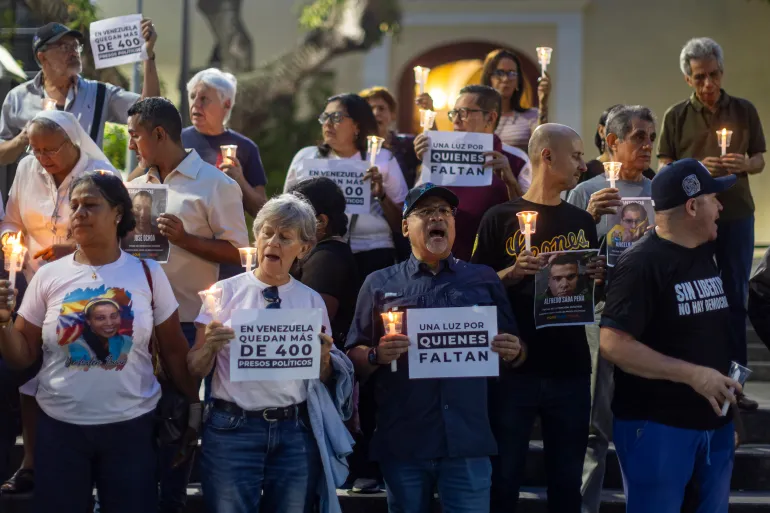
Human rights organization Justicia, Encuentro y Perdon (JEP) reported that 39 political detainees were freed between Friday and Saturday from multiple prisons. The group highlighted eight women who had been held on “narco‑terrorism” charges since 2021 and six individuals accused of participating in a 2020 plot to overthrow former President Nicolás Maduro with U.S. assistance. The releases were carried out without public fanfare, but families and advocacy groups noted the significance of the move.

International Reaction and Context
U.S. Secretary of State Marco Rubio previously described the broader release of Venezuelan prisoners since the January 2024 military removal of Maduro as “a crucial step” for the country’s reconciliation. The latest exchange follows a February amnesty law enacted under U.S. pressure, though officials acknowledge that the pace of releases has been slower than hoped.
Role of the United States and Human Rights Groups
JEP reiterated its commitment to vigilance, stating, “We will remain vigilant and continue to demand full freedom for all those who are still waiting.” The group’s statement on X underscored the ongoing need for transparency. Meanwhile, Foro Penal noted that 344 people remained classified as political prisoners as of September 18, a decline from 391 on August 10, when 131 were freed under a separate “alternative measures” program.
Outlook and Remaining Challenges
While the latest prisoner release is welcomed by families and advocacy organizations, significant challenges persist. Protests continue outside the U.S. embassy in Caracas and at the El Rodeo I prison, which rights groups label a torture center. Officials caution that full liberation of all detainees remains a long‑term goal, and the slow implementation of the amnesty law suggests that further negotiations will be required to achieve comprehensive freedom for Venezuela’s political prisoners.
Categories: News, Society, Government, People, Law

