

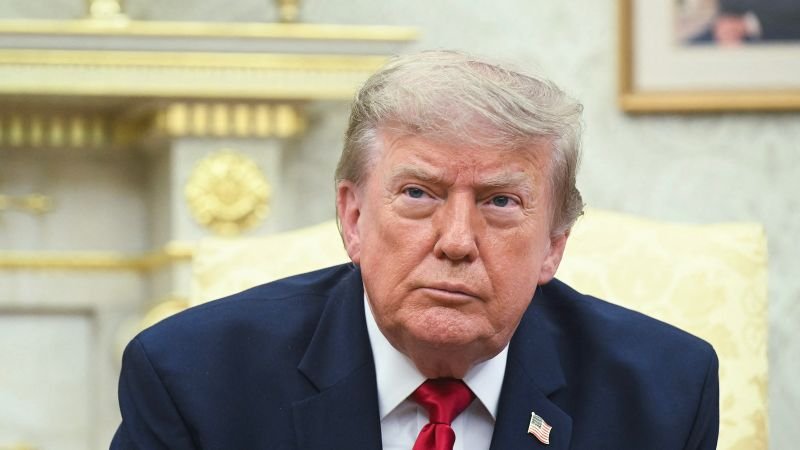
This is the highest sanction. But somehow, for President Donald Trump, who once sought a Nobel Peace Prize for ending wars, military force has become an incidental measure, a kind of background effect used to coax Iran into diplomacy.
Deploying the largest military machine in history is the greatest challenge facing the US commander in chief. The Pentagon may have reduced public reporting of U.S. casualties and damage to its facilities, but both remain a risk and a reality. Dozens of Iranians have died since the latest round of strikes and counterstrikes began, and thousands more since February.
The normalization of violence should itself be a red line, and its resumption or threat should not be reduced to an empty remark. The Trump administration’s disruptive powers could have real—perhaps unintended—benefits, and the president’s approach is certainly new.
Still, as the end of the memorandum of understanding appears increasingly clear and the ceasefire that followed cannot be maintained, Trump frequently speaks of a “destructive” Iran as a fallback, just one of many topics raised with reporters. This is a difficult, if not troubling, issue, both in terms of the ethical use of force and its practical use as a deterrent.
The nature of the threats undermines the norms of American behavior that were once the country’s greatest strength. Despite all the criticism of US foreign policy over the past decades, it was still clear that it was trying – on its face – to adhere to international humanitarian law and presenting the use of force as a last resort.
Instead, Trump talks about destroying Iran’s infrastructure – hitting bridges and power plants. It’s illegal – a war crime, lawyers and lawyers will tell you.
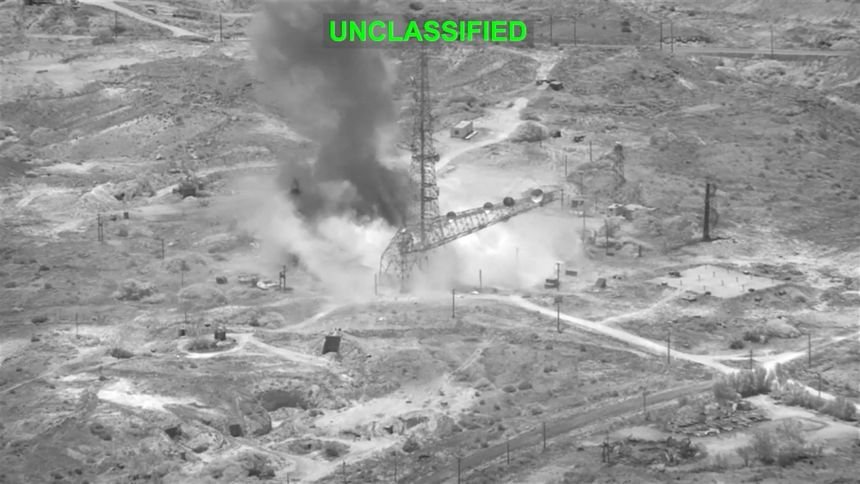
Trump supporters might argue that these definitions are becoming outdated, and precedents have been set in recent years that make the battleground much more brutal. But in black and white, the rules remain the same, and for good reason, and Trump casually talks about flouting them. When Russian President Vladimir Putin strikes such a target in Ukraine, the West is justifiably outraged.
The United States’ superficial reluctance to use force over recent decades has helped preserve the Pentagon’s capabilities. The US fought a lot, but carefully explained why. Trump’s second term has strangely veered into territory that his predecessors would have avoided on principle.
The kidnapping of Nicolas Maduro, then the president of Venezuela, was daring, risky and gradually paid off: Caracas became more friendly to the United States. But it destroyed two things: the international norm of not kidnapping sitting heads of state from their capital simply because you don’t like them. And it shattered Trump’s pacifist image after a year of trying to end the wars he inherited – often unconventional and unsuccessful – especially when it came to Ukraine.
As for Iran, Trump now appears to be heading into the midterm elections with his own endless war of choice – “Forever War Lite.” It is a conflict of uncertain rationale, changing goals and fading internal support against a more focused and persistent enemy.
The terms of the ceasefire were so vague that they almost invited Iranian hardliners to break them. They agreed that Iran would give up what it claimed it did not have and did not want: a nuclear weapons program. And it gave Iran potentially billions in sanctions relief as a reward for getting back to roughly where they claimed they were in February. Iran was devastated by more than 13,000 strikes, but survived and recovered rather than suffer a fatal blow. The US appears to be having more difficulty replenishing its ammunition stockpile than Iran is with its generals.
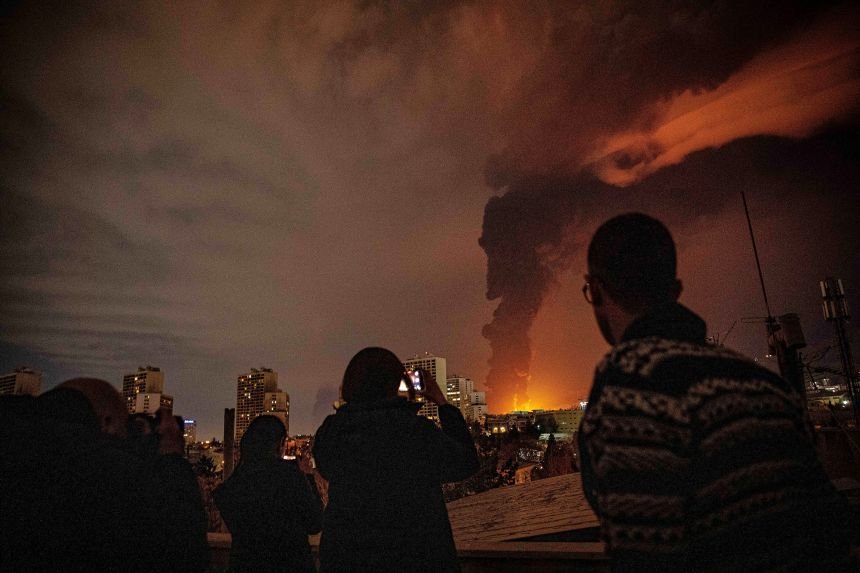
This is the inherent problem of untapped power. This shows how far the military power in question is willing to go, as well as the underlying gap in their resolve.
The term “forever war” was coined to describe the war in Afghanistan, where the vaunted inexhaustibility of American firepower, power and money had reached the limit of its endurance and appetite for distant conflicts. They could have done more, but chose not to, even though success in Afghanistan was about avenging 9/11 and preventing it from happening again.
Iran presents a different problem: President Trump has never once explained to the American public the existential necessity of war. This is his conflict with Coke Zero, where he thinks he can close the can and not be afraid of the calories.
He appears to have simply decided to go to war, convinced by Israeli Prime Minister Benjamin Netanyahu of the opportunity. Trump had no plan for the day after the regime fell, or for the month after the first bomb fell, or even for two weeks. The random nature of its beginning shows how it stumbles.
The implications for America’s enemies are palpable in Moscow or Beijing, but also wherever the same pettiness of thinking with which Trump launched this violence can be found. Night tariffs among Iranians are in themselves disgusting if undertaken with a shrug. (During the 2003 strikes on Baghdad, even coalition generals expressed regret at how bloodily they had beaten their less-equipped enemy.)
Iran’s resistance to conflict is another example of the limits of American power. Trump could threaten a ground invasion to seize key islands or a greater escalation of the air campaign. However, claims of more violence to come become increasingly empty each time they are made if they turn out to be empty threats.
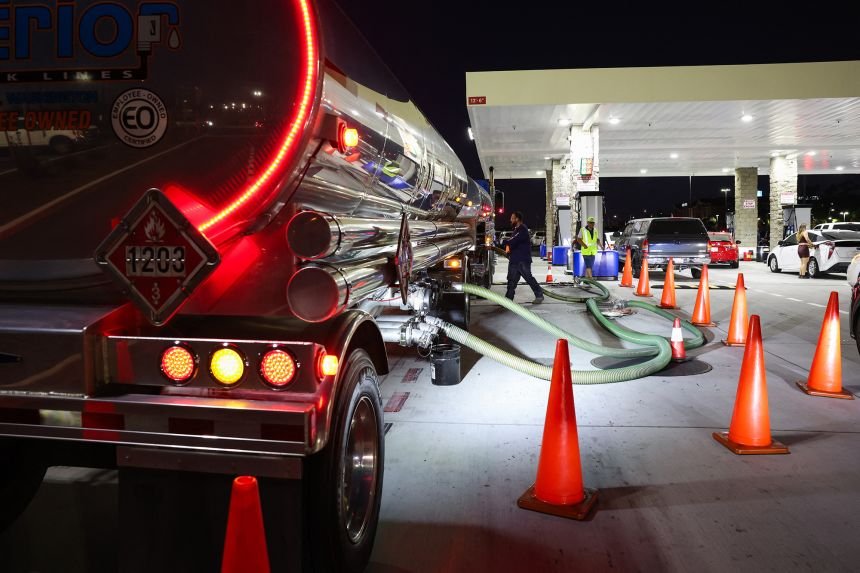
There are two key indicators that limit American resolve and violence. First is the price of oil, which appears to be heading towards a new crisis as supplies dwindle. It will always be a public, often predictable—but inexorably unstable—constraint on American action.
Secondly, there is Trump’s own growing approval rating. The latter, for an 80-year-old second-term president, is perhaps less fruitful than handing over the economy in a manageable state to his anointed successor. However, the midterm elections could really turn out to be ugly.
Iran’s hardline regime achieves a kind of victory by simply enduring and surviving. In January they faced serious popular unrest. They have hardly become much more popular since then, but have not wavered or fallen in the face of this additional pressure. The Afghan Taliban and Iraqi insurgents defeated the United States with roadside bombs and sheer tenacity. But they were not a nation state. Iran’s exploit here has broader geopolitical implications for American power and attention.
Iran has kept its regime operational despite industrial-scale targeted killings over the past year and has pushed the world’s greatest military power to use military force in hopes of forcing it back to the negotiating table to eventually negotiate a return to roughly the status quo in February. It is the epitome of American misery and frivolity, and the consequences for the coming decades are slowly becoming clear.
In short, if you start wars by accident – as if you don’t care – your enemy will assume that you also have a stake in their outcome.