
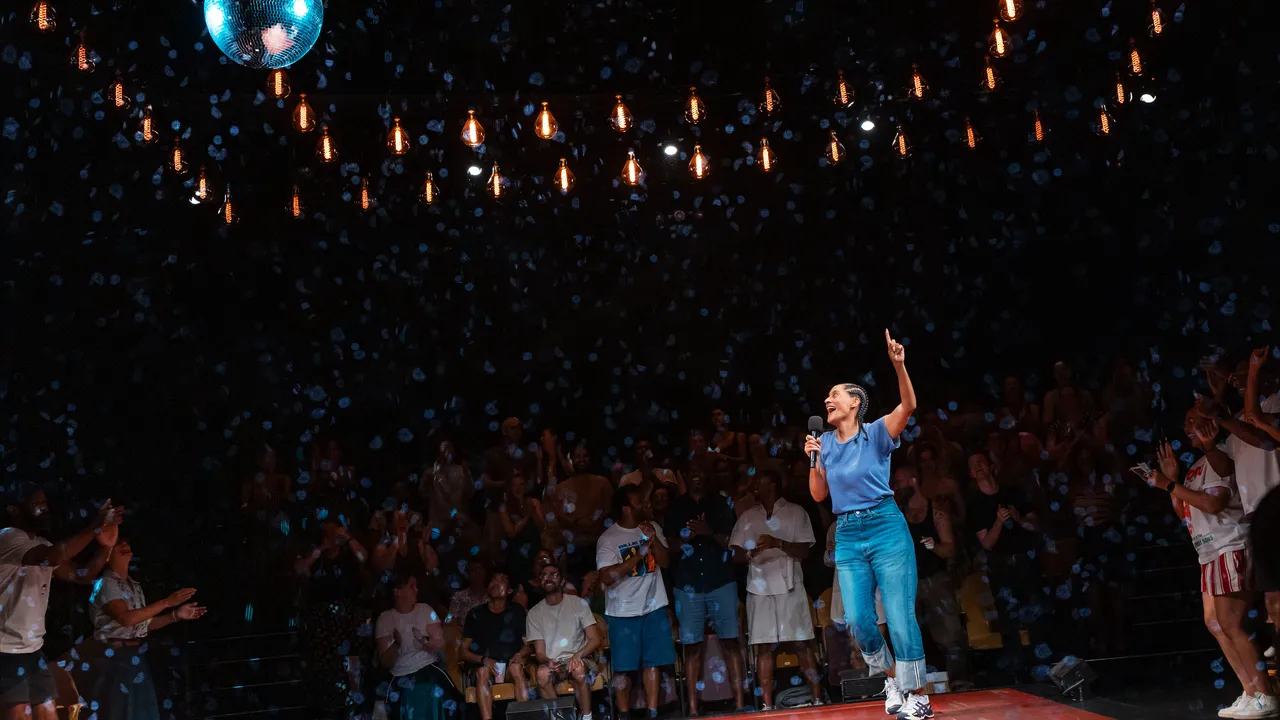
MacMillan and Donahue first presented the play in its current form at the Ludlow and Edinburgh festivals, before Donahue starred in the off-Broadway version at the Barrow Street Theater in 2014. Hundreds of regional and international performances followed; As of 2024, the play has been translated into 66 languages and staged in 63 countries.
Ross credits the play’s reach to the universality of its themes. “Even though it’s not my story at all, I still feel like every feeling in it is mine,” she says. “Even if the world were not the way it was, it is human nature to feel such pain inside, whether there is a reason for it or not. This play does not rely on that, but does rely on the idea that things can change, and that there are brilliant things in life that are worth living for.”
Another notable element is that it relies on audience participation, including having participants take on the roles of family members and teachers. With the United States currently experiencing a mental health crisis, Ross relishes the opportunity to directly involve participants in what she sees as a great celebration of life.
“My job is really to be a conductor of sorts and fill the space with wonder and connection—really setting the tone that encourages us all to thrive. There’s no way to do it wrong, and there are no mistakes,” Ross says. “One woman was playing lecturer and said, ‘I’m nervous,’ and I said, ‘Me too. We can be nervous together.” I’m so deeply grateful for people who are willing to face their nervousness and discomfort and not knowing and still show up and kind of play in that moment and play with me.”
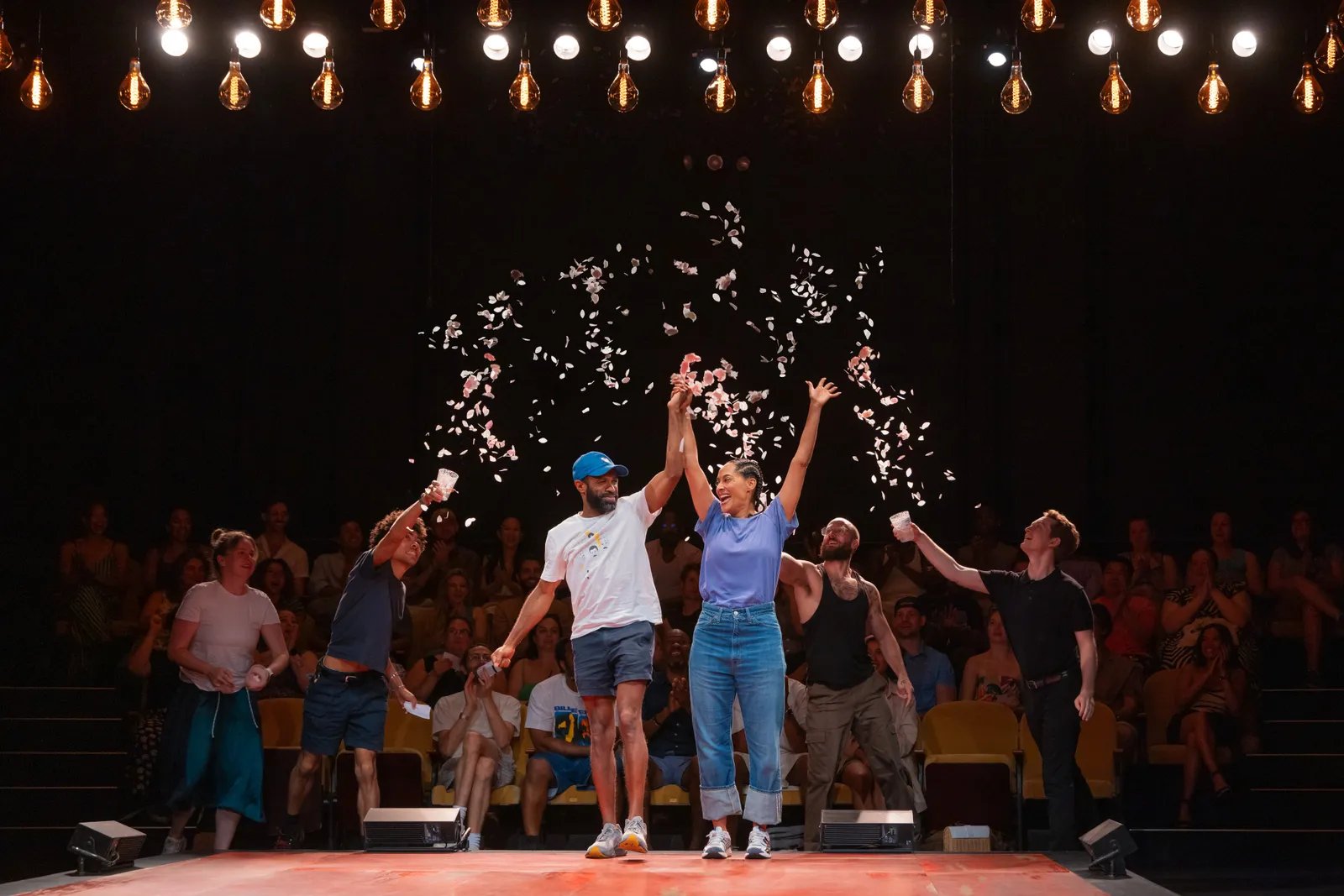
Photo: Matthew Murphy
She adds: “That’s why I love being an actress, both in terms of sharing the human experience and because I can connect with other people. So this show, I feel, is tailor-made.”