
Since Antonio Filosa took charge of Stellantis, the group appears to be gradually redefining the role of each of its brands. No new hierarchy was officially introduced. However, some clues converge and suggest a clearer repositioning, particularly between Peugeot, Fiat, Opel and Citroën.
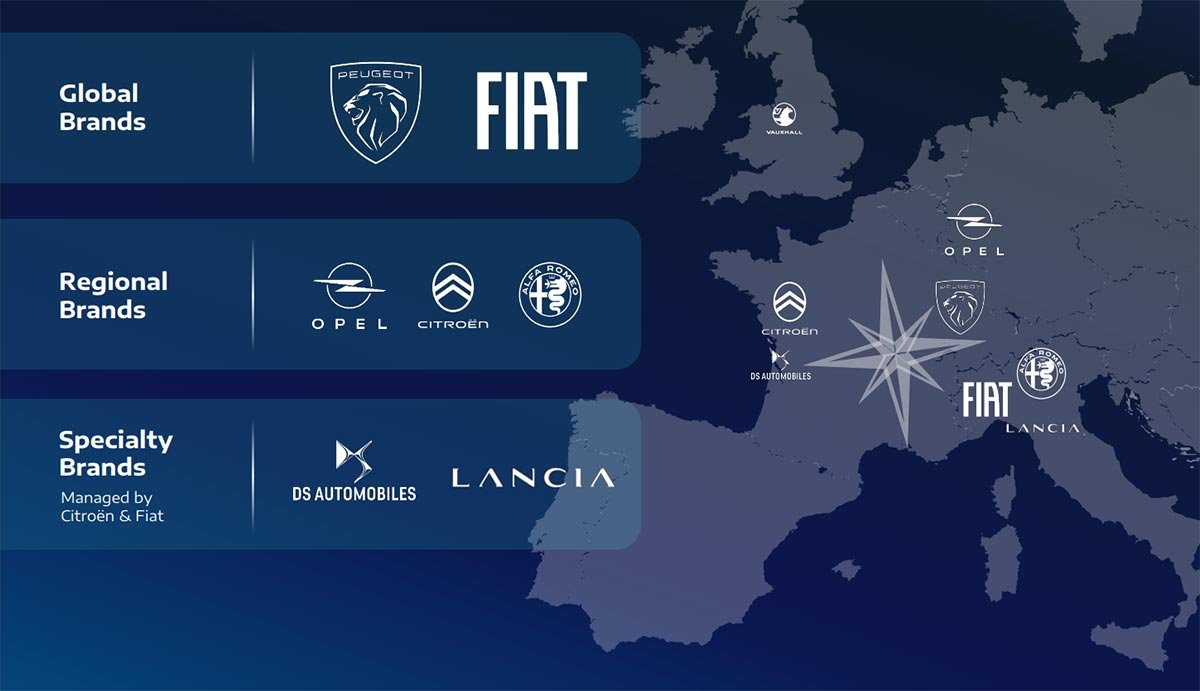
On the occasion of the presentation of the FastLane 2030 plan, Antonio Filosa also highlighted four global brands: Fiat, Jeep, RAM and Peugeot. In Europe, the strategic quartet consists of Peugeot, Fiat, Opel and Citroën, while Lancia is now managed by Fiat and DS by Citroën. Alfa Romeo and Maserati, for their part, must develop as independent brands.
The boundaries are now blurred
The problem is that in recent years the position of Stellantis’ generic brands has become much closer. The Fiat Grande Panda and Citroën C3 share the same technical platform. The Fiat Grizzly, Citroën C3 Aircross and Opel Frontera are all in the same category, while the Peugeot 3008 and Opel Grandland are also very similar.
Added to this is the future E-Car project, which should be shared between Fiat, Citroën and Opel. Under these circumstances, it is difficult to understand what truly distinguishes each brand beyond its national origin.
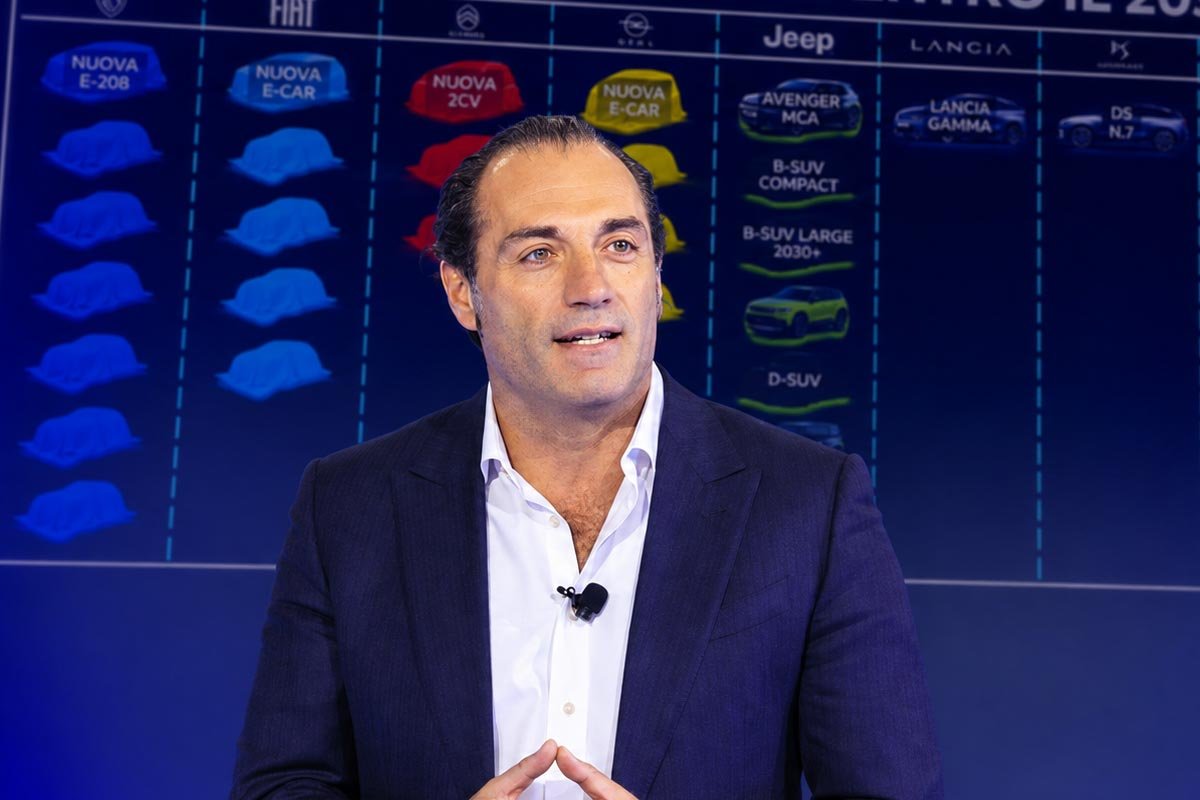
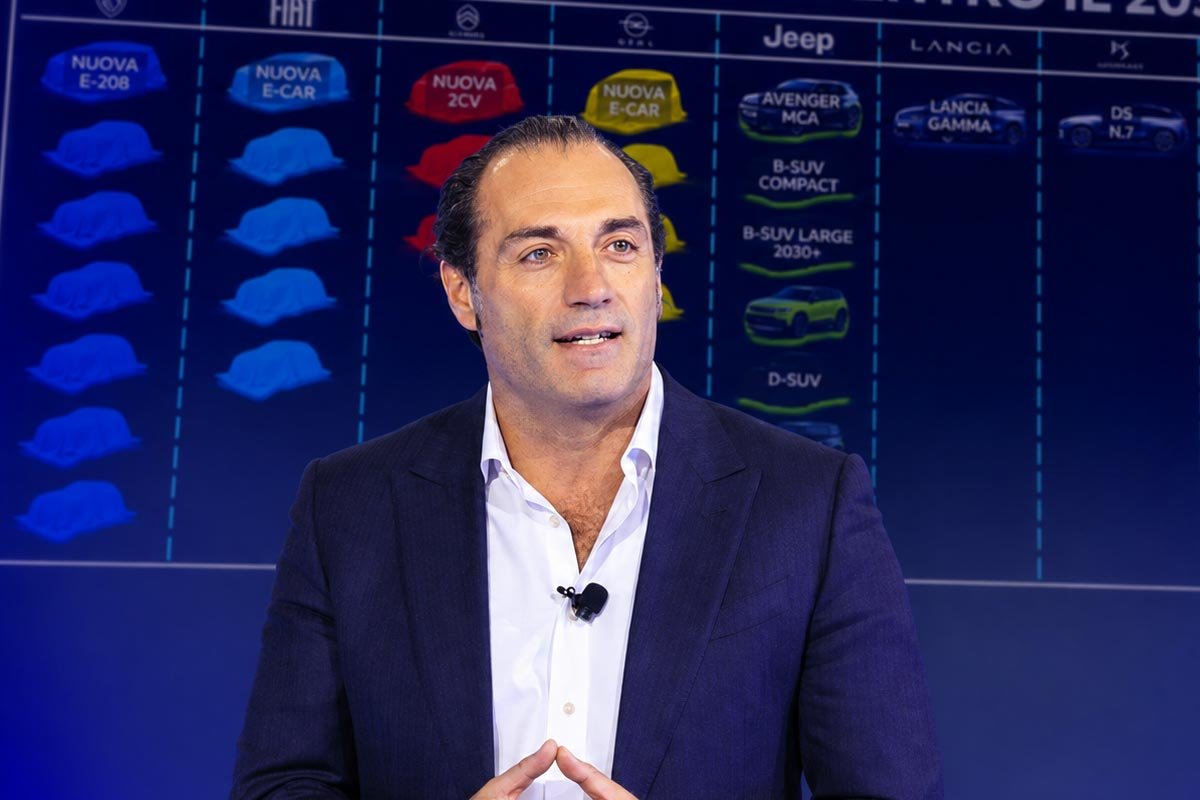
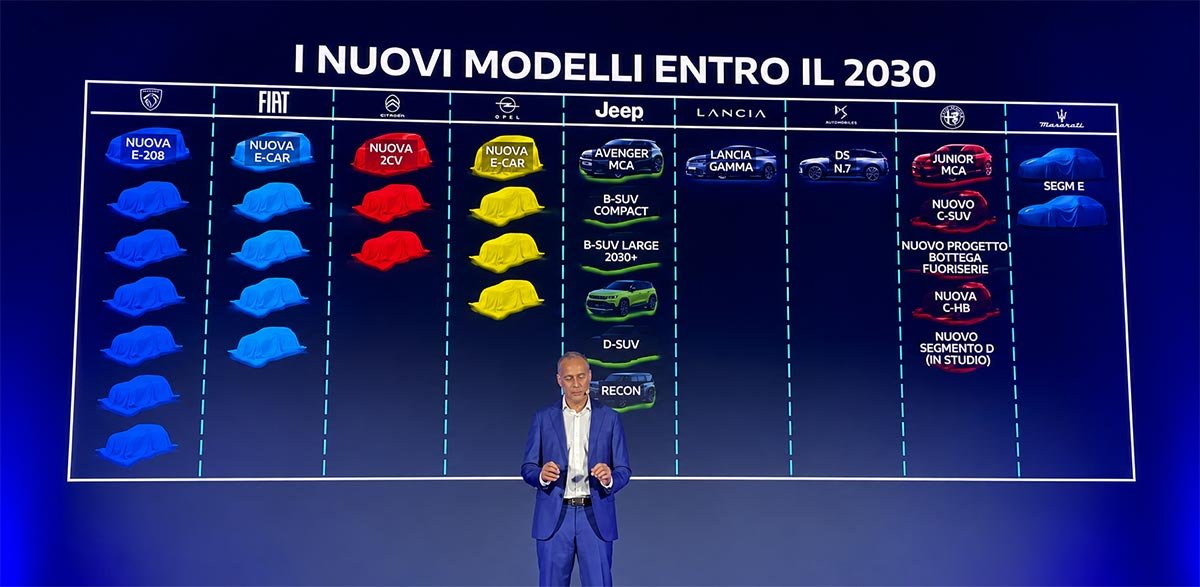
However, a recently published internal presentation provides the first clue. In it we find a line-up consisting of seven Peugeot models, five Fiat models, four Opel models and just three Citroën models. A difference that clearly indicates that the priorities are no longer quite the same.
Perhaps Brazil will have an answer
The real clue may ultimately come… from Brazil. In an interview with AutoData, Stellantis South America president Herlander Zola admitted that the strategy launched in 2021 for Peugeot and Citroën in Brazil had not achieved its goals. So the group is working on a much more drastic repositioning.
The idea is simple: Peugeot will have to position itself in the market segment above Fiat and Citroën below, offering products more focused on affordability. “I prefer to sell less, but in a balanced manner and without losses, than to sell a lot and lose money,” sums up the manager. This logic is aimed primarily at avoiding duplication with Fiat, which remains Stellantis’ most important brand in South America. Peugeot and Citroën will now have to act as complementary rather than competing brands.
This repositioning could also be based on the strengthening of the partnership between Stellantis and Chinese manufacturer Dongfeng. Both groups are already working on a new generation of electrified vehicles for the Chinese market, and are also evaluating collaboration opportunities in Europe. But these discussions also apply to South America.
Herlander Zola confirms that in the long term, some Peugeot or Citroën models developed in cooperation with Dongfeng could be sold in Brazil. The timing has not yet been determined, but the executive believes the alliance will provide the means to “position Peugeot and Citroën differently” while improving their competitiveness.
If this strategy is mentioned today in relation to the South American market, it may well reflect a broader view within Stellantis. Recommendations set out in the FastLane 2030 plan, preparation ranges and announcements from Brazil seem to be saying the same thing: Peugeot is making a leap in quality, Fiat is maintaining its role as an all-round mainstay, while Citroën is moving towards a more affordable offering.