
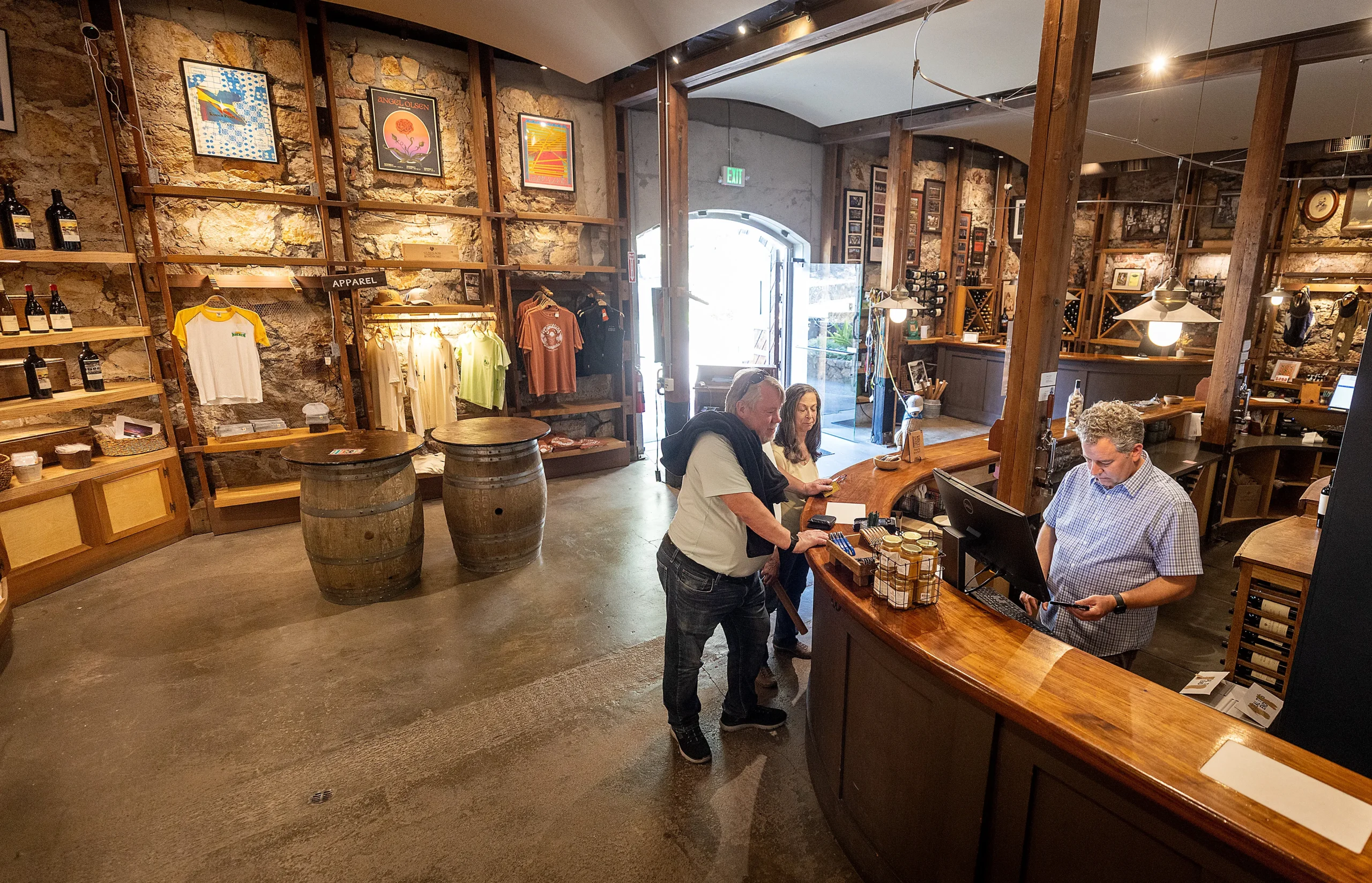
Gundlach Bundschu Enters Chapter 11 as Oldest Family‑Owned Winery Faces Insolvency
Sonoma Valley’s Gundlach Bundschu, California’s oldest continuously owned family winery, filed for Chapter 11 bankruptcy on Wednesday, September 23, 2025, marking a stark turn for a business that has operated on the same land since 1858. The filing adds the historic producer to a growing list of Sonoma and Napa wineries grappling with declining wine consumption, excess grape supply, and tightened credit.
Financial Strains Prompt Court‑Supervised Restructuring
The Bundschu family’s legal filing cites years of operational restructuring, cost cuts, asset sales, and family capital injections that failed to stave off insolvency. CEO Jeff Bundschu wrote in his declaration that the decision followed “an extensive effort to obtain new investment or sell assets on terms that would preserve the business,” but no out‑of‑court agreement could be reached.
To date, the winery has reduced its workforce from 120 to 63 employees, slashing operating costs by more than 50 %—approximately $7 million—over the past 18 months. It also ceased retail sales at its Abbott’s Passage label and plans to close that Glen Ellen facility in early October 2025.
A Legacy Stretching Back to 1858
Founded by Bavarian immigrant Jacob Gundlach and a partner who purchased 400 acres from General Mariano Vallejo’s son‑in‑law, Gundlach Bundschu planted its first vines a year later using European rootstock brought from the homeland. The winery survived earthquakes, fires, phylloxera, Prohibition, and multiple recessions before the current market downturn.
By 1906 the company operated a massive San Francisco warehouse and wine vaults covering two city blocks—all lost in the earthquake and fire of that year. After Prohibition, the family replanted in the late 1960s as California’s wine renaissance took hold, reopening the winery’s doors in 1976.
The Abbott’s Passage Gamble and Its Aftermath
In February 2020 Gundlach Bundschu purchased 60 acres off Madrone Road in Glen Ellen for $11.6 million, financing the acquisition with a sizable loan to launch the Abbott’s Passage hospitality and production venture led by Katie Bundschu Tynan. The purchase came just before the COVID‑19 pandemic curtailed winery visits and followed a series of devastating wildfires.
Jeff Bundschu later reflected that the expansion “came at precisely the wrong time,” adding operational complexity and leverage the business could not sustain. Although the winery attempted to rebound via e‑commerce, private‑label work, and greater use of the Abbott’s Passage facility, margins remained inadequate, prompting the eventual shutdown of the Glen Ellen site.
Industry Headwinds and the Outlook for U.S. Wine
The bankruptcy fits a broader trend identified by Rob McMillan, founder and principal brand strategist for Silicon Valley Bank (a division of First Citizens Bank). He told the Press Democrat that U.S. wine sales continue to fall, though at a slower pace this year. The bank forecasts the sector will reach a bottom sometime in 2026‑2028, with recovery in dollar value preceding volume gains.
McMillan notes that the gap between production and sales volume is narrowing, predicting 2025 will be the third straight year of improvement in that metric. He adds that a lasting industry correction will likely result in a smaller, more consolidated market that disfavors passive business models—a shift that may arrive too late for historic players like Gundlach Bundschu.
Family Response and Steps Toward Recovery
Despite the filing, Gundlach Bundschu intends to remain open during the court‑supervised restructuring. The company has enlisted Finestone Hayes as general bankruptcy counsel and Amory Securities as financial advisor. Jeff Bundschu continues to run the business alongside his sister, Katie Bundschu Tynan.
The family has already liquidated non‑core assets, including the patrimonial home rebuilt after the 2017 Nuns Fire, and has contributed personal capital to keep operations afloat. According to the filing, earnings before interest, taxes, depreciation, and amortization (EBITDA) rose from just over $800,000 in 2023 to a projected $3.28 million in 2026—a gain that still fell short of covering the winery’s debt.
What Lies Ahead for America’s Oldest Family Winery?
As of September 24, 2025, no further public updates have emerged beyond the initial Chapter 11 filing. The winery’s vineyard holdings—160 acres, including the 100‑acre Rhinefarm estate—remain intact, and it continues to produce roughly 42,000 cases annually, ranging from Cabernet Sauvignon to dry Gewürztraminer. Visitor counts stood at about 30,000 in calendar year 2025.
Whether the Bundschu family can emerge from bankruptcy with a reduced debt load and a revitalized business model will depend on the court’s approval of a restructuring plan, the willingness of lenders to negotiate, and the broader trajectory of the U.S. wine market. For now, Gundlach Bundschu’s storied past confronts an uncertain present, echoing the challenges faced by many heritage producers navigating a shifting consumer landscape.
Business, Drink, News, Sonoma Valley, Wine Industry, Bankruptcy, Family-Owned Wineries, Abbott’s Passage, Gundlach Bundschu, Silicon Valley Bank, Chapter 11, Wine Market Trends

