
Salvadoran Immigrants Face TPS Expiration Crisis as Deadline Approaches
As the United States prepares to potentially end the Temporary Protection Program (TPS) for Salvadoran immigrants on September 9, 2026, thousands of individuals across the nation are bracing for an uncertain future. This policy, established in 2001 following the devastating 7.7 earthquake that struck Central America, has become a lifeline for hundreds of thousands of Salvadorans seeking safety and stability in the U.S. But for many, especially those who have built their lives here, the coming months could mean the loss of legal protections and the upheaval of decades of hard-won residency.
A Lifeline Under Threat
The Temporary Protection Program was created under the 1990 Immigration Reform and Control Act as a humanitarian measure for people fleeing violence, conflict, or environmental disasters in their home countries. For Salvadorans, the program became particularly vital after the catastrophic earthquake in January 2001 that devastated Managua and surrounding regions. At the time, approximately 260,000 Salvadorans applied for TPS, granting them legal status and access to work permits.
Today, only four countries retain TPS beneficiaries: El Salvador, Ukraine, Sudan, and Lebanon. Of these, El Salvador stands alone with nearly 170,000 individuals whose protection is set to expire on September 9, 2026. The remaining three programs extend until October and November respectively. This narrow window leaves many families facing difficult choices about their futures.
A Personal Journey of Loss
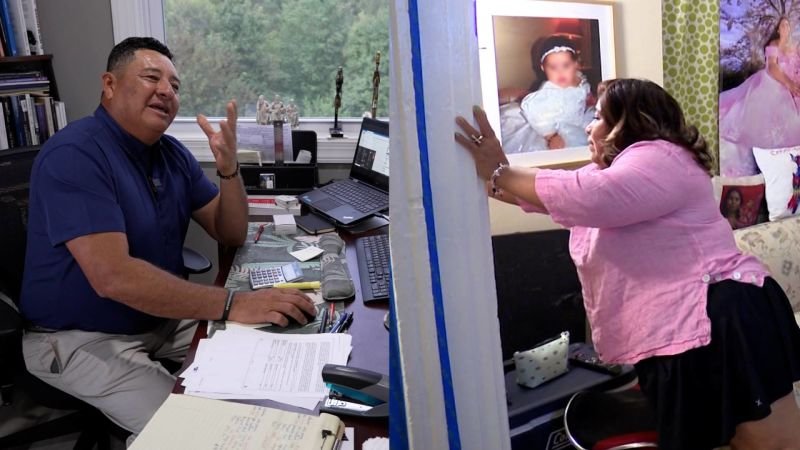
Soledad Miranda, a 52-year-old woman living in Washington, embodies the human cost of this policy shift. She arrived in the United States in 1997 at age 19, crossing the border undocumented before eventually securing TPS status. Over the past two decades, she transformed her life through hard work and determination. She obtained a cosmetology license, worked in cleaning, led advocacy efforts for street vendors, and now employs others while working in sanitation herself.
When TPS expired for her, the reality hit hard. “I feel defeated,” she said, describing the moment she realized her legal standing might change. “My daughter is 16, and I’m supposed to leave everything I’ve built here.” The emotional weight of losing her protected status is palpable, as she faces the prospect of returning to a homeland still recovering from disaster and starting over again.
Economic Contributions and Community Impact
Beyond individual stories, the Salvadoran TPS community makes substantial contributions to the American economy. According to the National Alliance for TPS, Salvadoran beneficiaries inject approximately $5.4 billion annually into the U.S. economy while paying $1.5 billion in combined federal, state, and local taxes each year. These numbers underscore the profound economic significance of the program beyond mere humanitarian concern.
For many, the TPS program represents more than just legal protection—it offers a pathway to stability, family reunification, and economic opportunity. For Nilson Cañenguez, a successful entrepreneur in the Washington metropolitan area, TPS enabled him to establish construction businesses, transport companies, and real estate ventures. He recalls building his first home in El Salvador with funds earned through his work in the U.S., illustrating the generational impact of this program.
Broader Implications for Immigrant Communities
The potential elimination of TPS for Salvadorans raises serious concerns about the well-being of entire communities. Research from the Washington Office for Latin America (WOLA) indicates that more than 150,000 U.S.-born children have at least one Salvadoran parent with TPS benefits. The separation of families due to program termination would affect thousands of households and disrupt generations of integration.
Remittances sent by Salvadoran workers to their home country represent a critical economic lifeline for El Salvador itself. Studies estimate that remittances account for roughly 24% to 26% of the country’s GDP. The sudden loss of TPS could significantly reduce these transfers, creating a ripple effect throughout the national economy and exacerbating poverty in a region already vulnerable to economic shocks.
For Soledad and countless others, the upcoming deadline forces a painful choice: adapt to new circumstances or prepare for departure. While some may find opportunities abroad, many face the daunting prospect of returning to a country still grappling with recovery from the 2001 earthquake and uncertain prospects for their children’s futures.
As the clock ticks toward September 9, 2026, the Salvadoran community awaits a decision that will shape their lives and the lives of millions of immigrants who depend on this fragile system of protection. The outcome will reverberate far beyond individual stories, touching the heart of America’s complex relationship with immigration and the enduring bonds of diaspora communities.
News, Society, Politics, Economy, Community, Business, People, Government, Social Issues

