

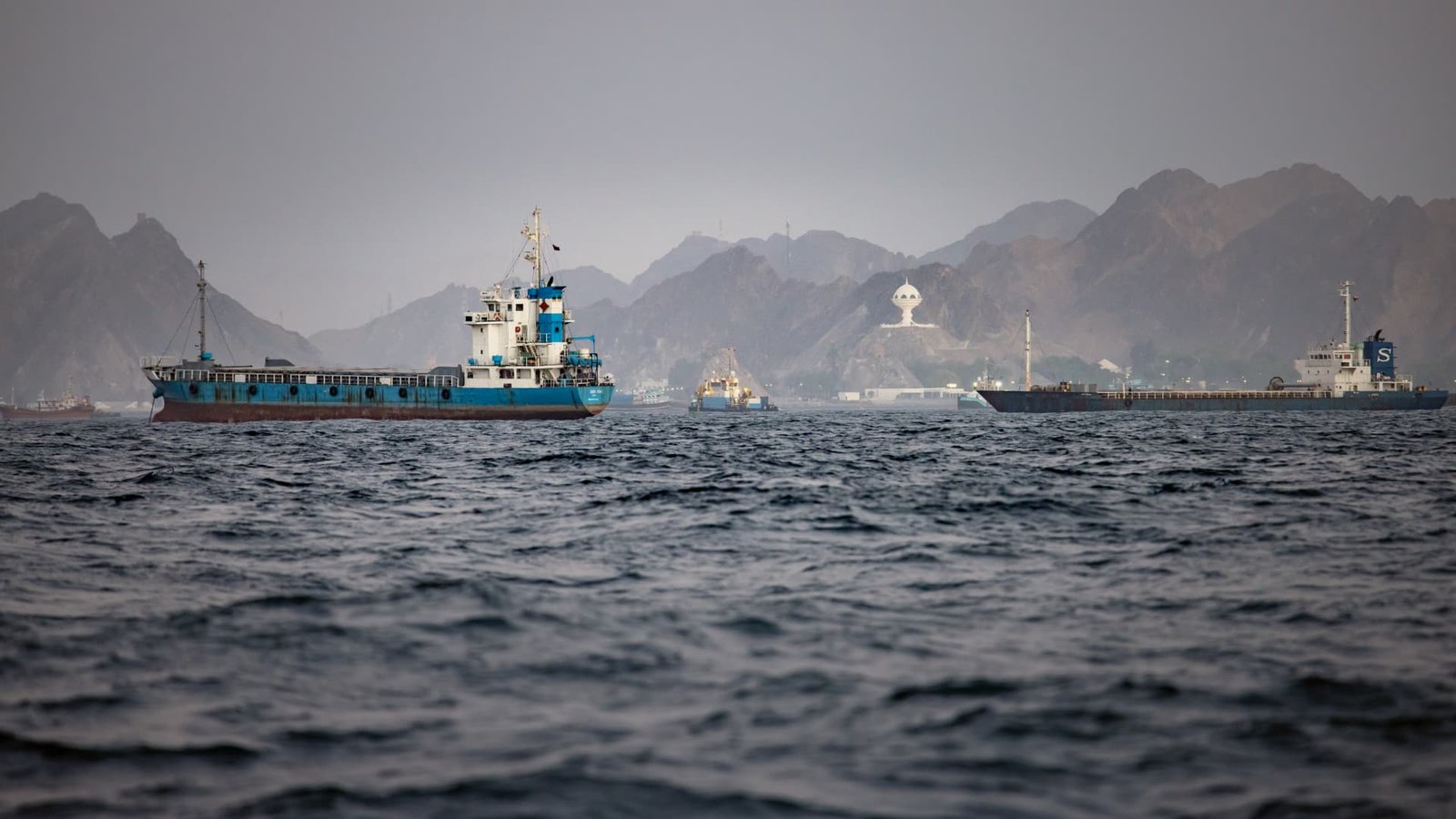
Saudi Arabia has increased oil supplies through the Strait of Hormuz after the US and Iran signed an agreement last month to open the sea route.
The Saudis have sent about 34 million barrels of oil through Hormuz since June 17, according to trade intelligence firm Kpler. Riyadh’s exports over the past two weeks are more than double the 15 million barrels the kingdom sent through the strait between March 9 and June 17.
“Saudi oil flows into the Persian Gulf are recovering after months of conflict-driven routing,” Kpler analyst Jashan Prema told clients Thursday.
About 24 million barrels of Saudi oil shipped since June 17 were loaded during or before the U.S.-Iran war, according to Kpler. This indicates the Saudis are clearing out a backlog of oil tankers that were unable to leave the Persian Gulf during the conflict, the company said. About 17 million barrels of Saudi oil loaded before the war remain in the Persian Gulf, it said.
Riyadh largely suspended shipments from its Gulf export terminals of Ras Tanura and Juaymah on March 9 after tanker traffic through Hormuz fell sharply due to Iranian attacks. The kingdom has redirected a significant portion of its oil exports via the East-West Pipeline to the Yanbu terminal on the Red Sea.
The Saudis are now restarting their export logistics in the Gulf rather than simply liquidating pre-war oil reserves, Prema said. Eleven supertankers bound for the kingdom entered the Persian Gulf between June 23 and July 1, the analyst said. According to him, eight of these tankers loaded with oil at Saudi terminals, and five of them have already left Hormuz.
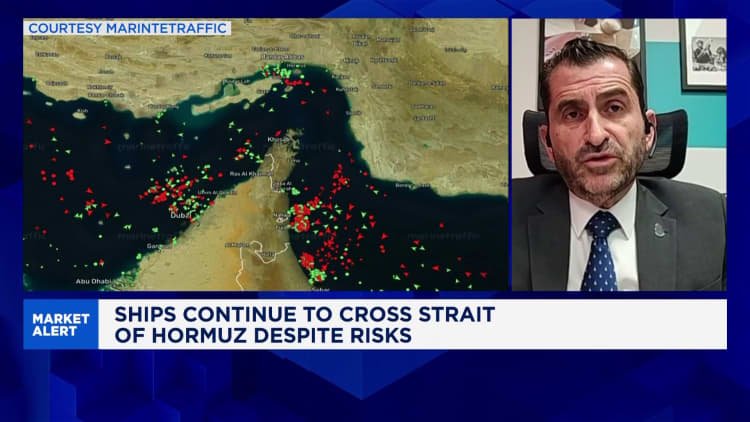
Ships continue to pass through Hormuz following the outbreak of hostilities between the US and Iran last week. Tehran attacked two commercial ships, and the US responded with strikes on Iran over the weekend. Tanker traffic fell to eight ships on Sunday before rising to 16 on Wednesday, according to Kpler.
About 8.5 million barrels of crude oil passed through Hormuz on Wednesday, according to marine survey company Windward. About 15 million barrels a day passed through the strait in 2025, according to the U.S. Energy Information Administration.
Choose CNBC as your preferred source on Google and never miss a beat from the most trusted business news source.