

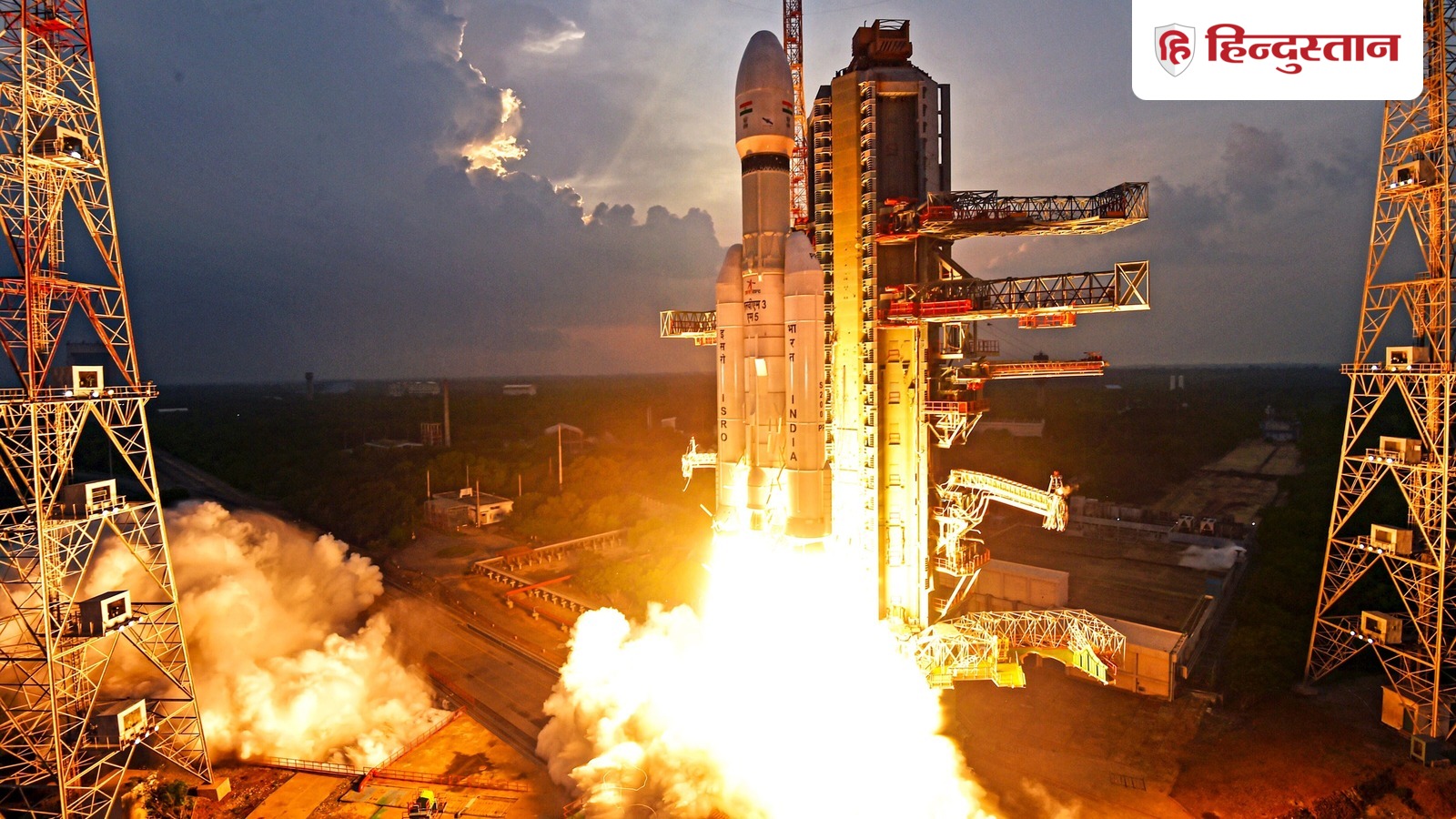
More than 100 scientists associated with important ISRO missions such as Gaganyaan and Chandrayaan-3 have resigned. To stop this migration of scientists, the Space Agency has taken big steps by tightening the rules.
Resignations of scientists associated with ambitious and important missions, such as Gaganyaan from the Indian Space Research Organization (ISRO), have added to the concerns of the Space Ministry. After more than 100 scientists left their jobs in the past few months, the department has taken a big step to stop the exodus. The rules for voluntary retirement (VRS) and resignation of scientists have been tightened by a new internal memorandum published on July 14.
100 to 120 scientists left ISRO
According to a Times of India report, the Ministry of Space has not officially released any numbers, but sources say the number is between 100 and 120. Around 80 people have resigned from URSC and at least 20 from VSSC. In addition, many other resignations are still being assessed. Let us tell you that URSC i.e. UR Rao Satellite Center is ISRO’s main center responsible for the design, development, production and testing of satellites. Whereas VSSC i.e. Vikram Sarabhai Space Center is the main center of ISRO responsible for the design and development of rocket technology.
The names of these important persons are also included
What is surprising is that those who resigned include officials associated with many large and important projects.
Project LVM-3: LVM-3 Project Director Victor Joseph has resigned from VSSC.
SpaDeX project:The director of this project also left URKK.
Chandrayaan-3 mission: Aditya Ralapalli, who was part of this historic mission, also resigned. He was the project manager (simulation) for the mission and his team produced around 25 terabytes of data, conducting over 1 lakh tests to validate the lunar landing.
Directors’ rights were taken away, the rules were changed
In light of this wave of resignations, the administration rescinded the rules adopted in 2020. Previously, ISRO Center Directors had the power to approve the resignations and VRS of Group ‘A’ technical and scientific staff. But after the new order, the director of the center will not be able to take the resignations of scientists associated with Gaganyaan and other important national missions as routine. Now all such cases will have to be sent directly to the Department of Space (DoS) for final decision on the recommendation of the Director.
What does the ISRO chief say?
According to the report, ISRO Chairman V. Narayanan has accepted the resignation. He said: “It’s true that a lot of people leave, but that’s part of every organization. The new memorandum was brought not only to stop people, but also to ensure that no important project was suddenly affected. If someone leaves, someone else will take over his responsibility. We are looking into the whole situation.”
What is the status of employees in ISRO?
Currently, ISRO has more than 14,600 employees. The recent resignations represent only a small portion of the overall workforce, but it is alarming to see these people leaving strategic locations. At the end of last financial year, URSC had 1,339 employees and VSSC (ISRO’s largest centre) had 4,577 employees.
However, employee departures are not new for ISRO. Between 2012 and 2024, approximately 700 employees left. Moreover, between 2004 and 2007, almost half of new employees quit. According to ISRO’s annual report 2025-26, the recruitment process for 1050 scientific, technical and administrative posts is currently in its final stages. But the new order makes it clear that it is not so easy to immediately fill the positions of experienced scientists in important national missions with new personnel.