
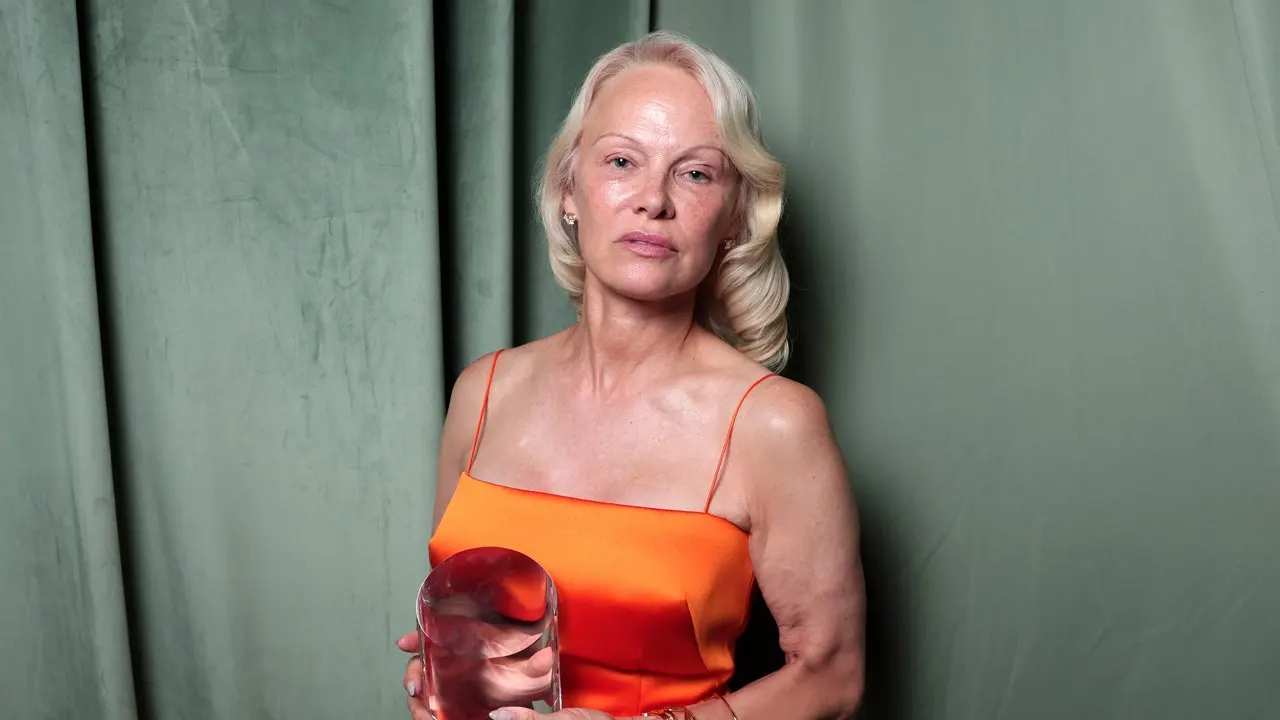
Pamela Anderson’s Hepatitis C Journey: From Shame to Strength and Career Reinvention
In the late 1990s, a young Pamela Anderson faced a life-altering diagnosis that would reshape her career and personal life: hepatitis C. Decades later, her candid reflections on the disease, financial sacrifices, and triumphant comeback offer a powerful narrative of resilience.
The Diagnosis That Changed Everything
In the late 1990s, when Anderson was diagnosed with hepatitis C, the disease had no known cure. The condition, which she publicly linked to sharing needles with her then-husband Tommy Lee (who has denied this account), left her grappling with fear, not of death, but of its impact on her young children. “My decisions were colored and corrupted by this,” she said. The stigma of the disease compounded her struggles, embedding a sense of shame that haunted her for years.
The Cost of Survival: A Financial Gamble
“Ten blurry years later, there was a cure. I was lucky. I was offered it in its early stages, and it took everything I had in my bank to pay for it. It wasn’t covered by insurance yet, and I felt tremendous guilt that others weren’t granted the same access.”
When a cure became available in the mid-2010s, Anderson faced another hurdle: the cost. Experimental treatments were prohibitively expensive, and insurance coverage lagged. She drained her savings to access the FDA-approved regimen, a yearlong process that cleared her of the virus by 2015. Yet, as she reflected, the guilt of having access while others did not lingered deeply.
Rebuilding a Career and Identity
Anderson’s journey back to Hollywood began after her recovery. She channeled her experiences into her work, earning critical acclaim for roles in films like *The Last Showgirl* and *The Naked Gun*. Her latest project, *Place to Be*, premiered at the Venice Film Festival, marking a full-circle moment in her career. But beyond the spotlight, she has become an advocate for hepatitis C awareness, using her platform to highlight disparities in healthcare access.
Confronting Shame and Embracing Strength
“It felt like it was carved into my forehead: damaged goods,” Anderson recalled, referencing both her hepatitis C diagnosis and childhood trauma. Yet her evolution from victim to victor underscores a broader narrative. “I’m not the damsel in distress,” she asserted. “I am strong and capable, more now than I could ever dream of.” Her story resonates not just as a celebrity’s redemption arc, but as a testament to overcoming systemic inequities in healthcare.
| Timeline of Pamela Anderson’s Hepatitis C Journey | Key Events |
|---|---|
| Late 1990s | Diagnosed with hepatitis C; no cure available. |
| 2002 | Publicly disclosed her diagnosis. |
| 2015 | Completed FDA-approved treatment; declared virus-free. |
| 2020s | Career resurgence with *The Last Showgirl* and *The Naked Gun*. |
The Ongoing Fight for Healthcare Equity
Anderson’s story reflects broader challenges in the fight against hepatitis C, particularly for those without financial resources. While modern treatments like direct-acting antivirals can cure over 95% of cases, their high costs—often exceeding $84,000 for a full course—remain a barrier for many. Advocates continue pushing for expanded insurance coverage and global access initiatives.
“My truth has come through my work, finding ways to express myself through the arts,” Anderson said at amfAR’s Venice event. “It gave me the ammunition I needed, a fertile life to use and play in.”
From Patient to Advocate
Today, Anderson’s advocacy extends beyond her personal story. She partners with nonprofits like amfAR to fund hepatitis C research and education, aiming to reduce stigma and improve access to care. Her message is clear: “I’m not a victim, I’m a victor.”
Entertainment, People, Health, Society, News, amfAR, hepatitis C, healthcare equity, Tommy Lee, Venice Film Festival

