

Between November 2025 and June 2026, 106 confirmed cases were reported in 13 European Union/European Economic Area (EU/EEA) countries and the UK. The outbreak mainly affected children and young people, with at least 49 people requiring hospitalization.
Cases of the disease have been reported in Austria, the Czech Republic, Denmark, Estonia, France, Germany, Hungary, Latvia, Lithuania, the Netherlands, Norway, Poland, Sweden and the UK.
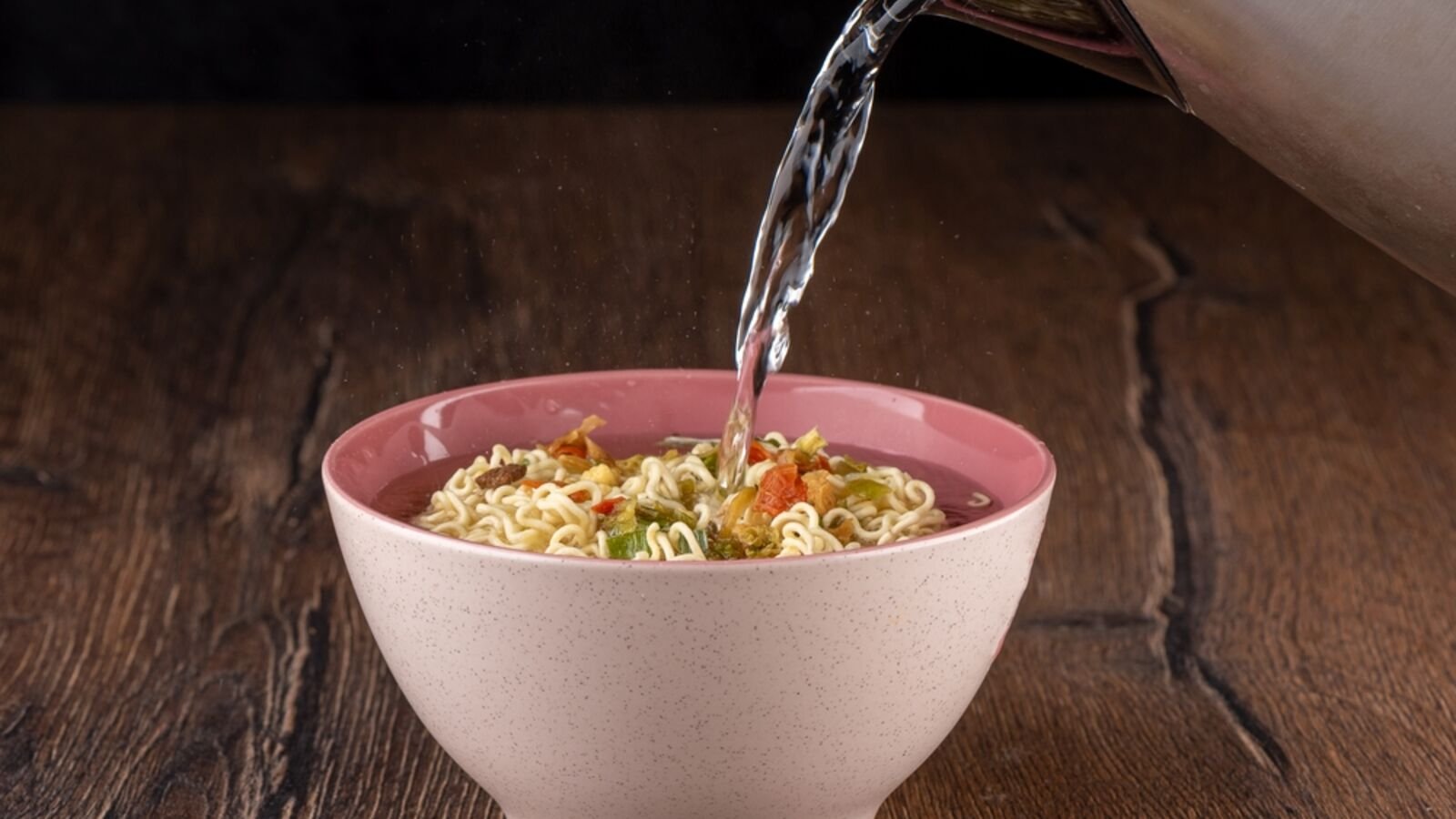
Evidence Points to Flavored Noodles
Epidemiological investigations have shown that patients in Denmark, Estonia, Germany, Latvia and Lithuania consumed the same brand of flavored noodles.
Microbiological evidence further supports an association with the outbreak strain. The subtype of a microbe is determined by its genetic structure; for example, in case coli O157, the “O157” part of the name, refers to a strain found in Germany and Lithuania in chicken-flavored noodle and chicken-flavored hot noodle products. The investigation linked the products, which were distributed in several countries, to the same manufacturer in Ukraine. This suggests a possible common source of contamination at the manufacturing plant level, although further research is needed.
Other strains Salmonella were found in products of the same brand, suggesting that there may be more than one source of contamination.
Controls and risks
Food safety authorities in affected countries have implemented control measures, including withdrawals and recalls of affected products, which will reduce the likelihood of new infections associated with this outbreak.
However, the main cause and point (or points) of contamination have not yet been identified. Therefore, it is likely that new cases may arise, especially since these products have a long shelf life and can be stored in the home kitchen for a long time.
Advice for consumers
Consumers should not eat products that are part of the recall and should return them to the point of sale or throw them away.
Consumers should strictly follow label instructions for products that require additional preparation before consumption. Good food hygiene during preparation is also important.
Further investigations
Public health authorities are encouraged to interview any new cases, sequence isolates where possible, and share information with ECDC.
Food safety authorities are encouraged to continue to investigate suspect products as a source of infection and determine the source of contamination, including whether it is related to one or more ingredients.