
Iran-Saudi Tensions Intensify as Trump Throws Down Ultimatum at Tehran
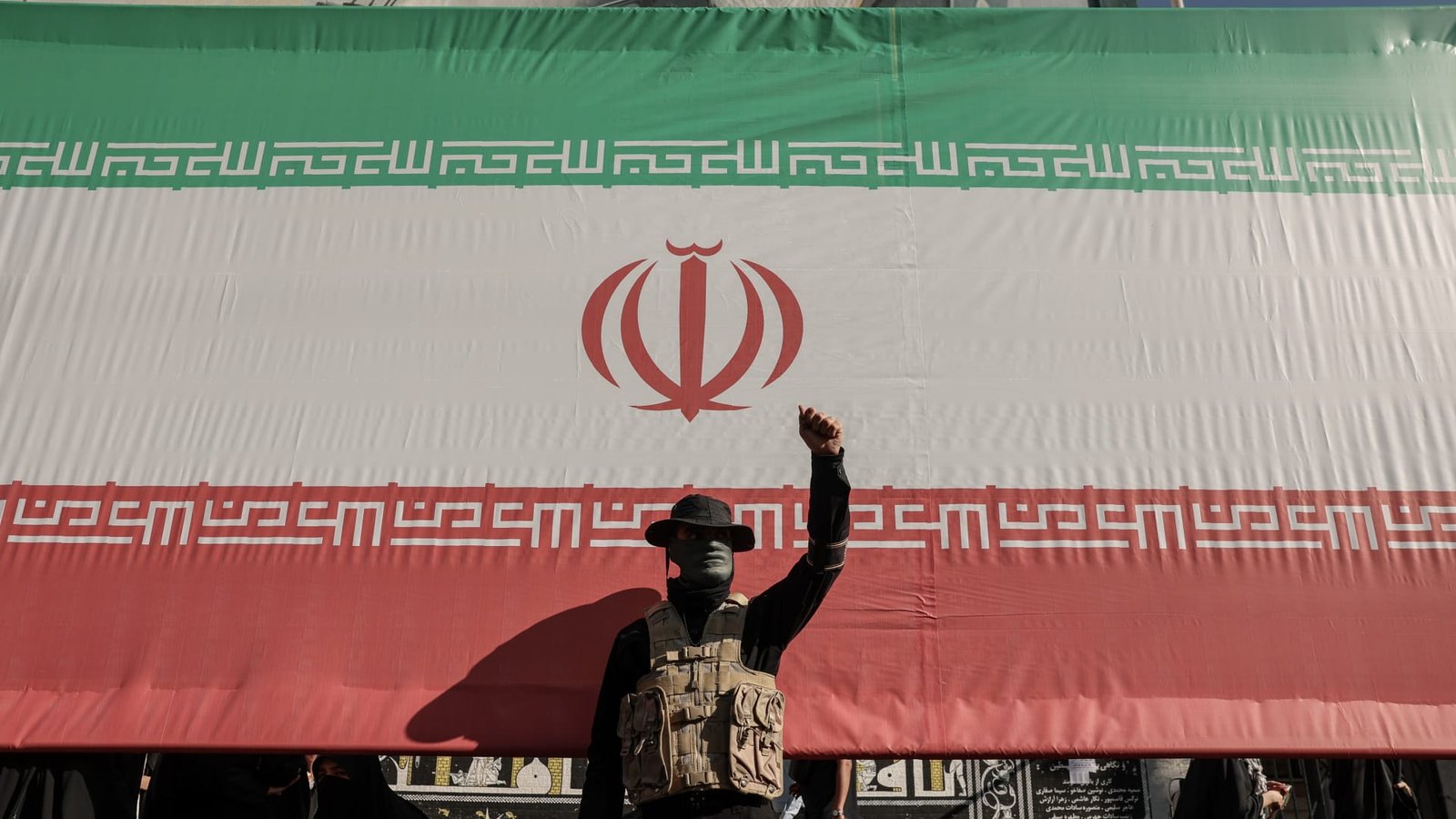
As fuel tankers loaded with Iraqi oil arrived at the Baniyas Oil Terminal in Tartus province, Syria, on September 13, 2026, the region’s simmering conflict reached a new flashpoint. Iran’s military leadership characterized U.S. President Donald Trump’s recent threats toward Tehran as “a sign of strategic desperation,” warning that the United States stands ready to inflict strikes “more crushing” than those delivered earlier in the seven‑month confrontation. The exchange underscores escalating hostility between Washington and Tehran, while simultaneously highlighting the precarious state of maritime trade routes that underpin global energy supplies.
Strategic Desperation Amid Escalating Hostilities
In a sharp rebuttal to American rhetoric, Iran’s General Staff issued a forceful condemnation of President Trump’s remarks. The military brass declared that the president’s warnings amount to “America’s strategic dead end in its aggression against the Iranian nation.” They emphasized that repeated baseless claims and threats—amid the exhaustion of U.S. military capacity—represent not strength but rather a desperate attempt to justify further aggression.
During his address to the United Nations General Assembly on Tuesday, Trump presented a stark binary choice: either negotiate a settlement with Iran or pursue “annihilation” of the Islamic Republic. The president asserted confidence that a deal would emerge following the November midterm elections, suggesting that Iranian leaders are awaiting the outcome of the U.S. electoral contest before finalizing any compromise.
“Will a deal be made with Iran? Or do I annihilate the Islamic Republic, and do it quickly?” Trump declared to reporters, framing the conflict as a matter of immediate decision. His administration also urged all nations to enforce “complete economic isolation of Iran,” positioning the nation as a target for coordinated sanctions and diplomatic pressure.
Iran Demands End to Aggression and Restores Diplomatic Channels
Despite the confrontational tone of the exchange, Tehran has remained resolute in its demands for a definitive end to hostilities. According to regional media reports, Iran has engaged in negotiations with the United States through a Qatari mediator based in New York. The Iranian government outlined concrete conditions for concluding the war on all fronts, including:
- A halt to what Tehran describes as “acts of aggression” by the United States
- The termination of the naval blockade and broader economic warfare
- The release of Iranian assets and frozen funds
These proposals aim to restore critical maritime traffic through the Strait of Hormuz—a vital waterway that historically carried approximately one‑fifth of global oil and gas shipments prior to the conflict.
Strait of Hormuz Under Severe Pressure
The physical manifestation of the crisis is evident in the dramatic decline of commercial activity through the Strait of Hormuz. Data from Kpler indicates that confirmed transits averaged just 6.98 million barrels per day in the seven days leading up to September 20, representing roughly 38% of the pre‑war baseline of 18.3 million barrels daily. This contraction reflects both the operational challenges facing Iranian vessels and the broader disruption caused by sustained U.S. naval enforcement measures.
Iranian officials have warned that the strait is increasingly functioning as a “Saudi‑controlled shuttle corridor,” a characterization that underscores the geopolitical realignment occurring along the Red Sea and Persian Gulf corridors. The shift follows disruptive Houthi attacks earlier this month, which temporarily severed flows through the East‑West pipeline connecting Yemen’s port of Yanbu to the Red Sea. Consequently, Saudi Arabia has redirected much of its export volume to its Gulf coastline, altering traditional logistics patterns and increasing vulnerability to external pressures.
With interim peace agreements collapsing and neither side signaling a near‑term restart of formal talks, the region faces heightened risk of miscalculation. The collapse of the July‑signed interim accord left both Washington and Tehran uncertain about the timing and mechanism of future negotiations, leaving the possibility of renewed violence hanging in the balance.
Humanitarian and Economic Fallout from Sanctions
The economic consequences of the conflict extend well beyond battlefield calculations, impacting civilian populations and global energy markets alike. Iranian crude exports have effectively dried up since the resumption of U.S. naval blockades, with loading rates plummeting to zero in September compared to 893,000 barrels per day recorded in July.
Global oil benchmarks have responded to these disruptions. Brent crude futures rose 1% to $100.32 per barrel, while West Texas Intermediate (WTI) futures increased 0.3% to $90.88 per barrel. These movements reflect investor concern over potential supply constraints as the Strait of Hormuz continues to experience record‑low throughput.
For ordinary Iranians, the economic fallout translates into diminished access to foreign currency, restricted banking operations, and declining import capabilities. The combined effect of military pressure and economic coercion has created a dual crisis that threatens both national stability and regional prosperity.
Ongoing Negotiations Through Qatari Mediation
Despite the intense rhetoric, diplomatic channels remain open. Tehran has maintained engagement with Washington through a Qatari‑mediated framework, with negotiations focused on establishing a durable ceasefire and phased de‑escalation. The proposed roadmap includes:
- Immediate suspension of military operations across all fronts
- Gradual lifting of the naval blockade on Iranian ports
- Release of detained Iranian assets and restoration of financial transactions
Senior Iranian officials have indicated that Tehran could potentially reopen the Strait of Hormuz within a week should the United States ease military pressure and lift its blockade of Iranian ports. Such a move would represent a significant step toward normalizing trade relations and reducing the risk of accidental escalation.
Regional Security Landscape and Future Outlook
The broader security environment in the Middle East has become increasingly volatile. The concept of a “Saudi‑controlled shuttle corridor” highlights how shifting alliances and infrastructure investments are reshaping maritime commerce. Meanwhile, the Houthi attacks that disrupted Red Sea lanes earlier this year have forced Gulf states to recalibrate their defense strategies and diversify supply chains.
The collapse of the July interim peace agreement has left both sides in a state of uncertainty. Neither Iran nor the United States has yet announced a concrete timeline for resuming formal talks, creating a dangerous vacuum that could be exploited by extremist groups or lead to unintended flare‑ups. Analysts warn that continued brinkmanship risks destabilizing the entire region, with cascading effects on global energy security and international trade.
Key Statistics on Maritime Traffic Decline
| Metric | Pre‑War Baseline | Recent Average (7 Days) | September 2026 |
|---|---|---|---|
| Daily Transit Volume | 18.3 million barrels/day | 6.98 million barrels/day | ~6.98 million barrels/day |
| Iranian Crude Loadings | 893,000 bpd (July) | Zero bpd (September) | Zero bpd (September) |
These figures illustrate the severity of the disruption. With less than 40% of pre‑war traffic moving through the strait, the region faces persistent bottlenecks that threaten global energy flows. The reliance on alternative routes—such as the Persian Gulf’s own waterways—remains insufficient to offset the loss of Hormuz’s capacity.
As the world watches the unfolding drama between Washington and Tehran, the stakes extend far beyond bilateral rivalry. The interplay of military posturing, economic coercion, and diplomatic maneuvering will determine whether a sustainable resolution emerges or whether the conflict spirals into wider regional instability.
In summary, the current phase of the Iran‑U.S. standoff is defined by escalating threats, deteriorating maritime traffic, and fragile diplomatic efforts. While Iran insists on a negotiated exit from the conflict, the United States maintains its willingness to impose severe penalties should negotiations stall. The fate of the Strait of Hormuz—and by extension, global energy markets—will depend on whether both sides can translate rhetoric into tangible progress before the next opportunity for dialogue arises.
News, Government, Business, Finance, Society

