
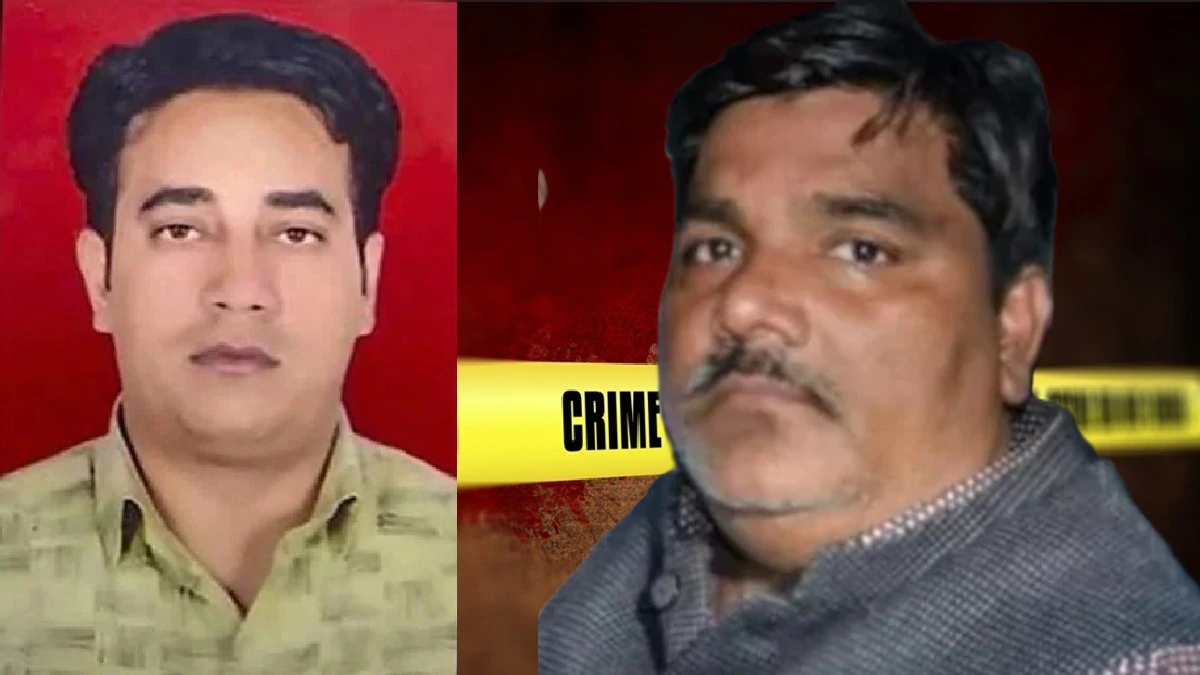
The Karkardooma court in Delhi has found former MCD councilor Tahir Hussain guilty of murdering IB (Intelligence Bureau) officer Ankit Sharma during the 2020 Delhi riots. This decision came after nearly six years of investigation, witness testimony, forensic examinations and trial. Let’s find out what happened 6 years ago? How did Ankit Sharma become a victim of mafia? And how did Tahir Hussain become the main accused?
read more
February 17-23, 2020
Tension has started to rise in many areas of northeast Delhi in support and against the Citizenship Amendment Act (CAA). The most vulnerable areas of the capital were Jafrabad, Maujpur, Chandbagh, Karawal Nagar and Khajuri Khas.
February 24, 2020
Violence erupted in northeast Delhi. There were incidents of stone pelting, arson and shooting in many areas. Police sent additional forces to the area, but violence continued to spread.
February 25, 2020
It was the day 26-year-old IB officer Ankit Sharma left his house to collect some things. After that he disappeared. His family searched for him for a long time, but could not find him. On the same day, accusations of stone pelting and petrol bombs were hurled from the roof of Tahir Hussain’s house in Chandbagh area.
February 26, 2020
There was a sensation when Ankit Sharma’s body was found in the Khajuri Khas drain in Delhi. During the autopsy, dozens of wounds from sharp weapons were found on his body. His father Ravindra Kumar filed a complaint against Tahir Hussain and others accusing him of murder.
February 27, 2020
The Delhi Police has formed an SIT and started investigating the case. Forensic experts examined the scene of the incident.
March 2020
Delhi Police has arrested Tahir Hussain. It is alleged that during a search of his house, a large quantity of stones, material for making incendiary bombs, packets of acid, slingshots and other materials were found on the roof. Police claimed that Tahir’s house became a base of operations for the rioters.
June 2020
This was the time when the Delhi Police filed a chargesheet in this case. The chargesheet alleged that Ankit Sharma was caught and brutally killed by the mob and his body was later thrown into a drain.
2021-2022
During these two years, the testimony of many eyewitnesses was recorded in this case. The court was presented with a forensic report and electronic evidence.
March 23, 2023
The Karkardooma court framed charges against 11 accused, including Tahir Hussain, for murder, rioting, criminal conspiracy and other sections. The court said that prima facie there is sufficient material on the basis of which a case can be filed.
2023-2025
During these two years, the prosecution recorded statements from police officers, forensic experts, eyewitnesses and other witnesses. The defense denied the charges and maintained their innocence.
July 13, 2026
The Karkardumaa court found Tahir Hussein and the other accused guilty. The court accepted that the prosecution was able to prove the charges.
Ankit Sharma murder case
Ankit Sharma worked as a security assistant in the Intelligence Bureau (IB). He lived with his family in Khajuri Khas area of northeast Delhi.
On February 24 and 25, 2020, as communal violence in Delhi reached its peak, stone pelting, arson and shooting continued in Chandbagh and surrounding areas.
On February 25, Ankit Sharma left his house to buy some household items. After this, his family could not contact him. The next day, his body was found in the Khajuri Khas sewer. According to the forensic report, a large number of injuries and acute gunshot wounds were found on his body.
Police alleged that they were surrounded by a crowd, brutally attacked, and after the murder, the body was thrown into a drain. The case became one of the most talked about cases of the Delhi riots as the deceased was a Central Intelligence Agency officer.
How did Tahir Hussain end up trapped?
According to Delhi Police investigations, Tahir Hussain’s house allegedly remained the main hideout of rioters during the riots. The police presented several reasons during the investigation.
father’s complaint
Ankit Sharma’s father Ravindra Kumar stated in the FIR that stones, petrol bombs and gunfire were constantly pelted from Tahir Hussain’s house and his son was killed in the same violence.
eyewitness testimony
Police recorded statements from several eyewitnesses who claimed that Tahir Hussain was present at the scene and led or incited the crowd. The prosecution presented these statements to the court during the trial.
Forensic Science and Crime Scene
Police said they found a large quantity of stones, petrol bomb making materials, packets of acid, a slingshot and other items on the roof of Tahir Hussain’s building. The prosecution called this a sign of preliminary preparation.
electronic and conversation recordings
Investigating agencies also presented the court with CDR (call recording), mobile phone location and other digital evidence that the prosecution linked to the conspiracy and presence at the crime scene.
charge sheet
The Delhi Police chargesheet alleged that Ankit Sharma was systematically harassed, attacked by a mob and his body was thrown into a drain after the murder. The prosecution named Tahir Hussain as the main accused in the alleged conspiracy.
What did the defense want to say?
Tahir Hussain maintained his innocence throughout the trial. He said he was accused for political reasons and that he also sought police help during the incident. However, the prosecution presented its case against him based on the witnesses presented, forensic evidence and other evidence that the court considered sufficient to convict him. The final verdict will be announced separately after conviction.
—- End —-