

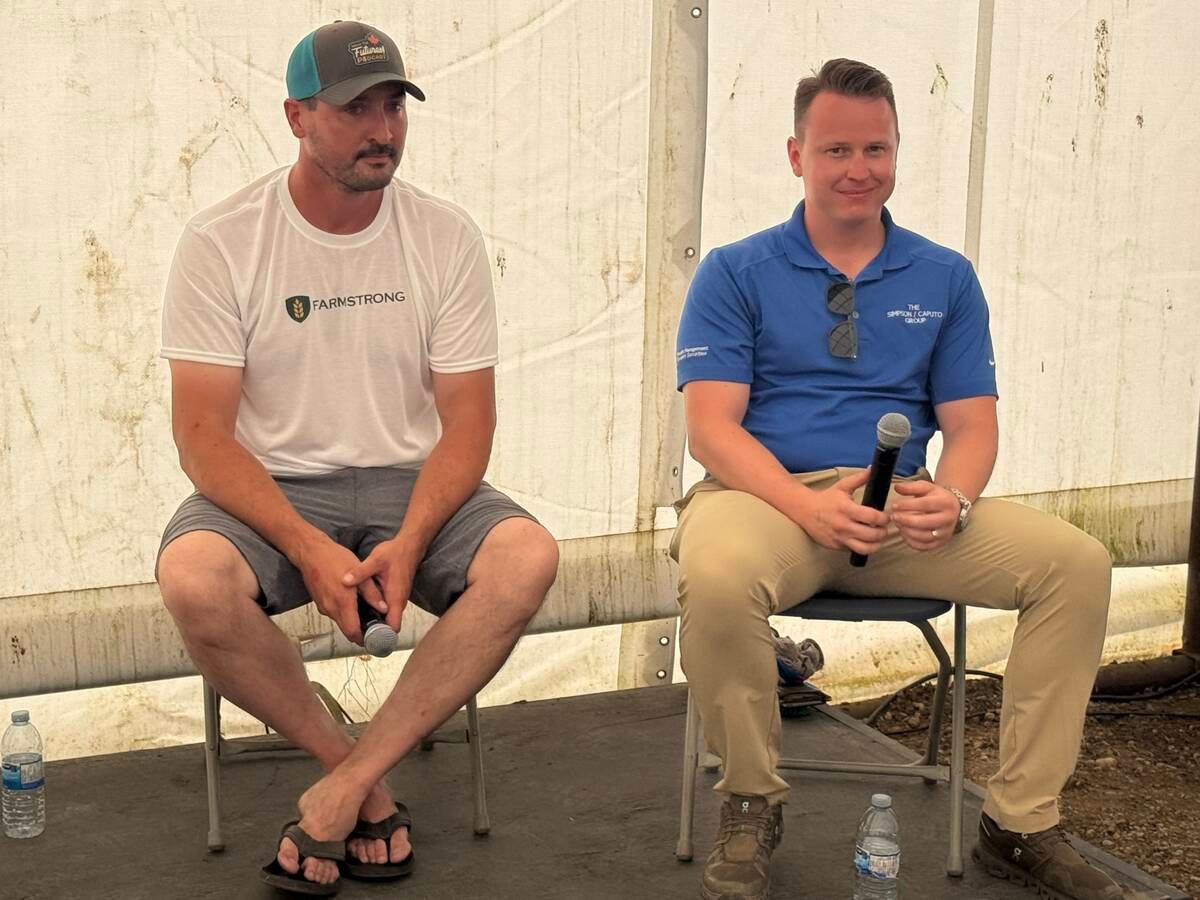
LANGHAM, Sask. — Nathan Kuhn paid for information, took courses and watched hours of YouTube videos on how to hedge grain prices.
“I can tell you right now, save all your time,” he told farmers attending a fireside chat hosted by RBC at the 2026 Ag in Motion (AIM) show near Langham.
You can follow all of our Ag in Motion coverage here.
The Reward, Sask., farmer said he learned everything he needed to know from his broker Tyler Durst, a commodity futures specialist at RBC Dominion Securities’ Simpson/Caputo Group.
Kuhn has learned many lessons over the past 10-plus years of using hedge accounts.
One is that hedging is not intuitive or attractive to all participants in agricultural activities.
“I don’t want to say they don’t understand it, but my brother doesn’t care,” he said.
“He can fix any equipment you walk past today, but when it comes to grain marketing, he says, ‘Nathan, you can handle it.’ »
Read also

For Kuhn, hedging has become a passion and an integral tool for managing risk on the farm.
Hedging can be an important tool in today’s volatile grain markets.
Durst said many farmers mistakenly believe hedging is a way to make money, when in fact it is about reducing price risk on crops.
Kuhn described it a little differently, calling hedging a way to answer many of the “what if” questions that farmers have when they are looking to sell their crops.
Hedging allows him to sleep at night when he has just sold a crop of barley worth 80 bushels an acre and a storm threatens to destroy it and make it impossible to fulfill the contract.
This doesn’t mean it’s a panacea.
If Kuhn sells his canola at $836 per ton and buys a $40 call option and it expires, he will lose that money.
“You took a loss, but you sold your canola for the highest price on the market,” Kuhn said.
“You probably won’t care.”
But there are terrible days.
“If you do this long enough, you’ll get a margin call, and it’ll probably be bad,” he said.
That’s why Kuhn writes down every grain sale or futures position in a black book, with a note next to each trade explaining his thoughts at the time, so he can look back at those trades and understand why he ended up on the wrong side of the market.
Durst always explains to farmers what could happen if the worst case scenario occurs so they are prepared.
That’s why he likes to know how much room a farm has on its operating credit line, because he doesn’t want margin calls to push that line to an uncomfortable level.
In this case, you should always consider other hedging options.
Durst said producers should know they are not locked into entering into futures or options contracts before they expire.
“These are stock trading products that you can put on one day and take them off in seconds,” he said during a presentation on AIM.
A farmer who suddenly finds himself in the midst of a serious drought may be able to get out of a contract if he needs cash flow.
“It’s very flexible. You can make changes when needed, and you can enter into and out of contracts as the situation on your farm and your operation changes,” Durst said.
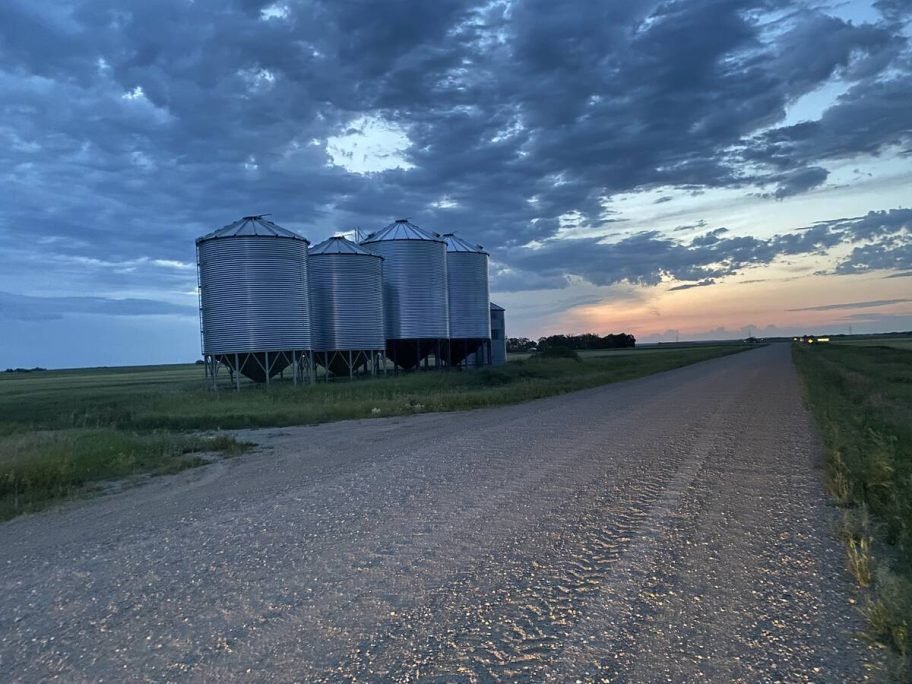
Hedging is seen as a way to answer many of the “what if” questions that farmers have when they are looking to sell their crops.
Photo:
File
Kuhn said canola can be the best and worst crop to hedge. It’s focused on Canada, but it’s a frustratingly illiquid market.
“I’m a big fan of soybeans. They trade very well. They move. There’s a lot of volume. You can get in and get out.”
Durst said wheat is the worst option because it is a difficult market.
“You’re juggling growing seasons in Europe, Russia, Ukraine, Argentina and Australia,” he said.
There are also many different varieties and protein spreads to consider.
Kuhn encouraged farmers to try working with multiple brokers and find one they can connect with.
He talks to Durst daily and knows the names of his broker’s wife, children and even his dog. He doesn’t hesitate to share all the details of his farming activities with Durst.
“It’s hard for farmers to give up this information. It is true. But the more information I give Tyler, the better he can protect me,” Kuhn said.
Durst constantly asks Kuhn how the crops are doing, whether there was hail, how much different crops are being sold to him, and other pressing issues.
Over time, Kuhn realized that not every sale needed to be hedged, and Durst often advised him not to hedge a particular sale.
Durst said hedging comes with costs, including premiums paid on option contracts and brokerage commissions.
Kuhn said the beauty is that you can tailor your hedging strategy to be as expensive or as cheap as you want.