

Tuesday, July 14, 16:09
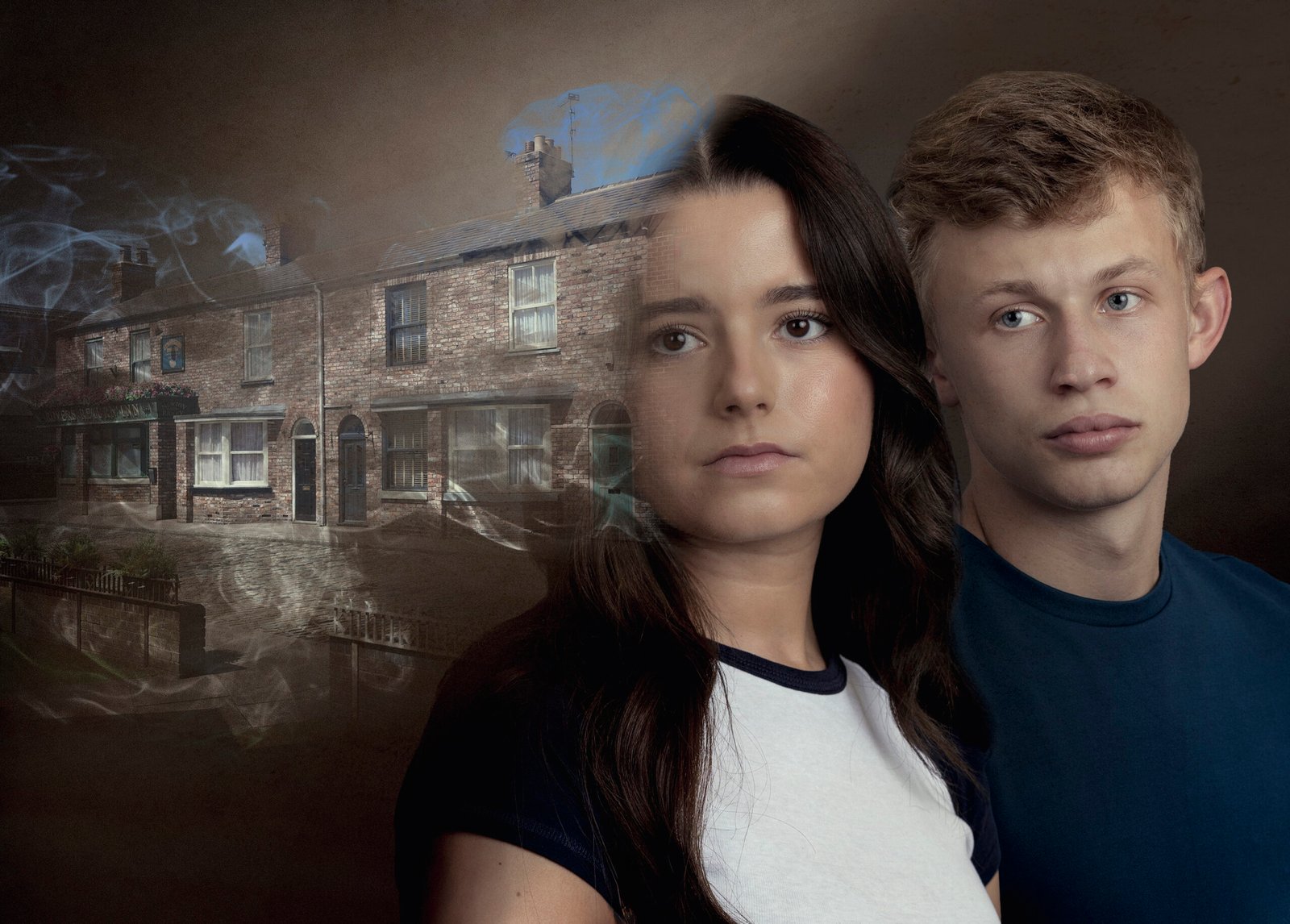
Tonight on Coronation Street, a heart-wrenching new storyline explores the devastating, life-altering realities of non-fatal strangulation. After Ryan (Ryan Prescott) discovers an unconscious Betsy (Sydney Martin), she is rushed to the hospital, where doctors confirm that she has suffered a stroke caused by a blood clot, which was the result of a damaged neck artery due to temporary loss of circulation.
After she stabilizes from her second stroke, a confused and vulnerable Betsy eventually manages to reveal that Dylan (Liam McCheyne) strangled her during consensual sex, despite both believing the pressure applied was minimal.
Over the coming months, viewers will witness Betsy’s complex recovery journey as she transitions from hospital to home and experiences significant life changes. This storyline highlights the profound physical and emotional effects of having a stroke at such a young age as Betsy struggles to adjust to her new reality.
To ensure the medical accuracy of the narrative and raise critical awareness of the risks associated with strangulation, Coronation Street worked closely with the Institute for the Prevention of Suffocation (IFAS), the Stroke Association and Safeline. Their experts reviewed the scripts and met directly with the production team and actors to help responsibly portray this important storyline.
The storyline comes after a recent study by IFAS found that of more than 4,100 young people (aged 16 to 34), more than 55% had either been strangled or strangled someone else during sex. The data highlight that non-fatal strangulation poses a significant risk to young people, with a high prevalence noted among the 16–20 year age group, demonstrating that the potential for hidden injuries is widespread and often misunderstood.
Kate Brooks, producer of Coronation Street, said:
Coronation Street has always pushed the boundaries when it comes to telling complex, thought-provoking stories, and this story is no exception. Shining a light on the dangers of this all-too-common trend, we wanted to portray the story of Betsy and Dylan as they overcome the catastrophic consequences of a moment of naivety and the impact not only on them, but also on their families and society as a whole.
“Through intensive consultation with IFAS, the Stroke Association and Safeline, we have sought to treat Betsy’s journey with the care and sensitivity she deserves, while prompting a difficult and somewhat controversial conversation that helps raise awareness of the risks associated with engaging in such activities.”
Professor Kath White, medical director of the Institute for Anti-Strangulation (IFAS), said:
“We are grateful to Coronation Street for approaching this storyline with such care and commitment to medical accuracy. Non-fatal strangulation can lead to life-altering injuries, including stroke, even if there are no visible outward signs. There is no safe method of strangulation. We hope this storyline will help improve understanding of risks, challenge common misconceptions and encourage anyone affected to seek advice and support.”
About working on the drama, Juliet Bouverie OBE, chief executive of the Stroke Association, said:
“As one of the world’s most iconic and long-running soap operas, we thank Coronation Street for its stroke storyline. Although the cause of Betsy’s stroke is rare, her experience shows strongly that stroke can happen at any age and the consequences can be devastating.
“From the outset, the team has demonstrated a real commitment to understanding not only the medical emergency associated with stroke, but also what happens after it: the physical, emotional and psychological challenges of recovery, and its impact on someone’s personality, independence, relationships and future.
“We worked closely with Sydney Martin and the Coronation Street production team to offer our guidance and advice on Betsy’s stroke and recovery. Stroke doctors, stroke survivors and teams from across the Stroke Association helped support a realistic and authentic portrayal of Betsy’s stroke and recovery on screen.
“Around 85,000 people in the UK experience a stroke each year, but the recovery can be long, challenging and life-changing. We hope Betsy’s story will help raise awareness of stroke among viewers, including younger audiences, and encourage people to recognize the signs.”
“If you think you or someone you know is having a stroke, you should act FAST and call 999. A stroke is a medical emergency. For anyone wanting to find out more about stroke and the support available, visit www.stroke.org.uk.”
You can watch tonight’s episode on ITVX and YouTube or ITV1 at 9pm.