
The French group will open LNG transport to Asia from a liquefaction plant, GLN’s first export point on Mexico’s Pacific coast.
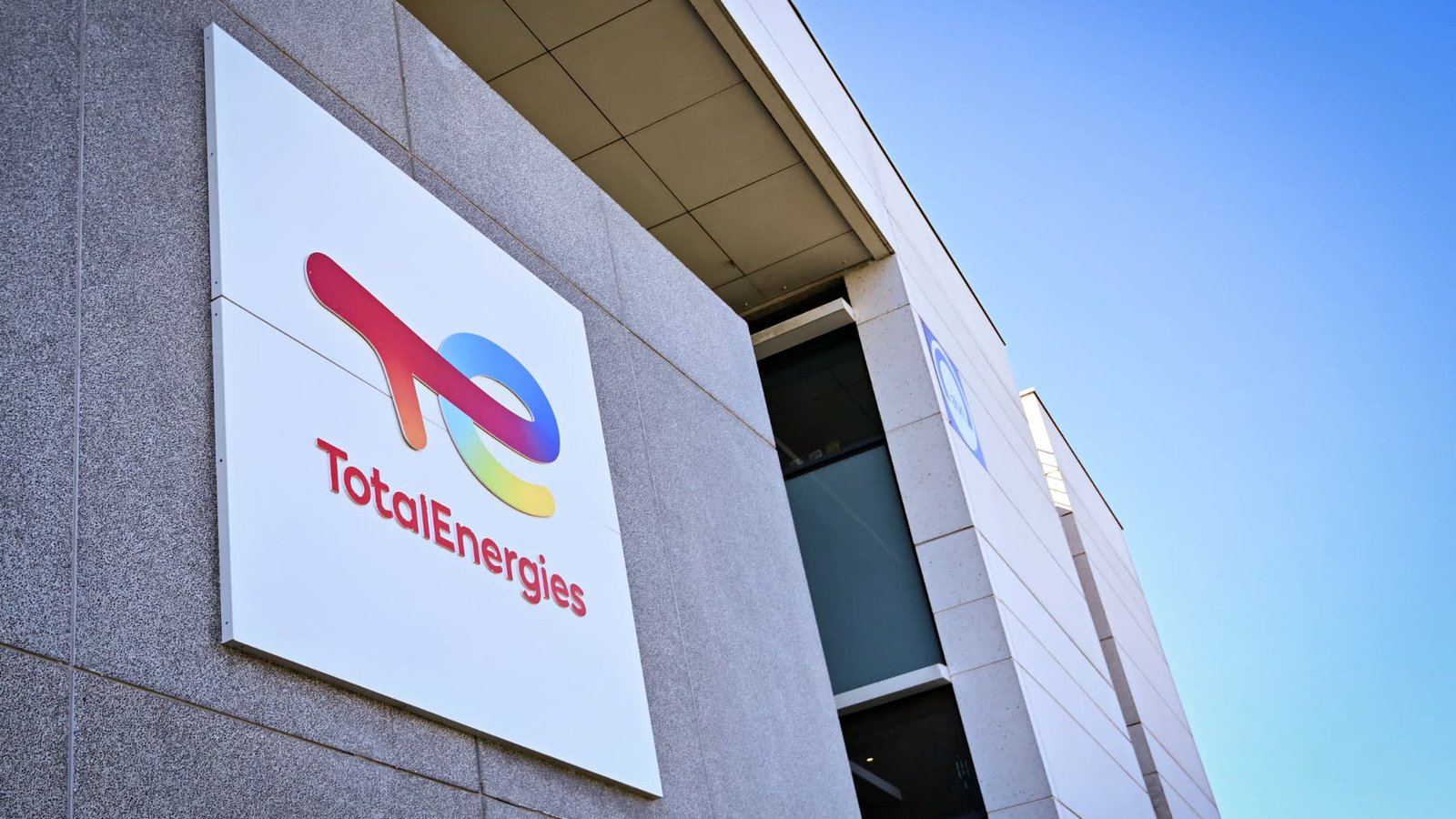
TotalEnergies is expected to announce on Thursday the first shipment of liquefied natural gas (LNG) to Asia from Mexico’s Pacific coast, offering the continent a supply alternative in the face of risks posed by the Strait of Hormuz.
With its strategic location in Baja California on Mexico’s west coast, the ECA natural gas liquefaction plant allows natural gas produced in the United States to be exported to Asia and other Pacific Rim markets, according to TotalEnergies.
Its advantage is that it is much less risky than the Strait of Hormuz, through which 20% of the world’s LNG typically passes and whose closure has particularly affected Asia, which depends in particular on Qatar.
Continued tensions in the Persian Gulf and uncertainty in the global LNG market are increasing interest in opening alternative routes, according to industry analysts. The main importing countries of Qatari LNG are China, India, Taiwan, South Korea, Pakistan, Bangladesh and Japan.
Production starts in June.
ECA LNG is the first LNG export terminal on the Pacific coast of Mexico. TotalEnergies owns a 16.6% stake along with Sempra Infrastructure. The terminal began producing LNG in early June and will continue its phased commissioning in the summer of 2026.
The French hydrocarbon giant will supply 1.7 million tons of LNG per year for 20 years, equivalent to 24 cargoes per year. It will be the sole buyer of LNG produced throughout the phase-in phase.
TotalEnergies is a leading LNG exporter to the United States, exporting 19 million tons in 2025, and has invested in several large LNG projects in North America. It is the world’s third-largest player in the LNG market, with 44 million tonnes traded in 2025 thanks to its interests in liquefied natural gas plants around the world.
Its goal is to increase LNG production and long-term procurement by 50% by 2030, while continuing to reduce carbon emissions and eliminate methane emissions associated with the gas value chain, the group says.