
Skip TTS playerContinue reading article
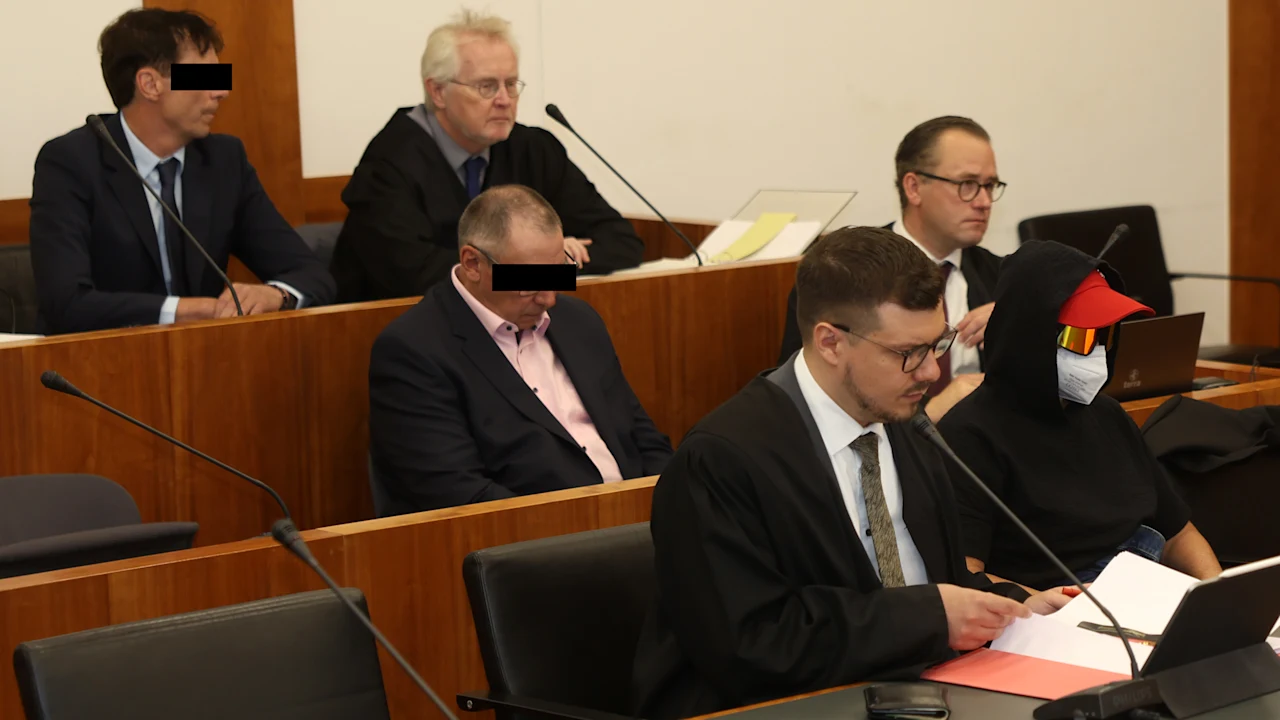
Kassel/Twistetal – Two came in stylish business suits, one in a red cap, ski goggles and an FFP mask. The three quickly make their way through the crowded corridor to room E 221 of the Kassel District Court, without answering the questions coming to them. Interest in the trial, which begins here on Monday, is enormous. This is nothing less than one of the biggest food scandals in German history. Because their moldy sausages are said to have killed 11 people.
Relatives of the victims had to wait almost seven years for justice. Her loved ones died because the sausage manufacturer Wilke from Twistetal (Hesse) According to prosecutors, he put economic interests above the well-being of his unsuspecting clients.
Moldy sausage hits the market
Dem Former Managing Director Klaus Peter Roloff (57 years old)his then-deputy Ronnie M. (55) and former production manager Frank Walter S. (58) are charged with, among other charges, eleven counts of negligent homicide, seven counts of negligent bodily harm, fraud and food law violations. Wilke was reported to have sold rotten, moldy and listeria-contaminated goods – and according to the StA, the defendants are to blame.
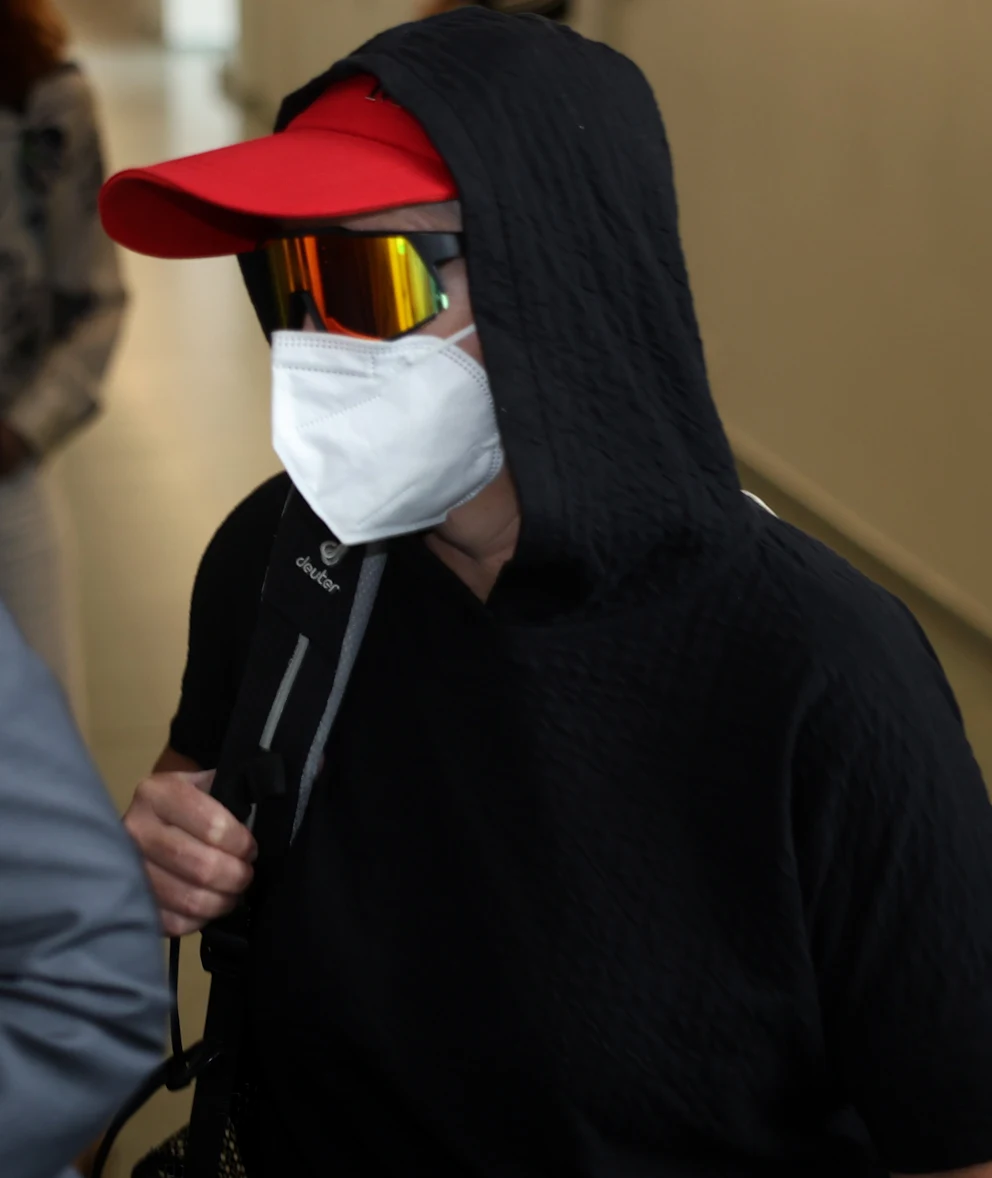
Petite Ronnie M. walks briskly into the courtroom wearing a mask.
The indictment consists of 224 pages.
Roloff and S. sit down in the dock and lower their heads. The main accused watched with concern as the first parts of the 224-page indictment were read and took careful notes. Ronnie M. took off his glasses and continues to look at Richter and Prosecutor. Frank Walter S. seems to be constantly ashamed.
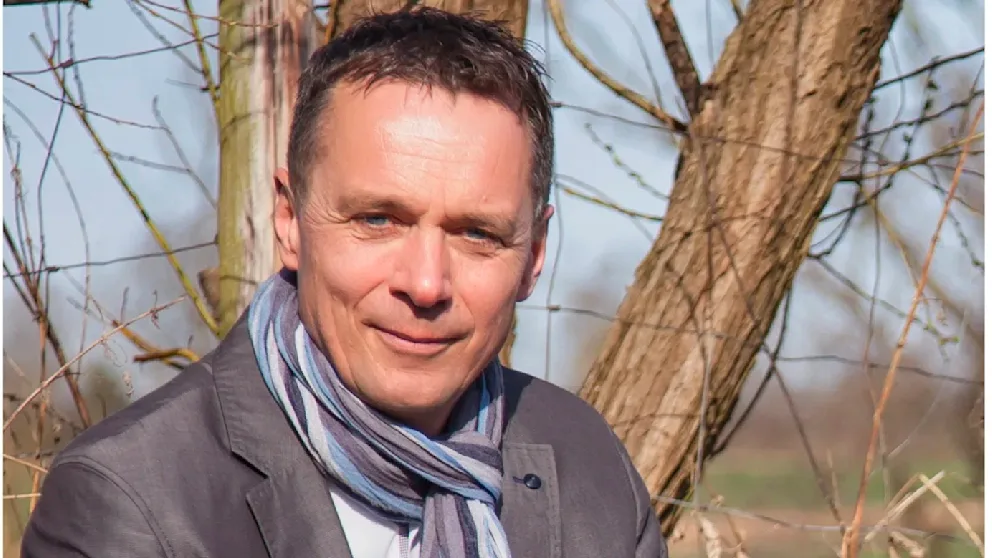
Former Wilke-Wurst boss Klaus Roloff
According to the prosecutor’s office, the sausage contaminated with listeria had been on the market for almost five years. The victims (47–86 years old) were reported to have died as a result of the infection. Many of the victims were Patients in hospitals or nursing home residents. The Robert Koch Institute later succeeded in linking the disease to a common bacterial strain.
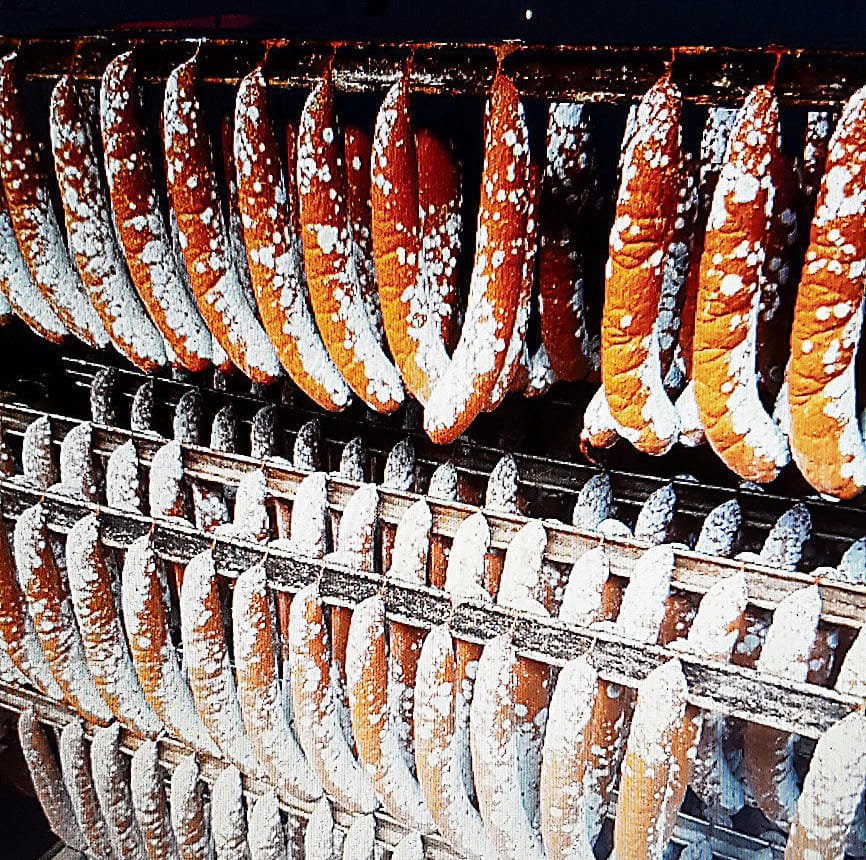
Moldy salami on a hook
Sausage factory called a breeding ground for microbes
The trail led to Wilka – and, apparently, it turned out to be a direct hit. The indictment speaks of “catastrophic sanitary and hygienic conditions,” and photographs show incredible conditions at the plant: completely moldy sausages and rolls, dirty production facilities, the smell of rotting. Inspectors described the farm as an ideal breeding ground for listeria. According to the prosecution, they must also: damaged goods processed and some were resold with new expiration dates. Among other things, beer ham, cervelat sausage and chicken schnitzel are mentioned. Even internal tests that yielded positive results for salmonella and listeria, the company did not recall the products.
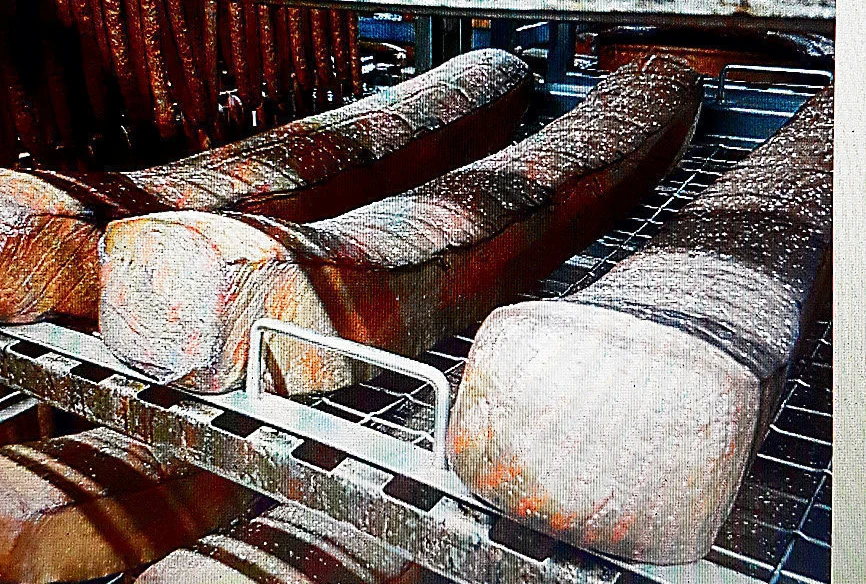
Kilograms of meatloaf went moldy in the Wilke production hall
A decision is expected no earlier than mid-August
Vilke was charged at the end of 2022, after which the regional court first had to deal with the physical evidence, consisting of 160 folders. Rohloff is also accused of delaying the bankruptcy. His company was reported to be insolvent at the end of 2018. However, the application was submitted only in October 2019.
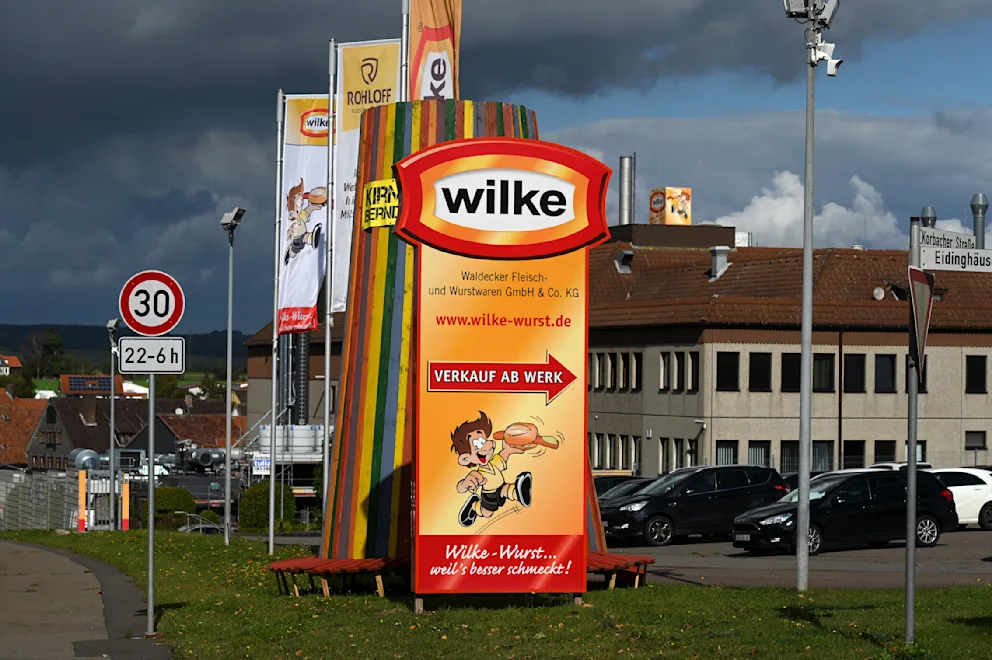
Former Wilke factory in Twistetal.
Now the big question is: can it be proven that Wilke’s contaminated sausage caused the deaths of eleven people? Prosecutors suggested the possibility of shorter prison terms in the event of a full confession. Until a verdict is reached, relatives and victims will have to wait another five weeks and endure 14 more hearings.
The trial will continue on Wednesday.
The trial ended in just under two hours and 45 minutes and will continue on Wednesday. The experts must then testify and, among other things, clarify what effect Listeria had on the affected patients and how they ultimately became ill or died.
Lawyer Fabian Schöpke, representing defendant Frank-Walter S., said after the start: “Today we noticed that everything started very unevenly. Those points that were important for the defense were obviously not considered important.” This process focuses on numerous scientific questions that only experts can answer.