

(Miami) How did a country, independent for only 50 years, with a population barely larger than that of Laval, manage to advance to the second round of the World Cup, ahead of Spain, Uruguay and Saudi Arabia?
To understand the success of Cape Verde, Argentina’s opponents this Friday in Miami, one must look into the heart of the archipelago.
Its islands have beaches with golden sand. Turquoise waters. Mountains that plunge into the Atlantic. Paradise? Not for everyone. Fresh water is rare here. Arable land too. In addition, the archipelago is prone to sandstorms from the Sahara. Consequence: The country frequently suffered from periods of severe drought and famine. That 1947 cost the lives of tens of thousands of people.
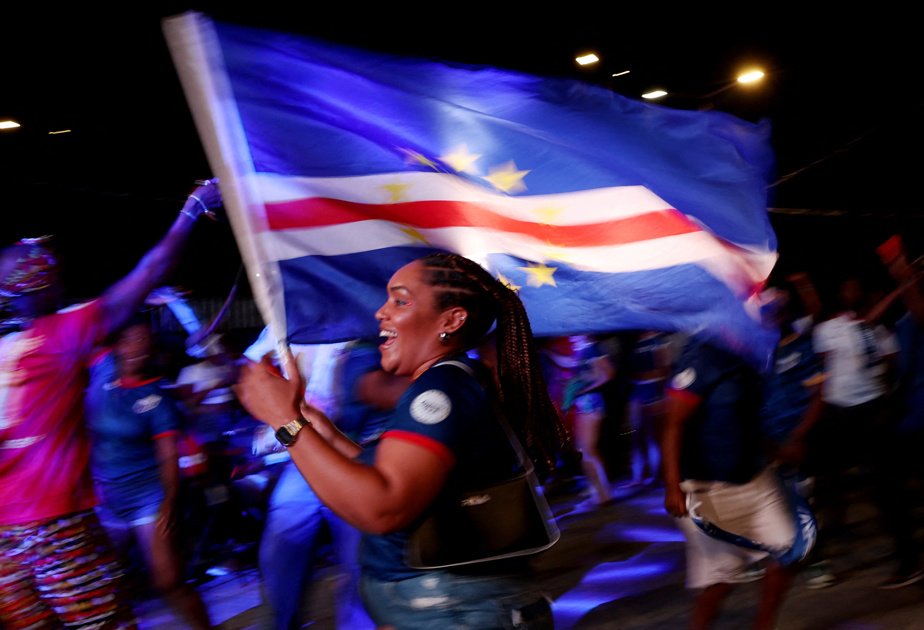
PHOTO BY SODIK ADELAKUN, REUTERS
On the streets of the capital Praia on the night of the match.
This reality is even written into the national anthem. “Bury the seed in the dust of a bare island.” In other words: keep building, keep hoping, despite adversity. Only over time, hundreds of thousands of Cape Verdeans chose a different path.
Exile.
In the 19th centurye century they left for New England. In New Bedford, then the whaling capital of the world. Cape Verdeans joined the crews as sailors. There they met other migrants: French-Canadians who had gone south in droves in search of work. Descendants of Cape Verdean sailors still live in large numbers in Massachusetts and Rhode Island.
Au XXe centuries, migration routes have diversified. Cape Verdeans visited São Tomé, Senegal, the Netherlands, France and Portugal. So much so that the Cape Verdean diaspora is now four to five times larger than the country’s population. A pool from which a national football team can draw, as FIFA allows footballers to represent their parents’ or grandparents’ country of birth.
Almost half of the Blue Sharks are the sons and grandsons of exiles. Such is the case with brothers Dera and Laros Duarte, born in Rotterdam, in the Netherlands, as with half a dozen players on the team.
Striker Daylon Livramento, also born in Rotterdam, is the grandson of Cape Verdeans. Her mother is a famous singer in the archipelago.
Roberto “Pico” Lopez’s Cape Verdean father was working on a boat docked in Dublin harbor when he met the defender’s future mother. Lopez was born and raised in Ireland. When he was in his early twenties, he worked in a bank. Only at the age of 24 did he start playing professional football. The offer to play for Cape Verde came four years later… through the networking site LinkedIn!
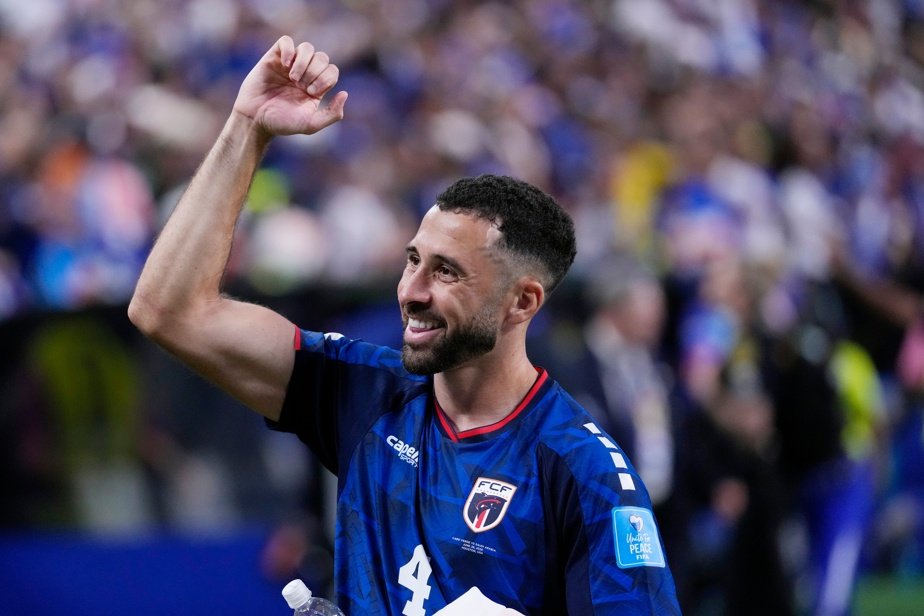
PHOTO BY DAVID J. PHILLIP, ASSOCIATED PRESS.
Pico Lopez
Stephen Moreira, who we often saw against Montreal in his Columbus Crew uniform, was born and raised in Paris. He even played for the France U21 team. He eventually decided to represent his parents’ home country.
“My parents were young when they left Cape Verde for France. They didn’t know anything in French. They were very careful to make sure my brother and I didn’t miss anything,” he told the Crew website last May.
“That’s why they believed in me. I’m glad I can return the favor. Everyone (in Cape Verde) can call them and say, ‘I’m so proud of your children.'”
But the Cape Verdean national team is not limited to the diaspora. The other half of the players were born and trained in the archipelago, where football is the most popular sport. Each island has its own championship. The winners then advance to the national championship.
The best players are sometimes recruited to foreign clubs. Example: Controversial captain Ryan Mendes, who is facing a rape investigation, played for Lille and Nottingham Forest.
And then there is the fascinating case of goalkeeper Josimar José Evora Dias, nicknamed Vozinha – literally “little grandmother” in the local language. Why Vozinya? Because as a child in Cape Verde, he interacted with older children who pushed him around. He then complained to his grandparents, with whom he lived, he told FIFA’s website in 2024. Hence his unique nickname.
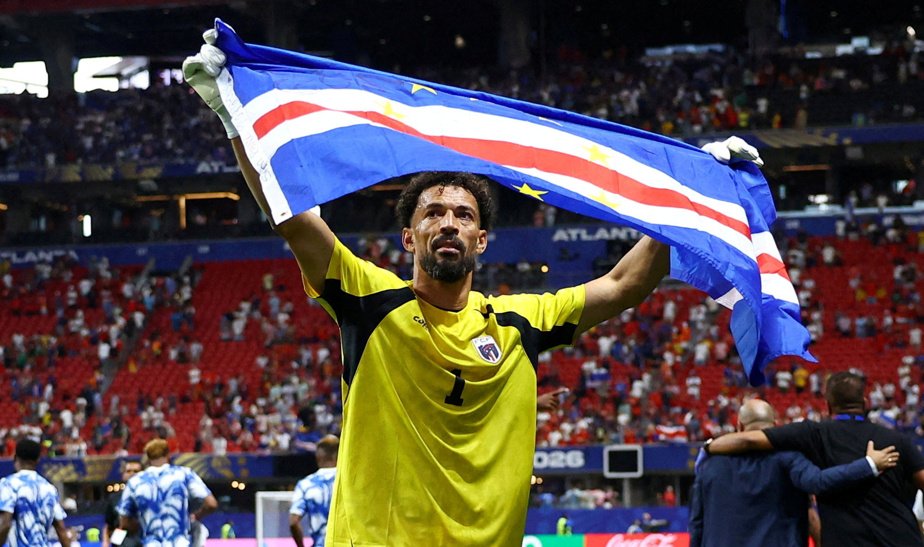
PHOTO SIBHEKO, REUTERS ARCHIVE
Josimar José Evora Diaz, surname Vozinha
At 40, Vozinha is one of the oldest players in the tournament. He is also one of the few who does not have a professional contract. His seven saves in the 0-0 draw against Spain two weeks ago made him an instant star. In just a few days, the number of followers on his Instagram account grew from 50,000 to… 17 million!
The Blue Sharks got this far thanks to Vozinier and the coherence of the defensive unit. Their next match against the Argentines, world champions, should logically be their last at this World Cup. Regardless of the outcome, good has already been done.
“We like challenges and difficulties. We like to overcome them. Our flag will fly among the flags of great football powers. That’s the main thing,” head coach Bubista said at a press conference in the first round.
“We have become an example of a small country that can achieve big goals, provided it demonstrates focus, determination and organization. We have shown that nothing is impossible.”
The match between Cape Verde and Argentina will take place in Miami this Friday at 18:00.
Cape Verde route
Cape Verde, an independent country since 1975, is participating in the World Cup finals for the first time. He got here by finishing first in his qualifying group, which included Cameroon, Angola, Libya, Mauritius and Eswatini. In the first round he had three draws: 0:0 with Spain, 0:0 with Saudi Arabia and 2:2 with Uruguay.