


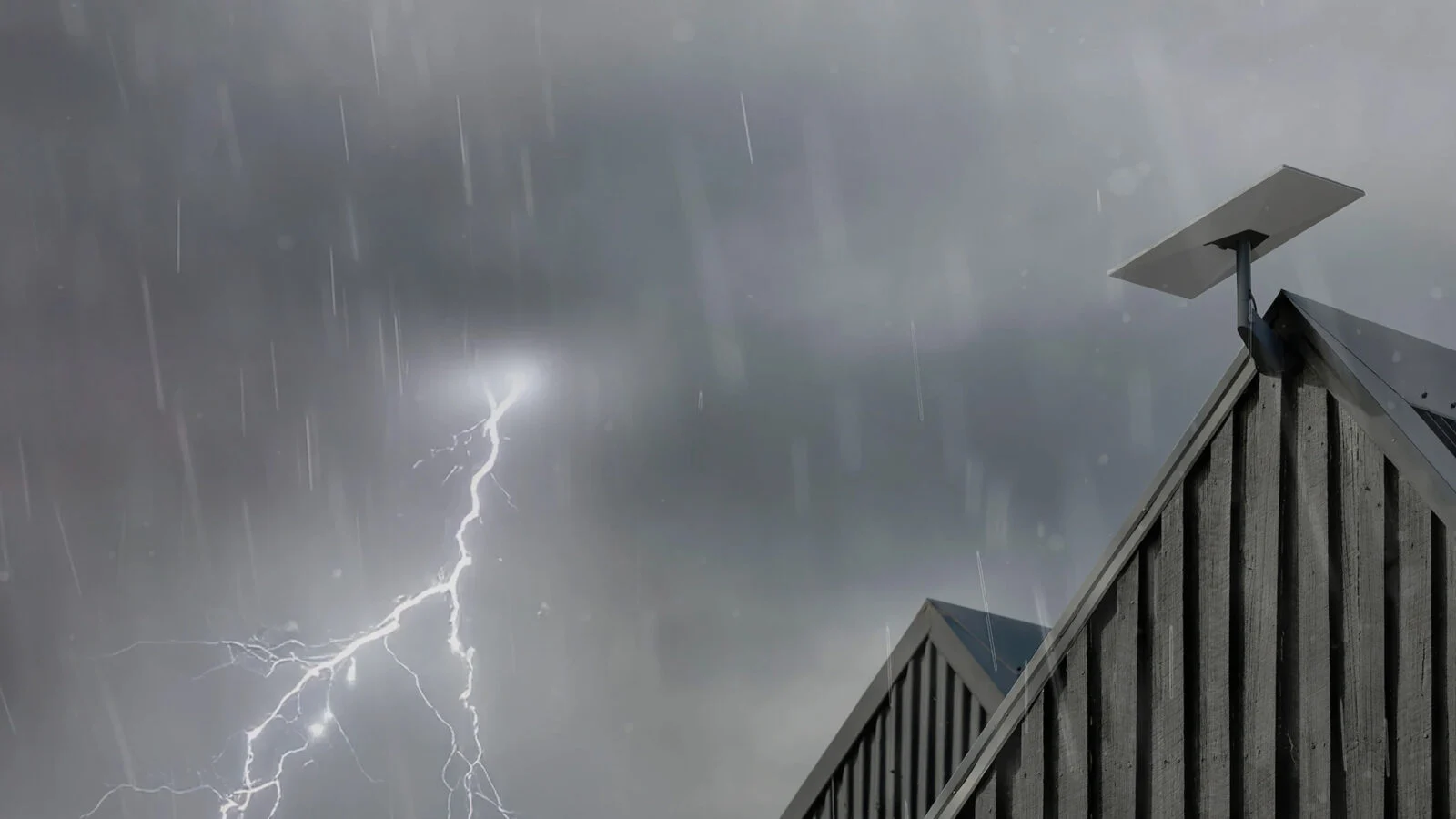
Angered by the European Commission’s plan to exclude it from mobile satellite frequencies in favor of Iris², SpaceX is slamming its fist on the table.
The tone between Elon Musk and Brussels is kicked up a notch and the battle has only just begun. Excluded by the European Commission from the future allocation of mobile satellite frequencies, the SpaceX group launches a counterattack of rare violence. Its Starlink subsidiary has just sent a European executive what appears to be an offensive lobbying document in an attempt to influence the rules currently under discussion. In this confidential document, which was seen by several media outlets, including Le Figaro, the American company condemns “major gaps” in the project for regulating access to spectral ranges.
Behind the legal arguments lies a thinly veiled threat: If Europe persists in pushing out American players to protect its own champions, the firm says it is prepared to cut the signal.
“We hope we can get that to make our system work.” Otherwise, we will have to turn off our satellites when they fly over Europe,” say those close to Starlink.
Brussels wants to protect its sovereign constellation Iris²
At the heart of this black anger lies a political decision taken by the European Commission. Taking into account tenders planned for 2027, Brussels has decided to secure two-thirds of the precious 2 GHz spectrum to reserve it exclusively for European operators such as Eutelsat or the future sovereign network Iris². These frequencies are critical because they enable the development of direct-to-device communications, a new technology that allows a standard smartphone to connect directly to a satellite in low orbit to make calls or send messages without any terrestrial relay.
For Elon Musk, who has already invested heavily in providing Starlink with global mobile capabilities, the European pie is slipping through his fingers. Europe plans to leave only the last third of the spectrum to international players, dividing it into two narrow blocks. SpaceX believes that such bandwidth is technically insufficient to provide very high speeds, and condemns users to only exchanging simple text messages on WhatsApp. For the US company, which already claims 15 million potential users in Europe through partnerships with landline operators such as Deutsche Telekom, the choice is a technical aberration driven by protectionism.
Ukraine was used as an argument for pressure
To force Brussels to bend before the text is presented to the European Parliament, SpaceX has not hesitated to put forward highly sensitive geopolitical arguments, starting with the war in Ukraine. Starlink recalls that its mobile service has become a vital infrastructure for Ukrainian emergency and military communications, as reported by Les Échos. However, frequency sharing in space follows strict rules set by the International Telecommunication Union (ITU), based on a first-come, first-served rule.
Read also: Starlink in 2026: after two years of stagnation, speeds are rising sharply in France
SpaceX says it has priority rights to the 2GHz spectrum after purchasing assets from rival EchoStar. The company argues that if Europe allocates these same frequencies to its own operators, ignoring international frameworks, it will create huge interference at the borders. If Poland uses the same band as the Ukrainian operator, the signals will overlap, which could simply block and shut down the network in Ukraine. Those close to the matter even ironically claim that the only way for Ukraine to lose access to Starlink is to join the European Union and comply with its rules.
Washington threatens Europe with immediate reprisals
The conflict now went beyond Europe and became a matter of state on the other side of the Atlantic. The head of the US telecommunications regulator, the FCC, has warned Europe that any discrimination against a US operator such as Starlink will lead to immediate and aggressive retaliation against European companies. The message is clear: if Starlink is banned in Europe, European Inmarsat or Eutelsat satellites could lose access to the giant American market.
Faced with this show of force and pressure from Washington, the European Commission is staying the course for now. For Brussels, transferring such an important asset for the next twenty years to an American company led by Elon Musk, considered “borderless” and politically very close to Donald Trump, represents an unacceptable sovereignty problem. Behind the scenes, SpaceX insists it does not want to declare all-out war and says it is willing to negotiate over the Commission’s safety requirements. But since the frequencies will be distributed over such a long period of time, neither side seems ready to give up.
👉🏻 Follow real-time technology news: add 01net to your Google sources and subscribe to our WhatsApp channel.
Source :
Financial Times