

New Delhi:
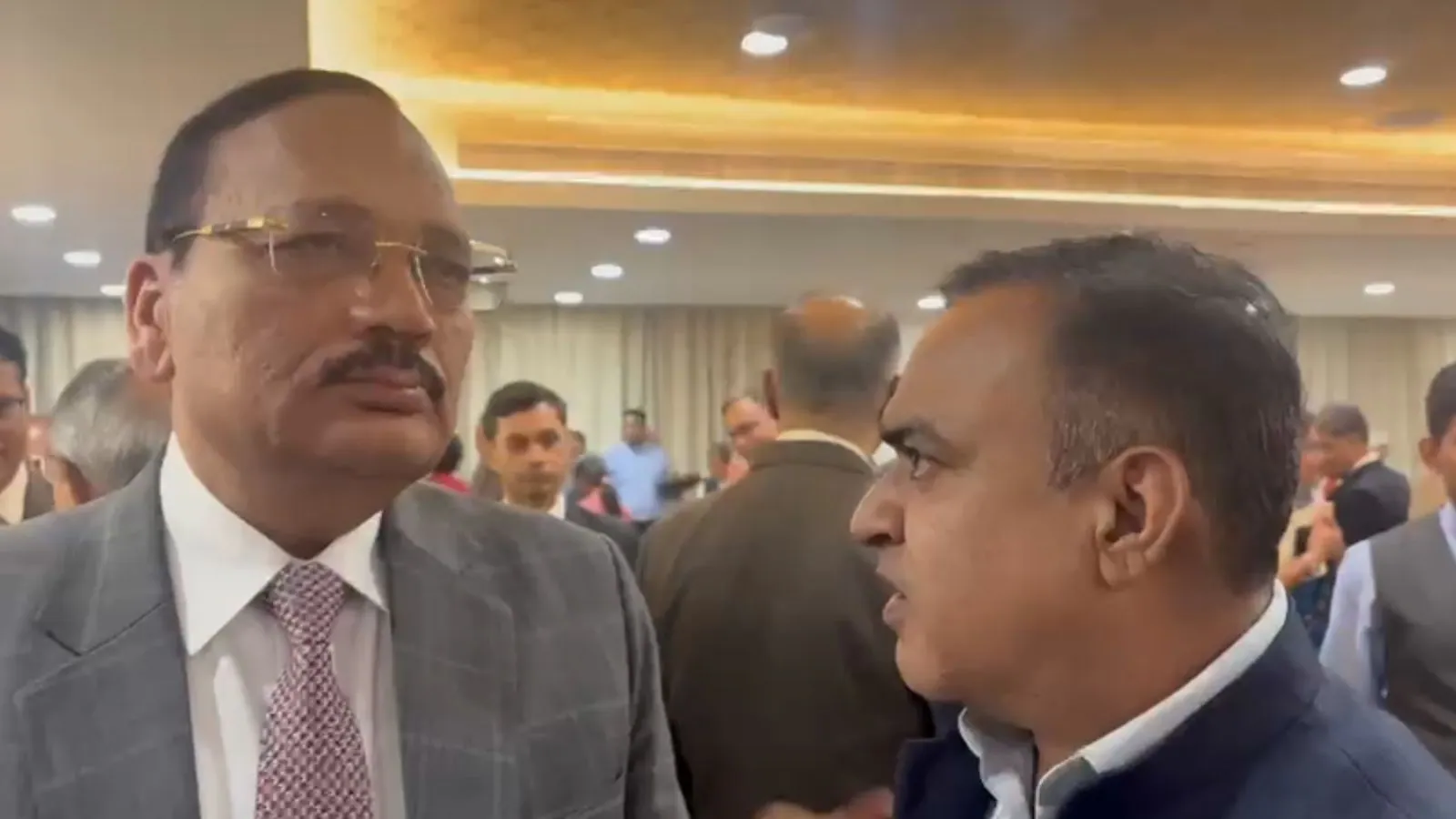
Chief Justice of India Surya Kant today explained the context of the Supreme Court’s remark to petitioners not to “waste” the apex court’s time when they asked for urgent listing of a petition on Wednesday challenging the alleged police action against protesting students at Delhi’s Jantar Mantar.
“It was incorrectly reported that the Supreme Court refused to hear the petition. The Supreme Court can never refuse to hear any case. I have made a commitment that we are available 24 hours,” Chief Justice Kant told NDTV.
“If I didn’t have a petition at all, what kind of hearing would I have? If they give a one page letter and seek a hearing on it, that is not the way to go. We cannot interfere with the process of filing a petition in the Supreme Court. I told them that they should file the petition properly. But they wanted her immediately. So I had to send a message to them to file a proper petition,” the Chief Justice said.
He said the Supreme Court today “welcomed” the petition in its proper form. “The law has supreme power. We must follow it,” Chief Justice Kant said. “I want to tell the citizens of the country that the Supreme Court will do everything possible under the law to bring justice to everyone who faces any injustice,” he added.
Also read: “Demon out of the bag”: The Supreme Court banned the recording and distribution of videos from meetings
Earlier today, a bench comprising Chief Justice Kant and Justices Joymalya Bagchi and V Mohan agreed to hear two petitions on Monday alleging police abuse of students protesting over NEET paper leak and other exam irregularities.
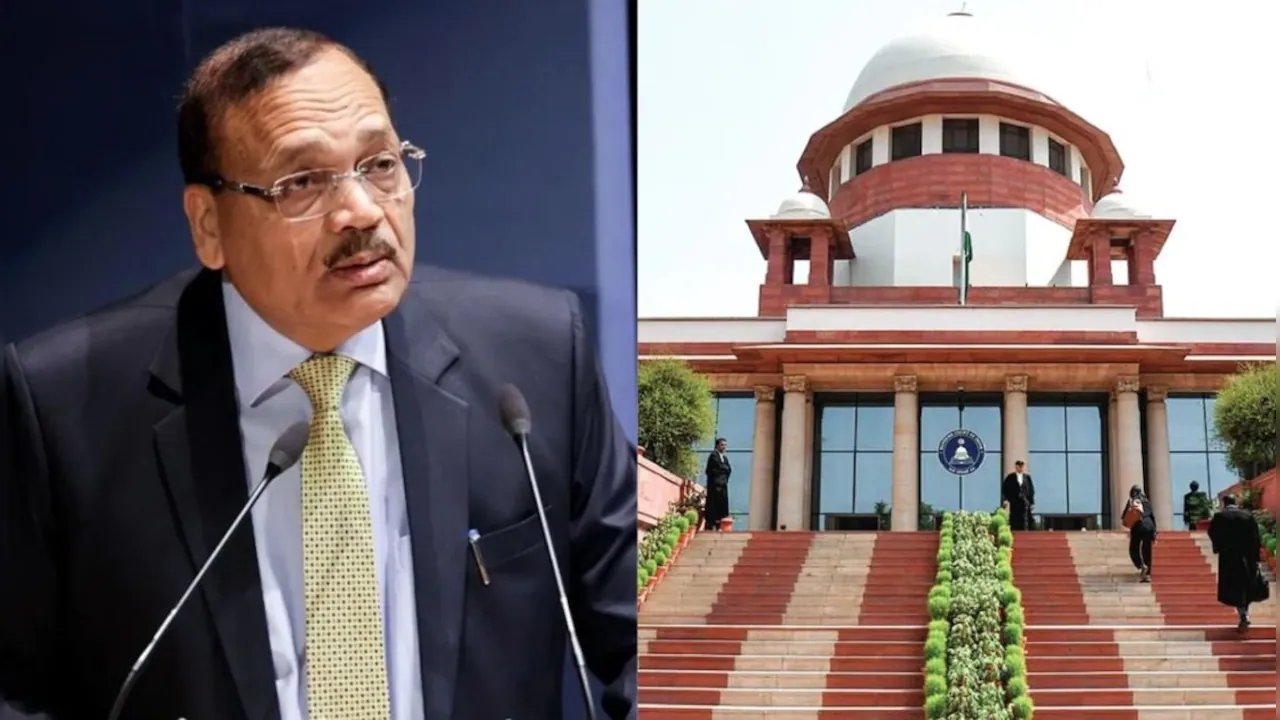
“The police use excessive force against students. The court stands between us and the police,” senior advocate Gopal Sankaranarayanan told the Supreme Court. He added that the issue is urgent as incidents allegedly occur on a daily basis.
The protesters are demanding the resignation of Union Minister Dharmendra Pradhan over the NEET paper leak. They organized themselves under the satirical political group Cockroach Janta Party (CJP) at Jantar Mantar in central Delhi.
On July 22, the Delhi High Court ordered authorities to preserve all records, including CCTV footage and videos related to the alleged police actions.
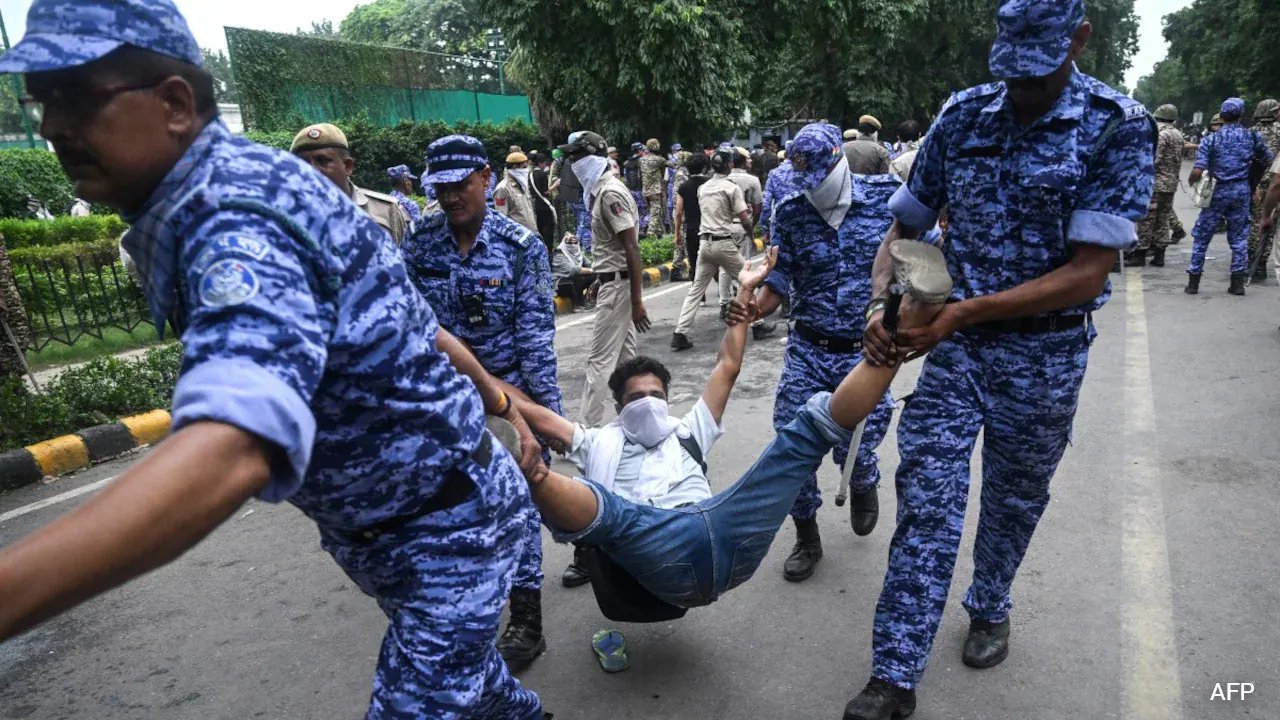
The protest began on June 6. It came to wider attention after Ladakh-based activist Sonam Wangchuk joined an indefinite hunger strike on June 28, which he ended last night after 26 days.
Also read: “How’s that for advertising?” High Court to hear police brutality case
Following the outcry, the National Testing Agency (NTA) will be completely restructured over the next month in a major move by the government. At least 47 people were excluded from the testing body. Action will be taken against some of them, the sources said, without specifying their roles and appointments.
One of the key changes includes adjusting NTA’s outsourcing practices to ensure a leak-proof system, sources said, a day after Prime Minister Narendra Modi announced key steps such as fast-tracking of document leak cases in courts.
The Center established NTA in 2017 as an autonomous and independent testing body to conduct entrance examinations for admission and scholarship to higher education institutions.