

Read the article in Spanish
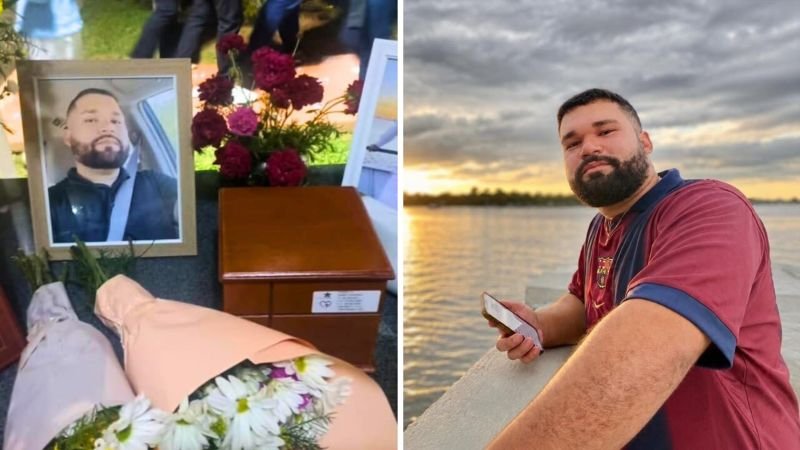
Oswadelis Nunez remembers arguing with her son Daniel when he decided to get a tattoo when he was 24 years old. About four years later, the tattoo helped her identify Daniel’s body after he died in the twin earthquakes that devastated Venezuela last month.
Daniel returned to Venezuela on the day of the disaster after being deported from the United States. From La Guaira, he called his mother from the phone of a Venezuelan intelligence officer (SEBIN), telling her that he was in the country.
“He told me, ‘No, mom, we’re here with the SEBIN officers,'” Nunez told CNN. He told her that he and the other deportees had eaten, undergone medical examinations and were going to spend the night at the Macuto Hotel in La Guaira while administrative procedures for their repatriation were completed. The next day, he would make the nearly seven-hour drive to the city of El Tigre to reunite with his mother.
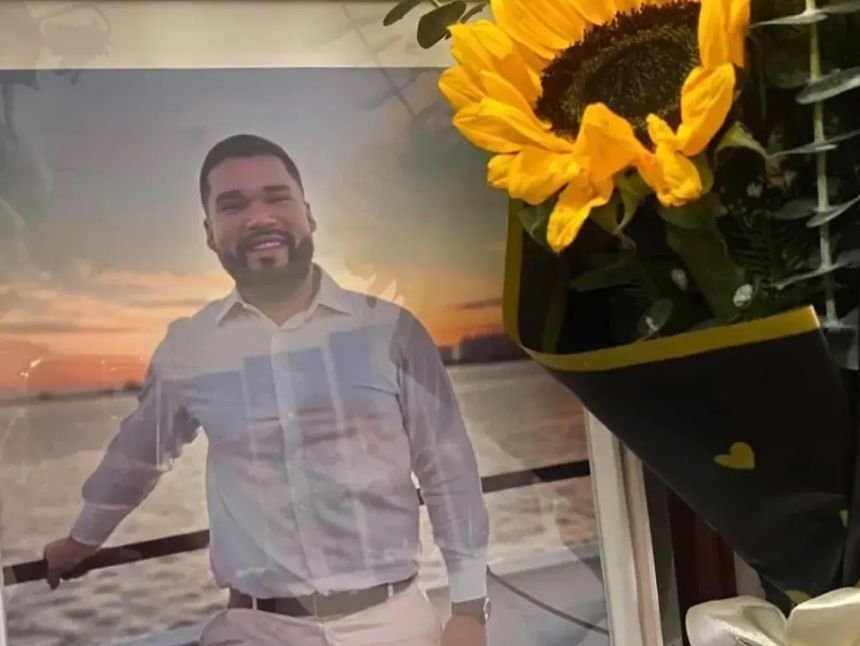
This reunion never happened. About 40 minutes after he called his mother for the last time, the ground shook and the hotel he was in collapsed to the ground, crushing many of its occupants.
It is unclear how many of Daniel’s other deportees were killed along with him that day—unconfirmed reports suggest as many as 12 may have been killed.
The disaster killed thousands of people across the country and forced thousands more to flee their homes.
The deportation flight carrying Daniel took off from Miami and landed at 10:22 a.m. local time at Simon Bolivar International Airport in Venezuela on Wednesday when an earthquake struck. There were 146 people on board: 120 men, 19 women and seven children, according to data released by Venezuelan authorities and the ICE Flight Monitor, a project of Human Rights First that tracks deportation flights.
That same Wednesday, Venezuela’s Vuelta a la Patria (Return to the Homeland) mission announced the arrival of Flight 164, saying the passengers were received at Simon Bolivar International Airport “with dignity” and in compliance with “all necessary protocols” to ensure a “happy reunification in our country.”
But this reunion was short-lived.
After the earthquakes, Nunez tried to contact the authorities, but did not receive any useful information. She then traveled to La Guaira, where she and a team of friends and family took matters into her own hands, searching for hospitals, clinics and morgues for Daniel.
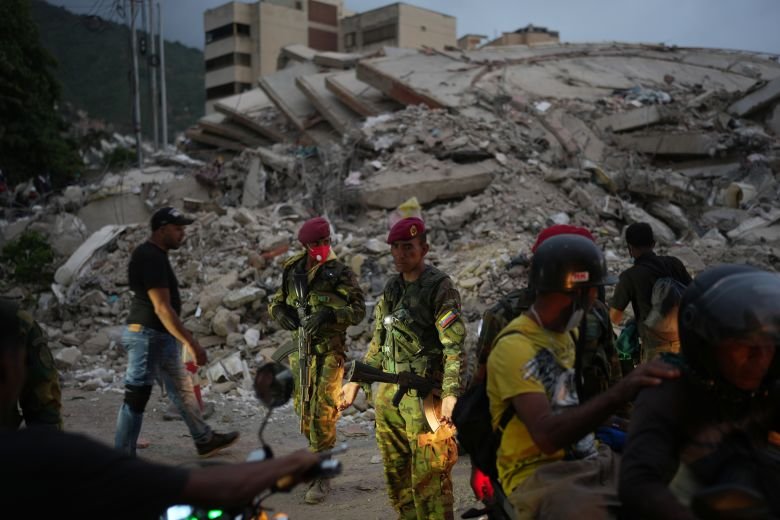
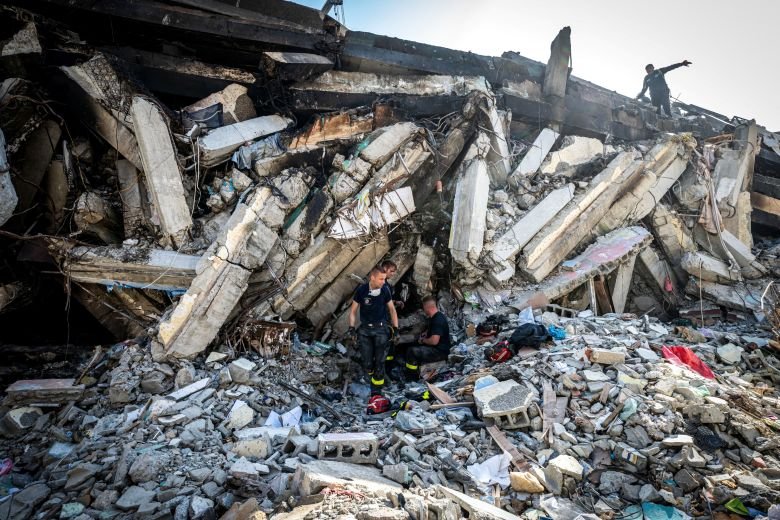
“We slept for two to three hours and kept searching. We went into hospitals eight, nine, 10 floors up, went up to each floor and checked room by room,” she said.
The search continued until Monday, when Nunez returned to the crash site, convinced her son had not survived and that his body was still buried under the rubble.
Officials eventually directed her to the port complex, which had been converted into an emergency morgue after countless bodies were recovered from the rubble in the days following the quake.
“When we went to pick up my son’s body, it was complete chaos,” Nunez said. “The bodies were lying on the floor.”
Nunez finally found a body matching the number she was given. It was her son—but not the face she remembered.
“Daniel’s face was completely smashed, you could see his bones,” she said. Nunez’s nephew went to clean Daniel’s left arm, which was still intact.
“We saw his tattoo,” Nunez said. “When he got that tattoo, I argued with him. But now I thank God that he got it, because that’s pretty much how I got to know him.”
Then came the bureaucratic obstacles that she had to overcome while the grief was still fresh and painful.
“They told me cremation and burial would be free, but we would have to wait 10 to 30 days,” Nunez said. Unable to wait more than a month, she paid a private crematorium $680 to speed up the process.
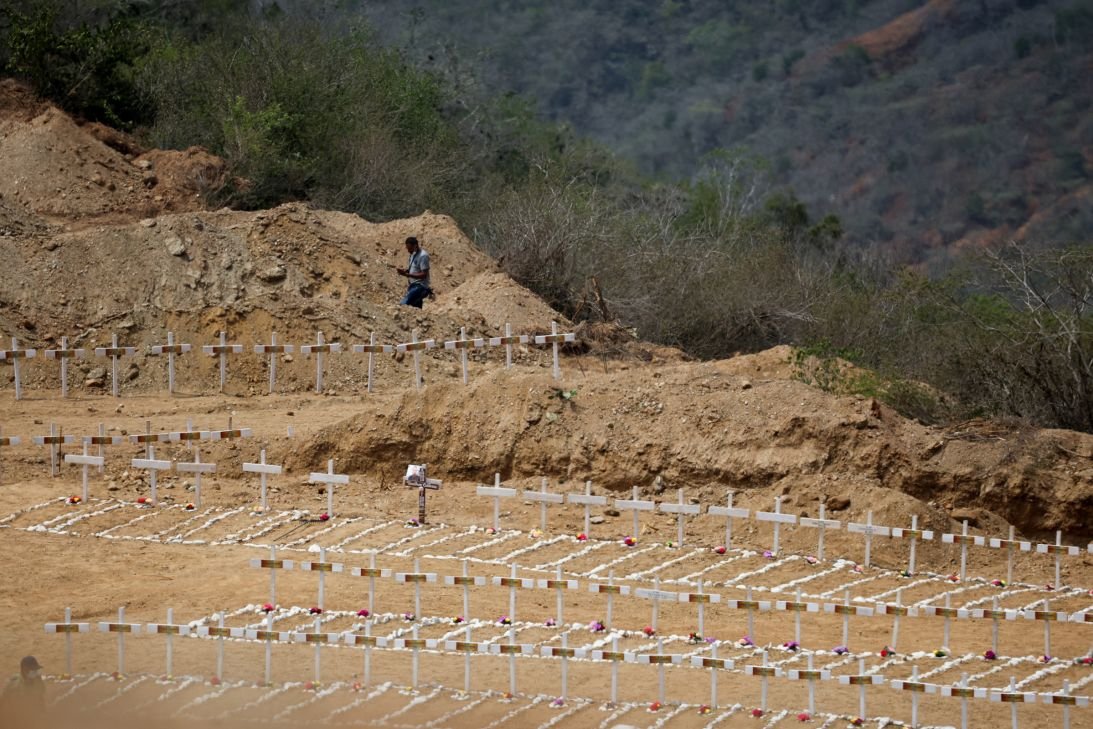
“We couldn’t afford to stay there longer, spending more money and time. We’re not from La Guaira.”
Having received her son’s ashes, she went home.
“We came home on Wednesday – not the way I wanted, with my son alive – but at least I have his ashes.”
Despite the loss, Nunez is grateful she was able to find Daniel’s body.
“There are people who still haven’t found their loved ones. They’re still searching.”
CNN has contacted Venezuela’s Ministry of Communications and Vuelta a la Patria for comment on Daniel’s case, as well as more information about the flight’s passengers and the protocols followed after the earthquakes. CNN is awaiting a response.
Daniel came to the United States in 2022 after crossing the border into Mexico and beginning the asylum process. But on May 10, Immigration and Customs Enforcement (ICE) agents detained him while returning home from a construction job.
Nunez says her son has already decided to return to Venezuela.
“Daniel has already decided to return by the end of this year because he says the persecution of migrants has become very intense,” she said.
According to Nunez, ICE agents told Daniel that his detention was related to his failure to appear in court after he was charged in 2024 with driving without a valid license.
“He told me, ‘Mom, I paid the fine, but I didn’t know I had to go to court.’ He was moving out of an apartment at the time and believes the notice was sent to his previous address, but he never received it,” she said.
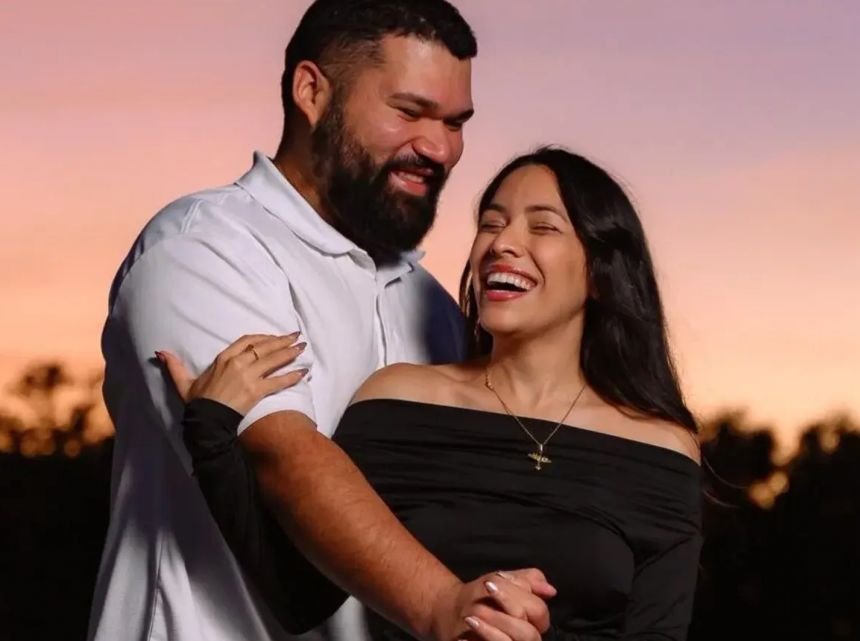
Court records reviewed by CNN show Daniel Nunez has no criminal record in the United States other than a few traffic violations, including driving without a valid license and speeding.
Records also show that in 2026 he was involved in a case involving an arrest warrant issued in another county. Available documents indicate the warrant was related to a traffic accident involving his driver’s license, although the extradition case does not indicate its exact origin.
Daniel had to wait until a June 9 court hearing, where the judge dismissed the charge related to his driver’s license and imposed a fine for his previous failure to appear in court. However, with his asylum case still pending, ICE held him in custody and later transferred him to a detention center.
“When he got there, there was a lot of psychological pressure put on him to self-deport and he decided to sign the deportation papers,” Nunez said. “He was told he would be in Venezuela in five days, but it turned out to be 15 days. Unfortunately, he arrived on the 24th, the day of the earthquakes.”
A U.S. Department of Homeland Security spokesman told CNN that the deportation flight arrived in Venezuela without incident and that all undocumented foreign nationals on board were returned to their country of origin.
The spokesperson added that “once a person is no longer in ICE custody, ICE is no longer responsible for that person.”
Nunez, a lawyer herself, says her fight is far from over. She says she will continue to speak out on social media and plans to continue her legal education to seek justice for her son’s death.
She calls on the Venezuelan government to be more transparent with grieving families searching for their loved ones and to implement safer, more efficient and humane protocols for deported Venezuelans without criminal records. She laments that deportees like her son cannot be immediately released upon return to the country – they are at the mercy of bureaucratic processes.
“These are not sacks of potatoes. These are people. They are handing over people,” she said.
“All I ask of God is that these deaths do not go unpunished because my son was not a criminal.”