
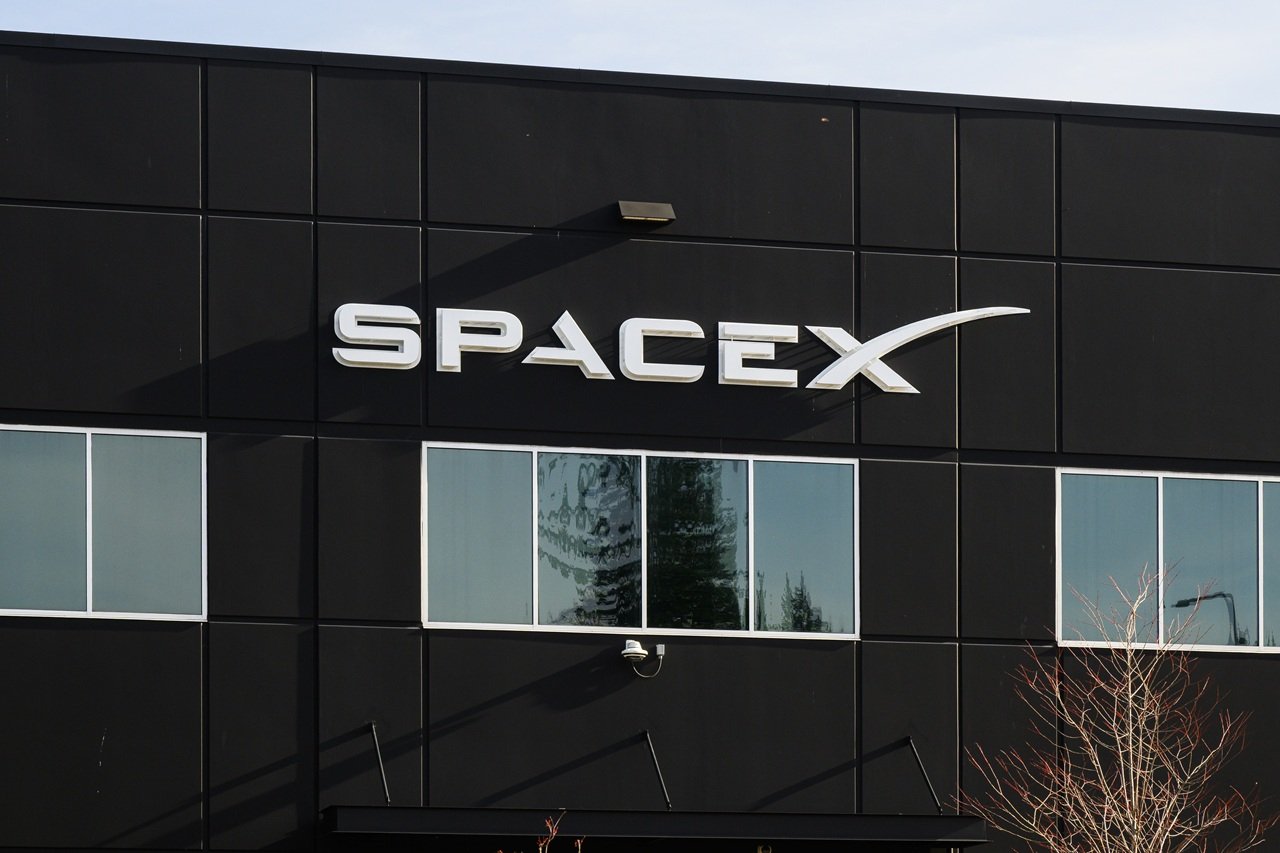
SpaceX premises (Photo: /Adobe Stock)
Noel Randewich
SpaceX’s share price falling below its IPO price, which hit a record high of $135 per share, is a worrying sign for Elon Musk’s internet and rocket company, which could face increased volatility in early August when the number of shares available for trading on the Nasdaq is expected to increase significantly.
The company’s shares dropped to $132.15 on Wednesday before closing at $135.27. The company is now down 33% from its record closing price in the days following its IPO, which raised a record $75 billion on June 11. Even after such a sharp decline, SpaceX remains one of the most valuable companies on Wall Street, with a market capitalization of about $1.8 trillion.
Although SpaceX’s IPO was the largest in U.S. history, less than 5% of its shares were available for trading, forcing investors to compete for a limited number of shares, helping to value the company at $2.1 trillion after its first day of trading on the Nasdaq. So-called insider lock-out restrictions will end in the coming months, which could lead to more shares flooding the market.
“We think this level is relatively safe to look at, at least from a stock perspective,” said Jay Hatfield, managing director at Infrastructure Capital Advisors in New York. “We have no intention of revaluing these shares as the lifting of sales restrictions approaches.”
Following the wave of selling, the stock trades at 49 times forward earnings, still making it one of the most valuable stocks on Wall Street by that metric. For comparison, Tesla
TSLA.O, another favorite of Musk-backed investors, recently traded at 15 times earnings.
Optimistic analysts and investors say SpaceX deserves a huge premium because of its lucrative Starlink internet service, government rocket launch business and Musk’s reputation for winning investor loyalty even though the company posted a net loss of nearly $5 billion last year.
Of the 32 analysts who have issued recommendations on the stock, 27 have a buy recommendation, just one has a sell recommendation and four are neutral, according to LSEG. A Reuters analysis of 50 high-profile U.S. IPOs since 2010 found that companies whose shares fell below their IPO price in the first two months after going public subsequently underperformed others, although most still posted gains.
In the first two months, the stock price of 21 of the 50 companies fell below their IPO price; These stocks have an average gain of 61% since going public, compared to an average gain of 112% for the other 29.
UNLOCKING OF SHARES STARTS
A number of restrictions on additional sales of shares by insiders, employees and early investors will end in the coming months.
In the first of these events, rank-and-file employees and some early investors will be able to sell 911.5 million shares on the second day of trading following the release of the company’s first quarterly report.
The company has not announced a release date for its first financial report, which analysts expect in early August.
These eligible shares are currently worth approximately $123 billion, which exceeds the $86 billion in shares currently available for trading on the Nasdaq.
An additional 455.8 million shares could be sold if SpaceX’s share price remains above $175.50 for at least five out of ten consecutive trading days prior to the company’s next quarterly earnings release date.
In total, lifting restrictions before December 8 will bring SpaceX’s share, that is, the number of potentially traded shares, to 40% of the company’s capital, and the remaining 60%, including Musk’s share, will remain locked until mid-2027.
((Automatic translation by Reuters using machine learning and generative artificial intelligence, see the following disclaimer: