

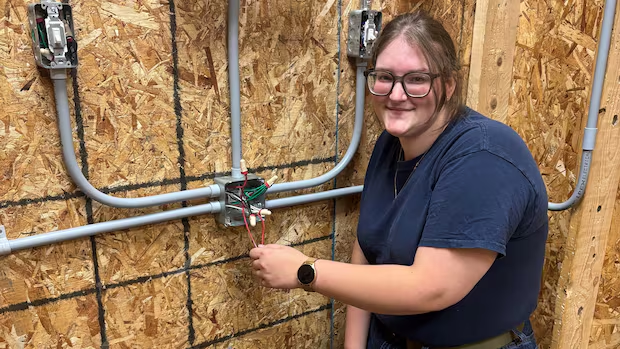
While working as a landscaper, Kayla Climenhaga often observed electricians on jobsites, providing insight into what she hoped would be a better future and a bigger payday for her in the future.
“From the outside looking in, it looked very attractive,” Climenhaga said. “And that got me very interested in studying the electrical field.”
She enrolled in the Construction and Maintenance Electrician Pre-Apprenticeship program at North American Trade Schools, a private trade school in London, Ontario.
Climenhaga, 27, graduates this week after a 30-week hands-on training program in which she learned how to install everything from lighting to electrical outlets.
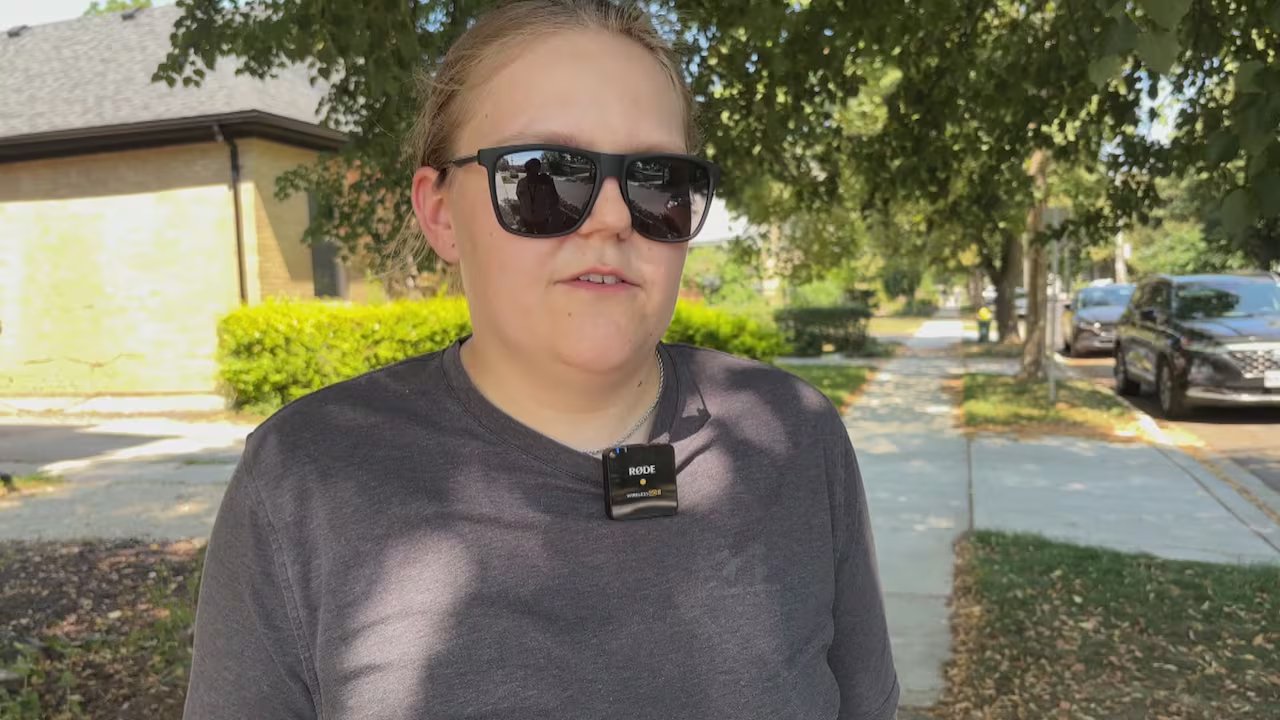 Kayla Climenhaga graduated from a pre-apprenticeship electrical engineering program, but said it was difficult to find a company willing to hire her as an apprentice. (Andrew Lupton/CBC News)
Climenhaga has learned all about wiring, but feels she lacks instruction on how to navigate the equally complex world of electrician training. She’s been sending out resumes since early spring and calling electrical companies, but hasn’t made much progress yet.
“We have all these practical skills, we get the tools, we prepare for jobs in the field, but they don’t have career services,” she said. “I submitted my resume, I just hope you get selected.”
The school did not respond to CBC News’ request for comment.
Training is not easy to obtain
During an apprenticeship, an employer hires someone new to the trade so they can learn on the job and accumulate the hours needed to eventually become a licensed electrician. Vocational training is also combined with classroom training at a vocational school. The transition from apprentice to fully licensed journeyman electrician requires 9,000 hours of work and typically takes four or five years. The internship and final certification are registered with the government agency Skilled Trades Ontario.
Pre-apprenticeship graduates can face significant challenges when it comes to getting an employer to take them on as an apprentice. Climenhaga said many of her classmates face the same problem, especially if they don’t have a connection to a family member or other acquaintance already in the profession.
“It’s a big issue and it’s definitely talked about,” she said. “It surprised me.”
Cassidy Payne has been looking for an apprenticeship since she graduated from the same vocational school in May. She was also unlucky.
“The school experience gives me some support, but not much,” she said. “I sent out resumes online and in person, called, but didn’t get a single interview.”
Earlier this month, Skilled Trades Ontario announced an apprentice toolkit, touting it as an online portal with all the information in one place to “make the apprenticeship process easier.”
While this can help, much of the burden of securing an apprenticeship falls on the shoulders of the individual student.
John Finan knows what it’s like to rush to get an apprenticeship. He now owns Finan Home Service, a large contracting company with branches covering electrical, plumbing and heating and air conditioning. He also wrote a book about working in sales.
However, back in the late 1980s, before the Internet, Finan had to call and knock on the doors of electrical contractors, hoping to persuade an electrician to take him on as an apprentice. It took him three months of networking, but he eventually landed the internship.
Finan said pre-apprenticeship programs are not mandatory to secure an apprenticeship and should not be considered an automatic ticket to one.
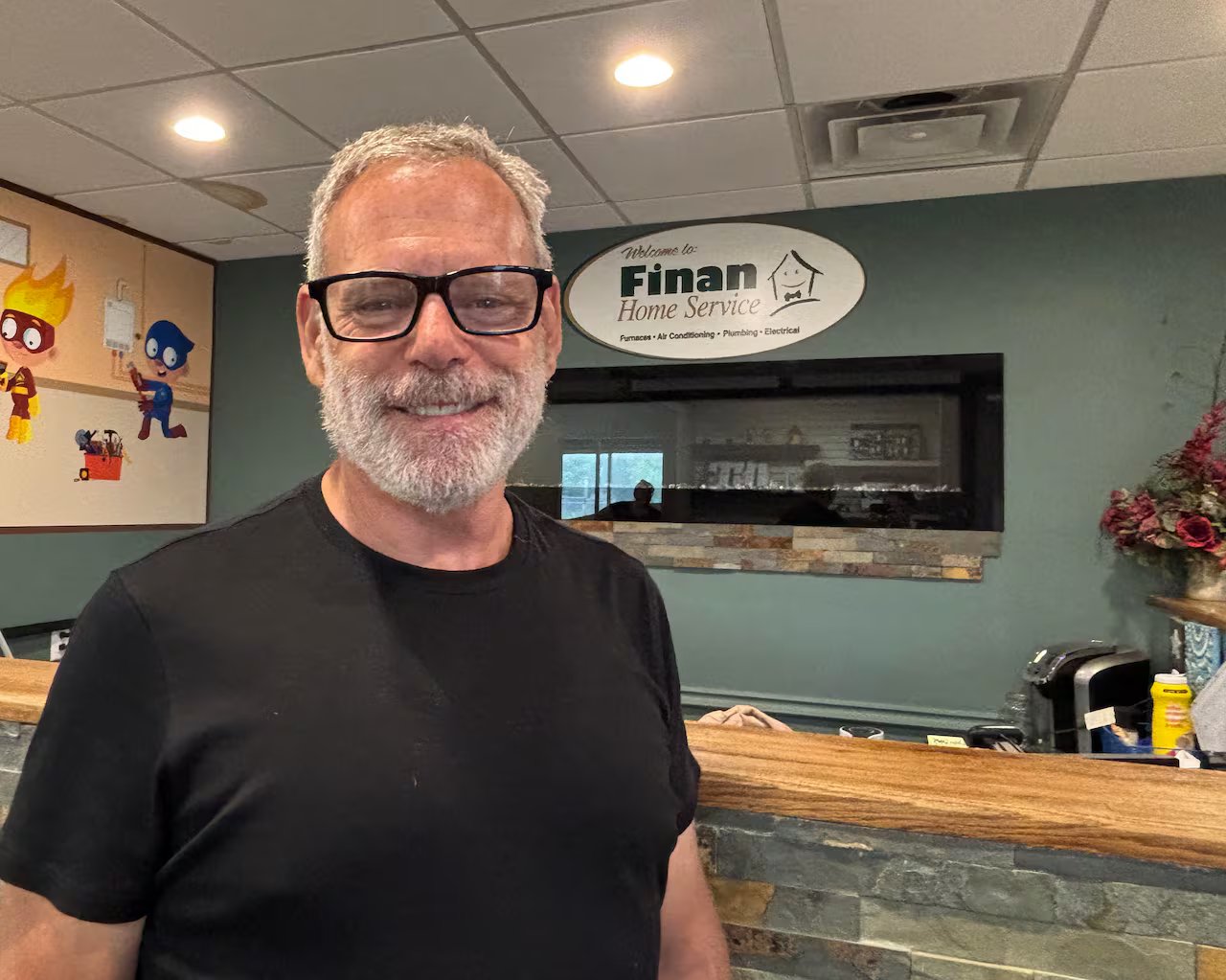 John Finan, owner of Finan Home Services, is a licensed electrician and said completing a pre-apprenticeship program can be helpful for students who want to become electricians, but in itself is not a guarantee of an apprenticeship. (Andrew Lupton/CBC)
“The real trick for young people in getting an apprenticeship is to look for those registered apprenticeships because they don’t earn money or gain work experience,” he said.
Finan said that while there was a strong demand for licensed electricians (called apprentices) in the workplace, there was also stiff competition for apprenticeship places, of which there were a limited number. Each apprentice must be registered with the province and matched at an individual rate with an apprentice at a specific company.
“If I have one apprentice that is available and can be found with one apprentice, that would be a golden ticket for someone,” he said.
Contractor says hustling is part of the job search
So how can graduates who don’t have an “in” overcome this barrier and convince an employer to pick their name from a stack of resumes and hire them as an apprentice?
Finan said they may have to first accept a more entry-level job in the construction industry, perhaps even outside their profession, and do it for a while. He said this helps build a reputation for being on time, having a good attitude and being trainable.
“You have to get into the construction ecosystem any way you can,” he said. “It all comes down to persistence and hustle. If you think you’ll knock on five doors and someone will hire you, you’re either wrong or lucky.”
Canada is behind other countries
Richard Lyall is president of the Housing Council of Ontario, an association representing the interests of home builders.
Lyall said there is a shortage of internships in Canada for most professions. He also said that in most cases the completion rate is less than 50 percent. He would like to see more students enroll in pre-med programs much earlier in high school.
“A lot of the problems we had with apprenticeships 30 years ago we are still dealing with today,” Lyall said. He said other countries, particularly Germany, are identifying teenagers who are well suited for careers and providing them with more support in public school. By the time they graduate from high school, they are prime candidates for both work and education.
“In Germany, the average age of a student is 19,” Lyall said. “They have been here for 29 years. Communication between school and industry is not where it should be.”
Klimenhaga plans to continue landscaping the area while turning to electrical contractors.
“I don’t give up hope,” she said. “I definitely see myself as an electrician in the future, hopefully, and I will still try to reach as many people as possible.”