

Published 07/07/2026
|
Last update: 07/08/2026 03:18 (Mecca time)
The excitement in Atalanta’s historic showdown between Argentina and Egypt was not limited to five goals and a fatal remontada for the defending champions, but rather expanded to include key arbitration decisions that sparked widespread controversy on the Egyptian and international sports streets and opened the door to questions about the degree of fairness of arbitration and the integrity of the use of video assistant referee (VAR) technology.
Here we will talk about two decisive incidents that completely changed the course of the match. The first was to disallow Mustafa Zico’s goal in the 58th minute, and the second was to award the winning goal to Argentina despite a foul on Mohamed Salah before the goal, which the referee did not notice or review, as he had done against Zico.
Read also
list of 2 itemsend of list
We discuss the detailed arbitration analysis of the two cases under the Laws of the Game issued by the International Football Association Board (IFAB) as follows:
Zico’s goal was disallowed after VAR intervention.
Zico scored after a superb attack from Haitham Hassan and an even more stunning pass from Mohamed Salah in the 58th minute, but the referee canceled the goal by calling the video equipment for a foul on Marwan Attia. The truth is that the incident appears to be a routine challenge that does not amount to a foul, but replays showed that Attia ran over the Argentine player’s foot and indeed deserved a foul.
Argentina’s winning goal and ignoring a clear foul against Salah
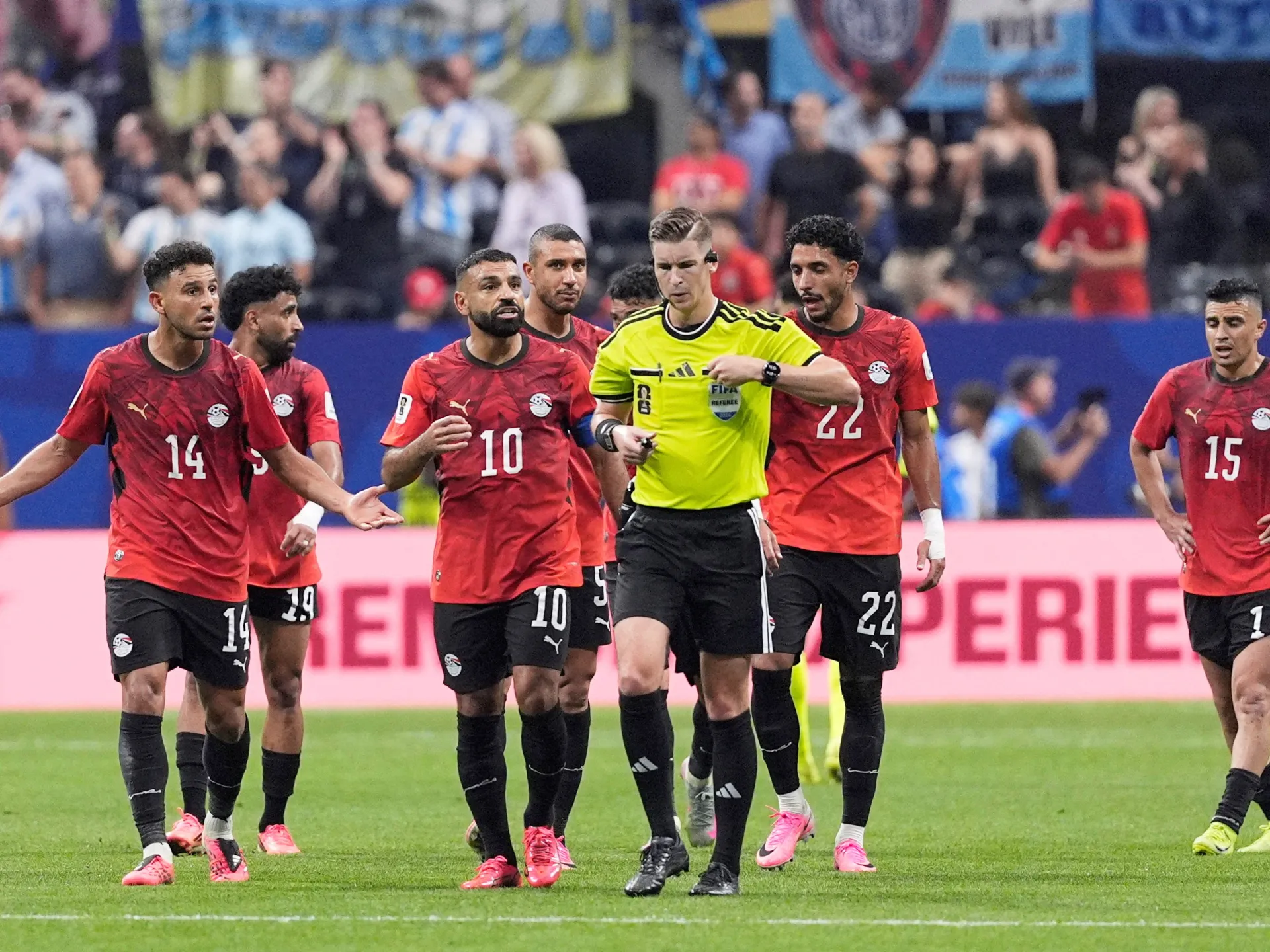
Enzo Fernandez scored Argentina’s fateful winner in the 90th minute +3, but the television replay showed a strong challenge and Mohamed Salah went down as a result of intervention from the Argentine defense early in the attack that led to a goal, but the referee ordered play to continue and the VAR room did not intervene, as happened against Zico, despite the clearness of the foul and a possible penalty, which angered the Egyptian team and its technical staff. In this case, the referee should have at least returned to look at the situation, especially since there was a catch before the goal. Hamdi Fathi, the Argentine defender, also entered the penalty area.
The truth is that Julian Alvarez’s right foot clearly interfered with Salah’s left foot, causing the latter to fall to the ground and the ball to rebound in an attack that ended with the fateful winning goal.
Here the greatest responsibility lies with the arena referee, but the video referee should have brought the violation to the referee’s attention and if he is not convinced, he should be called to review the situation on the screen.
The referee’s disregard for the foul, or even watching it on video, angered Egyptian and Arab fans, who felt bitter as the scene looked as if there was a “double standard” as Egypt’s goal was examined with a magnifying glass to overturn it, while Argentina’s goal was scored despite a clear foul.
Abu Triqa confirms violation against Salah
Former Egyptian star Mohamed Aubrika confirmed Argentina’s third goal was incorrect and said during beIN Sports’ analysis of the match that Salah had been subject to a clear foul.
This was also confirmed in the studio by former Argentine star Claudio Lopez, who said: “The referee should have gone back to video technology and Salah deserved the foul.”