

New traffic rules, higher fines and speed limit changes are coming into force across Australia.
News
Motorists across Australia are now subject to a raft of new road rules, higher fines and registration changes that came into force on July 1, with reforms ranging from motorcycle safety equipment requirements and a crackdown on e-scooters to updated road speed limits in the country’s most populous state. Here’s what you need to know.
Key details
New South Wales is introducing mandatory safety equipment for novice and experienced motorcycle riders.
Queensland is tightening laws on e-bikes and e-scooters, lowering speed limits and increasing fines.
NSW roadworks speed limits should now be lifted outside of working hours when it is safe to do so.
South Australia increases penalties for speeding and drink driving
Higher fines for Victorians who don’t pay their fines on time
Finer details
The biggest changes vary from state to state, but most Australian motorists will notice either new road rules or increased costs for breaking the rules from 1 July.
N.S.W.
New South Wales has introduced tougher safety requirements for Learner, P1 and P2 level motorcyclists under changes to the Staged Motorcycle Licensing Scheme.
Riders wearing an L or P plate must now wear approved safety gloves every time they ride, and novice drivers must also wear an approved high-vis vest or jacket.
New South Wales has also introduced long-promised changes to road speed limits.
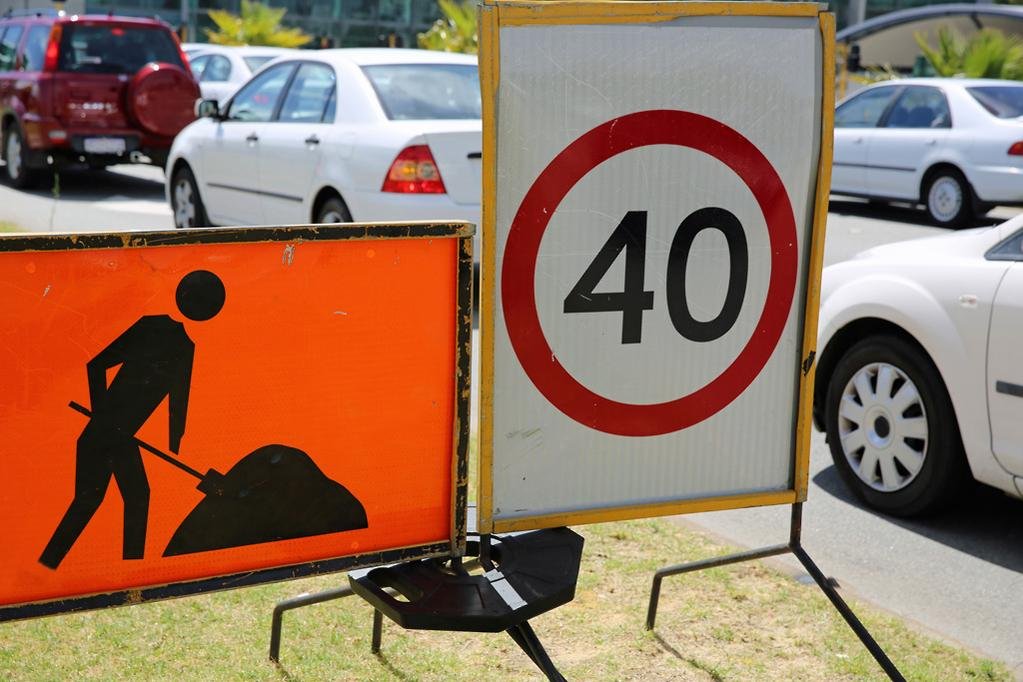
Under the new worksite traffic control standard, temporary reductions in speed limits must now be lifted outside of working hours when it is safe to do so. Where there are no workers on site and conditions permit, speed limits will return to normal rather than remain unnecessarily reduced.
Roads and Regional Transport Minister Jenny Aitchison said the changes were designed to improve traffic flow without compromising safety.
“Protecting construction workers and motorists on jobsites is critical. We are not changing or relaxing any safety rules.”
Further changes are still to come in NSW.
Starting July 6, the state’s weekly toll limit will drop from $60 to $50 for 12 months, and starting September 2026, eligible vehicle owners will automatically receive a one-time registration discount of $100 for cars and $80 for motorcycles.
Victoria
Victoria has changed its infringement enforcement system, increasing the costs faced by motorists who fail to pay infringement notices by the due date.
The reforms primarily address unpaid fines rather than the introduction of new traffic violations.
Queensland
Queensland has introduced sweeping reforms targeting electric bikes, scooters and other personal mobility devices.
Police can now confiscate and destroy illegal e-bikes and e-scooters, and drivers are subject to random breath testing and a blood alcohol limit of 0.05. They are also now allowed to travel on roads with a speed limit of 60 km/h or lower or on cycle paths.

There is now a maximum speed limit of 25 km/h on roads, as well as a speed limit of 12 km/h on footpaths and when overtaking pedestrians on public roads.
Stricter penalties now also apply for offenses such as speeding, not wearing a helmet, careless driving, illegally carrying passengers and driving on prohibited roads.
From August 31, e-bike riders must be at least 16 years old and have a valid driving license, including a learner’s permit, and parents of young people who flout the rules can now be fined if their children are caught doing something wrong.
South Australia
South Australian motorists will pay more for many common road traffic offences, including speeding and drink driving.
Speeding fines have been updated:
Less than 10 km/h over: USD 215.
Over 10-20 km/h: $484
20-30 km/h over: $998
30-45 km/h over: $1793
Speeding over 45 km/h: USD 2,018.
Penalties for drunk driving have also increased, with those recording a blood alcohol concentration below 0.08 now facing a fine of $904.
Western Australia
Meanwhile, WA has not made any major changes, although it is considering significant reforms for learner and temporary drivers.

Proposals include doubling the minimum training period from six to 12 months, increasing supervised driving requirements from 50 to 80 hours (including 10 hours of night driving) and extending the term of a provisional driver’s license from two years to three.
ACT and Tasmania
Neither jurisdiction has introduced significant new traffic rules, although some penalties have been increased through the usual inflation indexation.
The road ahead
Visit your state or territory’s highway department website for full information on updated traffic laws and violations.
Join the conversation at our Facebook page
Or write to us at editor@carsales.com.au
Our team of independent expert motoring writers and journalistsMeet the team