
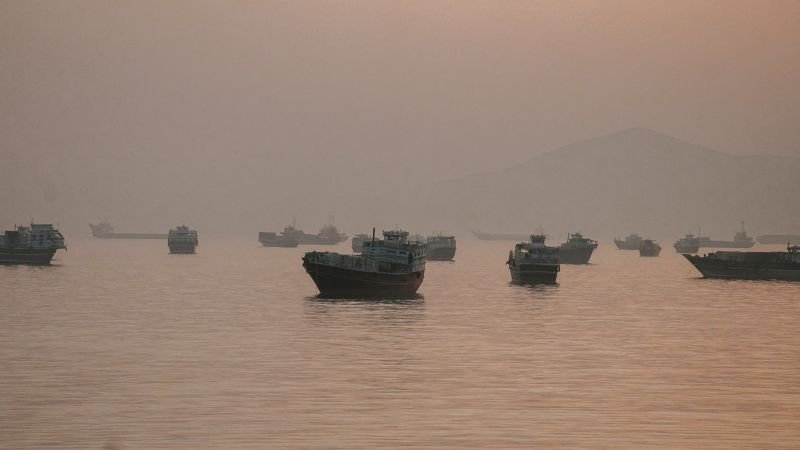
President Donald Trump has shocked Gulf allies and many of his aides with his plan to impose a tariff in the Strait of Hormuz, setting off an international scramble to persuade him to change course at his request, multiple sources familiar with the matter told CNN.
Monday’s sudden announcement came despite months of warnings from Trump’s own advisers not to pursue the idea, fearing it would undermine the U.S.’s own military goals and also confirm Iran’s alleged plans to levy tariffs in the strait, which the administration has repeatedly characterized as illegal.
But as he watched the escalating fighting across the strait drag the United States back into full-fledged war, a frustrated Trump pressed ahead.
“From now on, the US will be known as the ‘Guardian of the Strait of Hormuz,’” he wrote Monday morning on Truth Social, promising to levy a 20% tariff on all cargo moving through the strait.
The surprise directive sparked a 24-hour frenzy within the administration and across the Middle East to decipher the specifics of the proposal, which Trump appeared to make on the spot. And although he changed his plans Tuesday, the episode once again underscored the loose, transactional nature of Trump’s approach to foreign policy, even in the midst of a protracted war that he has no clear idea of how to end.
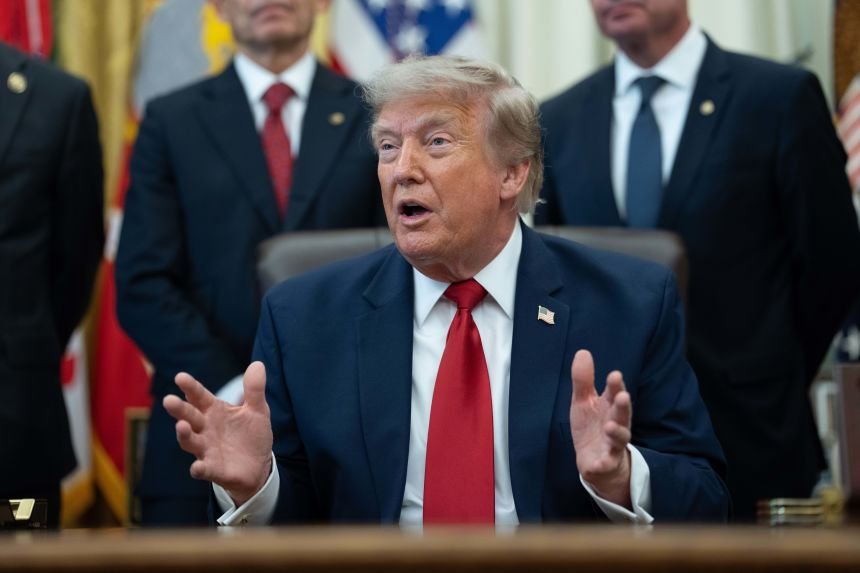
At the White House on Monday, aides rushed to work out the logistics of creating such an unprecedented fee system, including determining who would pay the fees and how they would be collected. Many officials and outside analysts initially expected shippers to foot the bill, but those efforts were further complicated by another announcement by Trump later Monday that U.S. Gulf allies would pay instead.
Meanwhile, leaders of those same Gulf allies worked feverishly to call Trump in time to talk him out of the idea entirely.
By Tuesday morning, a flurry of appeals from countries including Saudi Arabia, the United Arab Emirates, Bahrain and Qatar had succeeded. Instead of the US imposing tariffs, Trump announced that countries would commit new, unspecified amounts to US investments.
Gulf countries have already pledged to invest trillions of dollars in the US, although it remains unclear how much of that money they will actually spend over the next few years.
Trump cancels plan to charge ships in the Strait of Hormuz

Trump cancels plan to charge ships in the Strait of Hormuz
1:10
“I released it yesterday, I thought it was good,” Trump said Tuesday of his unprecedented toll plan. “I got calls from different people, different countries, kings and emirs, and all the people we all know and love. And they were, frankly, very strong partners. And they said we’d like to do this differently.”
A White House spokesman echoed Trump’s public statements, saying that given Iran’s violations of the agreement to keep the strait open, the president “always kept all options on the table, and he wisely determined that the United States should be reimbursed for our decades-long protection of ships transiting this waterway. Ultimately, our Gulf allies offered to provide investment in the United States, which the President deemed preferable.”
After returning the US to active conflict last week, Trump declared that the war had effectively been won and that another intense but short bombing campaign was all that was needed to subdue Iran. In the meantime, he insists that access to the Strait of Hormuz remains free and open.
But those assertions have so far been at odds with reality on the ground, including Iran’s continued ability to pose a sufficient threat to any ships attempting to cross the strait. As a result, traffic in the key waterway has plummeted, sending oil prices soaring to levels not seen since the U.S.-Iran peace deal last month.
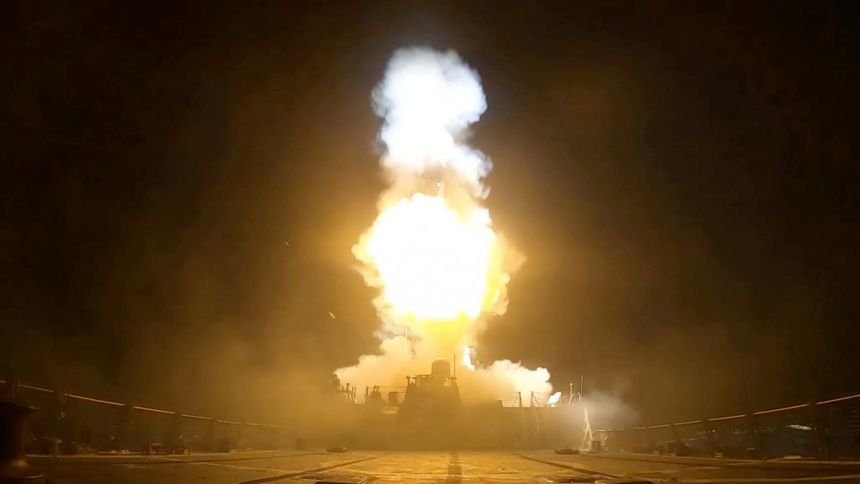
Trump has threatened to impose tariffs on the strait in previous war hotspots amid frustration over the enormous importance of the shipping route, which he has complained he has to maintain alone even though the US itself does not rely on it for oil supplies.
In April he suggested the US should charge the toll because “we are the victors” in the war, but later floated the concept of a “joint venture” with Iran to control the strait. More recently, he threatened to impose tariffs if Iran fails to reach a permanent peace deal, characterizing it as “reimbursement” for the costs of the war.
But the proposals have drawn consistent reactions from Trump’s advisers, people familiar with the discussions said. They argued that the new restrictions would only push oil and gas prices higher, increasing political pressure on Republicans ahead of the November midterm elections already expected to be shaped by affordability issues.
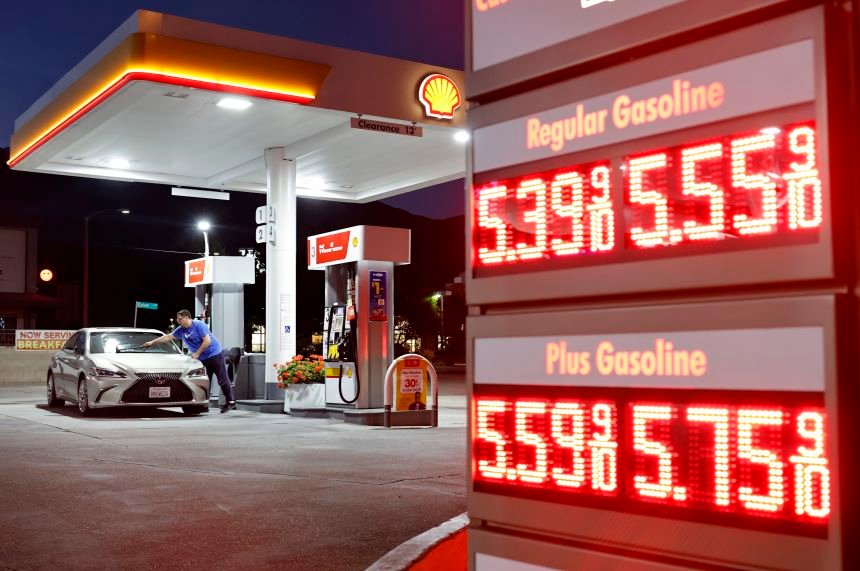
They warned that it might be even more troublesome because it would go against the administration’s stated principles against the concept of any country imposing fees on the waterway.
“No country is permitted to impose duties or charges on international waterways. This is existing international law,” Secretary of State Marco Rubio said in late June, just before signing a joint US statement rejecting “any tariffs, charges or attempts to assert control” over the Strait of Hormuz. “This is the case on international waterways around the world, and we expect it to be the same here.”
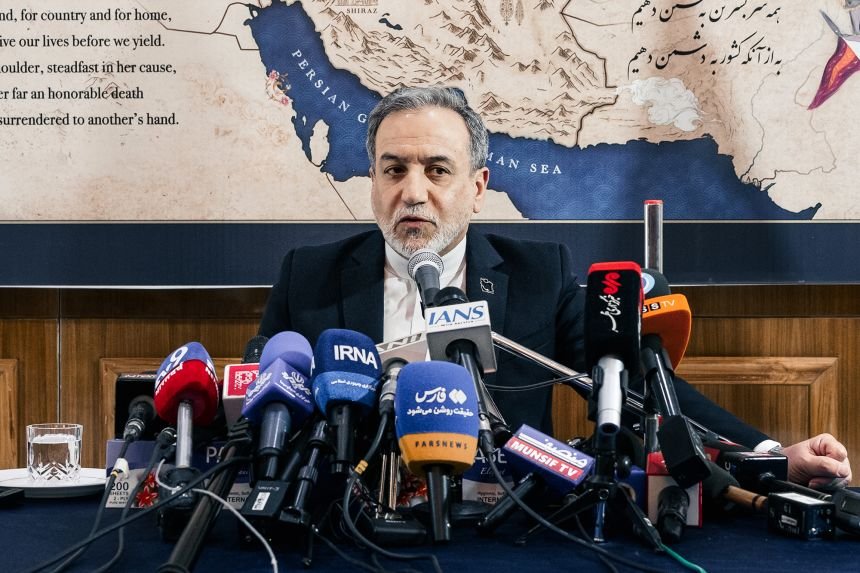
Confirming these concerns, Iranian Foreign Minister Abbas Araghchi was quick to seize on Trump’s comments on Monday, saying: “The President is absolutely right. Whoever ensures the safe passage of commercial ships through the Strait of Hormuz should be compensated for this service.”
“20% is, of course, too much. We will be honest,” he concluded.