

New Delhi:
The overseas release of Sutlej, originally titled Punjab 95, caught the attention of a journalist who initially told the story of Jaswant Singh Khalra, a human rights activist whose family alleged extrajudicial abduction and murder in 1995.
The film Honey Trehan has been removed from OTT platforms in India. However, it is available in the United States and has prompted those involved with the actual events to revisit the issue and clarify the historical details.
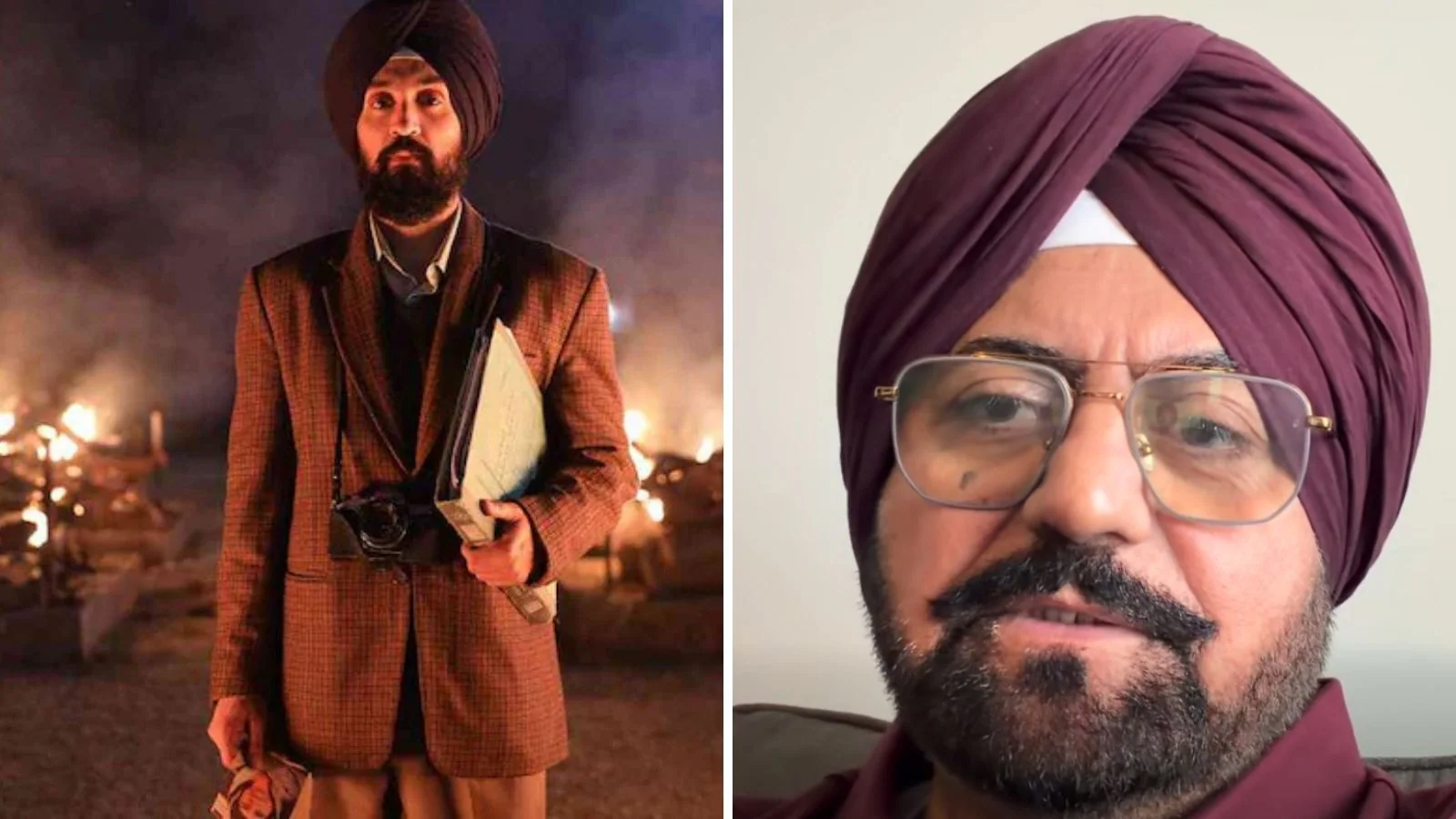
Satinder Bains, who first told this story Indian Express In May 1996, a video posted on Facebook said the cinematic image accurately reflected the events of Khalra’s final days, before a police insider whose own life had ended in tragedy revealed it. Baines is now based in Canada.
Baines recalled his direct interactions with the police whistleblower whose testimony broke the case. “Watching this film took me back 30 years in time to the time when I did this story in Indian Express on May 5, 1996,” Bains said in a video of his meeting with Kuldeep Singh, a special police officer in Amritsar.
Bains said Kuldeep Singh was promised a permanent constable post in exchange for his complicity and silence, but he approached the media when the police refused. “He came to see me in Amritsar. He told me that he has a story, a secret, and he knows where Jaswant Singh Khalra is. He said that the police promised to make him a constable, but refused, and he wanted to tell this story,” the journalist said in the video.
Realizing the explosive nature of the statement, Bains consulted his editor before recording the evidence that later formed the basis of the Central Bureau of Investigation (CBI) case and Kuldeep Singh’s testimony in the Supreme Court.
Khalra’s work in exposing the secret cremations of unidentified bodies in Punjab has been widely documented.
“In October 1995, when he was tortured… he was brutally tortured. Jaswant Singh Khalra was actually crying and screaming a lot and asking for water,” Bains recalled from the whistleblower testimony.
The execution was carried out by station house officer (SHO) Satnam Singh, which Bains noted was slightly different from the film’s depiction of senior police officer Ajit Singh Sandhu pulling the trigger.
“The SHO told Kuldeep Singh to go get water. When he returned with water, the SHO shot him dead. He fired two bullets: one in the heart and one in the head,” Baines said.
Kuldeep Singh also paid a heavy price. He went into hiding after escaping a police raid on his home and eventually testified in the Supreme Court.
“His dead body was later found. It is still unknown how he died; he was dumped as an unidentified body. When he was later identified, it was confirmed that he was Kuldeep Singh. His end happened this way,” Bains said.
“I feel a sense of satisfaction that as a journalist I was given the opportunity to do justice to this story. I hope more people will watch it and the debate about human rights will be renewed,” the journalist said.