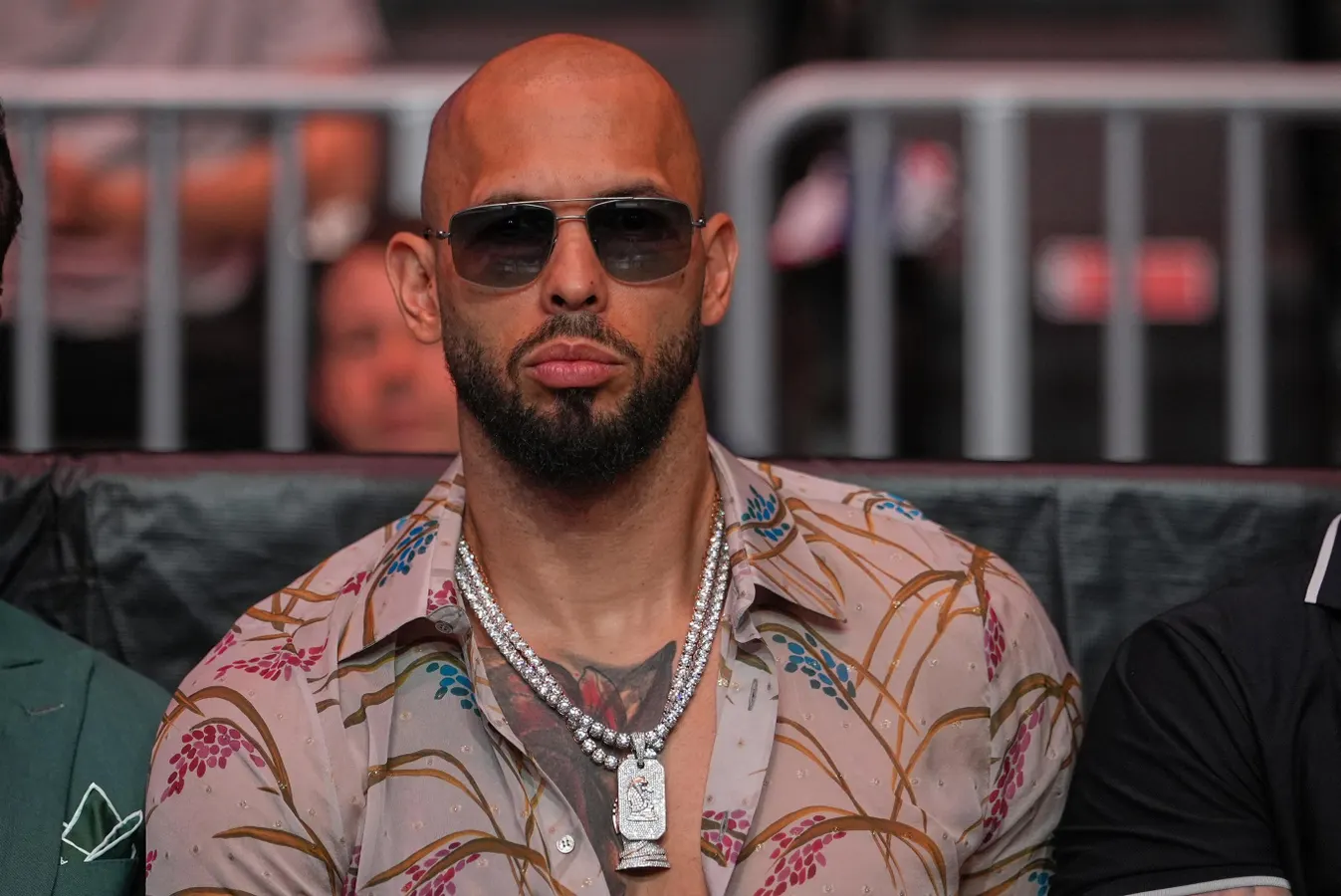
Andrew and Tristan Tate Could Face New Romanian Indictment as Florida Detention Complicates Defense
The legal predicament of Andrew and Tristan Tate grew more complicated this week after their Romanian defense attorney revealed that a fresh Romanian indictment against Andrew Tate may be “imminent,” potentially adding to a tangled web of criminal cases spanning three countries. The brothers remain held in a Florida jail while the United Kingdom pursues their extradition on charges of rape, sex trafficking, and assault.
Eugen Constantin Vidineac, the Tates’ Romanian lawyer, made the disclosure in a Tuesday court filing in Florida federal court, where he argued that the brothers should be released on bail. Without sustained access to his clients, Vidineac warned, their ability to prepare a meaningful defense in Romania is being “reduced to close to nil.”
What the Court Filing Reveals
Vidineac’s filing offered a rare look inside the scope of the Romanian case against the manosphere influencers. According to the document, prosecutors are expected to issue new charges “concerning Andrew in early September 2026.” Separately, Tristan Tate was indicted in Romania in June alongside co-defendant Naghel Georgiana Manuela on charges of “instigation to battery or other acts of violence,” with a hearing scheduled for September 10.
Vidineac painted a picture of a sprawling investigation that demands close collaboration between attorney and client. The Romanian file includes roughly 30 terabytes of electronic evidence, encompassing “hundreds of hours of recordings” and 112,957 pages of documents. He argued that such a massive evidentiary cache makes it essential for the brothers to review materials, compare statements, and provide real-time instructions—tasks he says are “impossible” to accomplish from a Florida detention cell.
“I cannot guarantee the result of any proceeding or state that detention would inevitably cause the Tate brothers to lose in Romania. But based on my direct experience representing them, if detention continues to deprive them of sustained, confidential, evidence-capable access to me during these critical stages, their ability to prepare and participate meaningfully—and, consequently, the defense’s prospects of obtaining favorable rulings—would be reduced to close to nil.”
— Eugen Constantin Vidineac, defense attorney for the Tates in Romania
Why the Tate Brothers Are Detained in Florida
Andrew and Tristan Tate were taken into U.S. custody in July after British authorities announced a wave of new charges against them, including allegations of rape, sex trafficking, and assault. The UK quickly signaled its intent to seek extradition, a process the brothers have vowed to fight. They have denied the latest British charges.
In a court filing last month, U.S. prosecutors urged a judge to keep the brothers behind bars during extradition proceedings, describing them as flight risks. The government’s argument leaned heavily on the Tates’ own social media activity, including posts in which they allegedly boasted about holding multiple passports under pseudonyms.
“The Court need not look much further than the TATES’ own social media posts to understand the great lengths they have gone to avoid detection by government.”
— U.S. prosecutors, in a prior court filing
White House Press Secretary Karoline Leavitt previously stated that the administration would not intervene in the extradition process, leaving the matter in the hands of the courts.
Background on the Romanian Case
The Tates’ legal troubles in Romania date to June 2023, when they were indicted on charges of forming an organized crime group and human trafficking. Prosecutors alleged that the brothers exploited women by forcing them to live in a compound and appear in pornographic videos. Andrew Tate was additionally charged with rape, according to the New York Times.
That case, however, hit a procedural wall in December 2024 when the Bucharest Court of Appeals ruled that the indictment did not meet the requirements to proceed to trial, sending the file back to prosecutors. The court flagged problems with “the manner of presenting the facts and describing the constituent elements in the case.” In February 2025, Romanian authorities lifted a travel ban on the brothers, though they emphasized that the investigation was still ongoing. The Tates subsequently left Romania for the United States.
The Scale of the Evidence
One of the most striking details in Vidineac’s filing is the sheer volume of material prosecutors have assembled. With 30 terabytes of electronic records and over 112,000 pages of documents, the case dwarfs many comparable trafficking prosecutions. Vidineac used the volume as further justification for granting bail, writing that “the clients must be able to view specific pages, compare statements, watch recorded evidence, identify persons and events, and give instructions while counsel is working in the file.”
| Tate Brothers’ Legal Cases at a Glance | Jurisdiction | Key Allegations | Current Status |
|---|---|---|---|
| 2023 Romanian indictment | Romania | Organized crime, human trafficking, rape (Andrew) | Returned to prosecutors in Dec. 2024; new indictment reportedly imminent |
| June 2025 indictment (Tristan) | Romania | Instigation to battery or other acts of violence | Hearing scheduled for Sept. 10 |
| 2025 UK charges | United Kingdom | Rape, sex trafficking, assault | Extradition requested; Tates contesting |
| 2025 U.S. detention | United States | Pending extradition to UK | Held without bail; prosecutors cite flight risk |
The “Performance” Defense and Social Media Image
In a separate but related development, the Tates’ U.S. lawyers argued in court last week that the brothers routinely exaggerate their wealth online, portraying themselves as “uberwealthy” figures to “play a role” that generates clicks and revenue. Defense attorneys pointed to specific examples, including claims surrounding a $7 million customized Bugatti, which they said was rented rather than owned.
That argument cuts both ways. While the defense used it to humanize the brothers, prosecutors have pointed to the same social media footprint as evidence of elaborate efforts to evade law enforcement, including the use of pseudonymous identities to secure multiple passports. The tension between curated online persona and legal reality has become a recurring theme across all three jurisdictions.
What Happens Next for the Tate Brothers
The immediate calendar is crowded. In the UK, extradition proceedings continue. In Romania, the September 10 hearing will test whether Tristan Tate can participate effectively while detained overseas, and prosecutors appear poised to deliver a new indictment against Andrew Tate shortly thereafter. In Florida, Vidineac’s bail request will be weighed against the government’s flight-risk arguments.
The case underscores the legal vulnerabilities facing high-profile influencers who cultivate a public image of invincibility while simultaneously drawing scrutiny from authorities on multiple continents. Whether the brothers’ Florida detention ultimately undermines their Romanian defense—or accelerates UK extradition—may shape not only their own future but also how courts handle similar international extradition cases involving social media personalities with global reach.
News, Law, Entertainment, People, Society