
Bill Giles, Phillies Icon Who Guided Franchise Through Its Greatest Era, Dies at 92
PHILADELPHIA — Bill Giles, the man who transformed the Philadelphia Phillies from a struggling traditional baseball club into one of Major League Baseball’s most recognizable franchises, died Friday at his home in Gladwyne, Pennsylvania. He was 92. The Phillies honored Giles with a moment of silence before Friday’s game against Tampa Bay, a fitting tribute to a figure whose influence over the organization spanned more than half a century.
From Cincinnati Reds Rookie to Philadelphia Powerhouse
Born into baseball royalty as the son of Warren Giles — who served as National League president from 1951 to 1969 — Bill Giles was steeped in the game from an early age. His formal baseball career began as a teenager working various jobs in the Cincinnati Reds’ public relations department. He later advanced his career in Houston, where he served as traveling secretary, publicity director, and promotions director before joining the Phillies organization following the 1969 season.
Giles arrived in Philadelphia in 1969 as vice president of business operations, a role he held for three years before being promoted to executive vice president. His steady ascent within the organization foreshadowed the transformative leadership that would follow.
The Visionary Owner Who Reshaped the Franchise
In 1981, Giles organized a group that purchased the Phillies from the Carpenter family, ascending to the role of president and chief executive officer. He held those positions until 1997, when he transitioned to chairman, a title he maintained until shifting to chairman emeritus in 2015.
During his tenure as CEO, Philadelphia experienced four winning seasons, two of which culminated in World Series appearances. Though his leadership years were marked by competitive peaks, Giles was equally focused on modernizing the business side of the franchise. As he later reflected on stepping away from day-to-day operations in 1999, Giles said, “It wasn’t: ‘Do it or else.’ I wasn’t forced out. It was a strong suggestion, but it was my decision. The business part of the game had gotten to me. I wasn’t as effective as I had been. Some of the partners said, ‘Don’t you think it’s time to let a younger man worry about all those things?'”
Building Champions: The 1980 World Series and the Pete Rose Era
Giles played a pivotal role in constructing the Phillies team that captured the 1980 World Series championship, including his crucial persuasion of former owner Ruly Carpenter to sign free agent Pete Rose. That move proved one of the most consequential acquisitions in franchise history and underscored Giles’ keen eye for talent and his understanding of what it took to win.
Philadelphia Phillies managing partner and CEO John Middleton captured the breadth of Giles’ impact in a statement following his passing: “Bill helped to reshape our franchise from a traditional baseball club into a highly visible entertainment and business operation. His profound impact in overseeing one of the greatest eras in franchise history, both on and off the field, will forever be his legacy.”
Stadiums, the Phillie Phanatic, and Lasting Cultural Impact
Beyond roster construction, Giles left an indelible physical and cultural mark on the Phillies organization. He helped push for the opening of Veterans Stadium in 1971 and was instrumental in bringing Citizens Bank Park to life in 2004 — a modern ballpark that remains the team’s home today.
Perhaps no single creation better embodies Giles’ cultural legacy than the Phillie Phanatic, the beloved green mascot he inspired the team to develop. The Phanatic has become one of the most iconic characters in professional sports, a testament to Giles’ understanding of how entertainment and community engagement could elevate a baseball franchise.
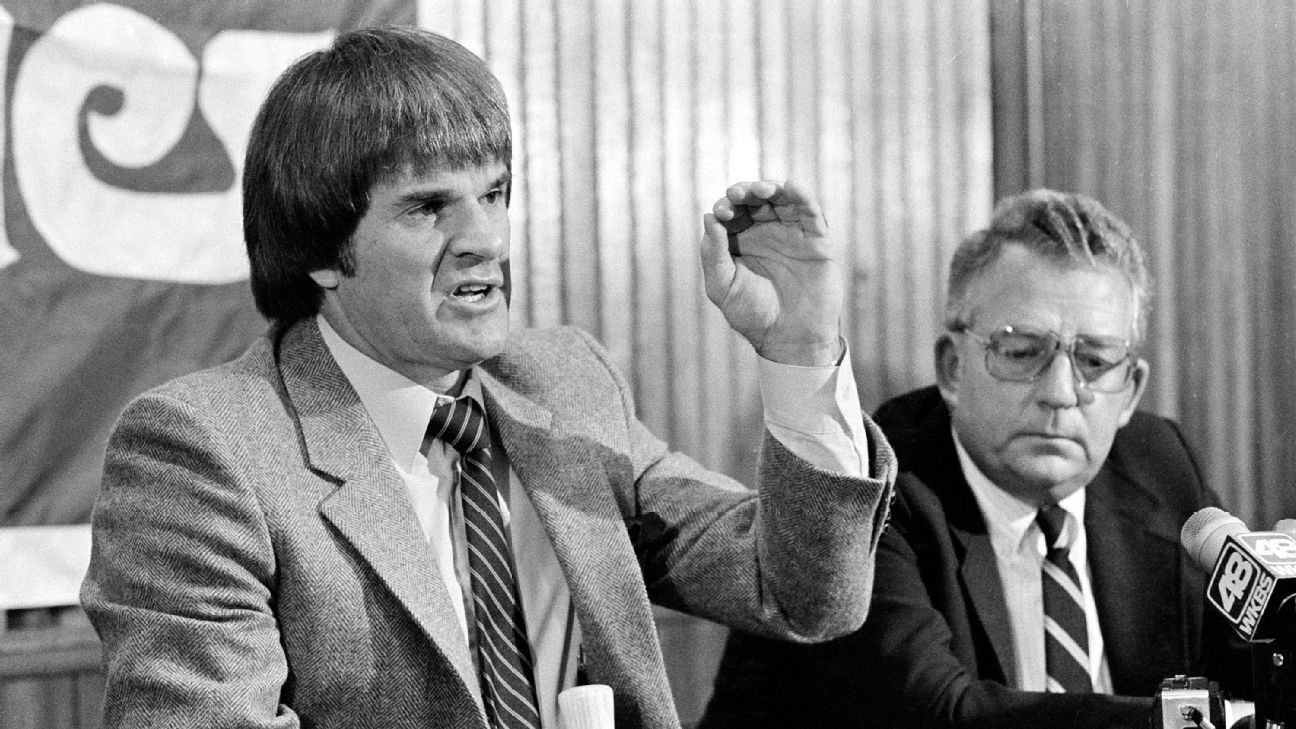
As the team’s official caption noted, Giles was “shown at right at a 1982 news conference welcoming Pete Rose to the Phillies” and “helped create a mascot for the team that would become the beloved Phillie Phanatic.”
Honors, Awards, and a Legacy Cemented in Baseball History
Giles’ contributions to the sport were recognized with numerous honors throughout his career. In 2001, he became honorary president of the National League — a role carrying particular significance given that his father had held the same office decades earlier. In 2010, he received the Bud Selig Executive Leadership Award for lifetime achievement in baseball, one of the highest honors the game can bestow on an executive.
In 1999, the Phillies established the Bill Giles Award, honoring minor league players who exemplify the qualities Giles embodied: a love and respect for the game of baseball, an outstanding work ethic, and pride in being a member of the Phillies organization. The award continues to recognize emerging talent, ensuring that Giles’ name and values endure within the franchise’s developmental pipeline.
Giles also authored the book “Pouring Six Beers at a Time: And Other Stories from a Lifetime in Baseball” and co-authored another volume on the business of baseball, offering readers an insider’s perspective on decades of Major League Baseball history.
Tributes Pour In From the Baseball Community
Hall of Famer and former Phillies third baseman Mike Schmidt captured the depth of personal connection many players felt toward Giles: “Bill was the heart and soul of the organization for over two decades. He was a close personal friend to so many of us. He will always be a big part of Phillies history.”
From his earliest days as a teenage worker in the Cincinnati Reds’ public relations department to his final years as chairman emeritus, Bill Giles dedicated more than fifty years to the game he loved. His legacy stretches from the field — through World Series championships and legendary signings like Pete Rose — to the stands, where millions of fans have enjoyed the Phanatic, and to the business of baseball itself, where he helped prove that a franchise could be both competitive and commercially dynamic.
Bill Giles is survived by his family and remembered by an entire baseball community that mourns the loss of one of its most influential figures.
Key Facts at a Glance: Bill Giles’ Life and Legacy
| Category | Detail |
|---|---|
| Full Name | Bill Giles |
| Age at Death | 92 |
| Place of Death | Gladwyne, Pennsylvania |
| Father | Warren Giles (NL President, 1951–1969) |
| Joined Phillies | 1969 (VP, Business Operations) |
| Became Owner | 1981 (purchased club from Carpenter family) |
| CEO Tenure | 1981–1997 |
| Chairman Emeritus | 2015 |
| Major Honors | Honorary NL President (2001); Bud Selig Executive Leadership Award (2010) |
Sports, News, People, Business, Entertainment, Society, Reference, Philadelphia Phillies, Major League Baseball, Baseball, Veterans Stadium, Citizens Bank Park, Phillie Phanatic, Pete Rose, Mike Schmidt, Warren Giles, Gladwyne Pennsylvania

