
Chuseok 2026: Everything Travelers and Culture Enthusiasts Need to Know About Korea’s Grand Autumn Harvest Festival
As Korea’s summer heat gives way to crisp autumn air and students head back to school, families across the peninsula begin preparing for one of the surest signs that fall has arrived: Chuseok, the nation’s most cherished harvest festival. This year’s celebration carries particular significance, coinciding with major cultural events and giving South Koreans a welcome extended break. Whether you’re planning a trip to experience the festivities firsthand or simply want to understand why this holiday captivates millions, here is a comprehensive look at Chuseok — its roots, traditions, foods, and modern evolution.
What Is Chuseok and Why Does It Matter?
The word Chuseok comes from the Chinese characters for autumn, chu, and evening, seok. It is also called hangawi, an old Korean term meaning “the great middle of autumn.” The holiday is celebrated annually on the 15th day of the 8th lunar month, which translates to a window between mid-September and mid-October on the Gregorian calendar.
Because a lunar year runs roughly 11 days shorter than a solar year, an extra “leap month” is added approximately every three years to keep the seasons aligned. This is why Chuseok drifts across the solar calendar, sometimes arriving in early October and other times landing closer to September. The timing always centers on the autumn equinox, marking the peak of the harvest season.
This year, the holiday holds special resonance. With the ongoing Asian Games and the South Korean national football team’s first competitive match under new leadership, the atmosphere is electric across the country. The convergence of sport and culture creates a rare energy that draws both locals and international visitors into the heart of Korean life.
Understanding the Holiday Calendar and Substitute Day Rules
Chuseok’s official observance lasts three days: the day of the holiday itself, plus one day before and one day after. The rules governing extended time off follow a consistent pattern: if one of those three days falls on a Sunday, the following business day becomes a substitute holiday. Seollal (Lunar New Year) follows the identical framework.
To put this in perspective, 2025 offered an extraordinary example of how these rules can compound. Chuseok fell on Monday, October 6, National Foundation Day landed on Friday, October 3, and two substitute Chuseok holidays covered October 7 and 8 — with Hangul Day capping the sequence on Thursday, October 9. The result was a remarkable seven-day holiday, with some employees at major conglomerates adding vacation days to stretch the break into ten full days off.
“Other national holidays — including Buddha’s Birthday on April 8 of the lunar calendar, Children’s Day on May 5, and Christmas on December 25 — are also eligible for substitute holidays if they fall on Saturday or Sunday.”
Chuseok vs. Thanksgiving: Understanding the Key Differences
Chuseok is frequently mistranslated as “Korean Thanksgiving,” and while both holidays share the DNA of family feasts rooted in harvest gratitude, the similarities end there. The differences are fundamental to understanding Korean cultural values.
Thanksgiving in the United States falls on the fourth Thursday of November every year, arriving after the harvest. It is a celebration of what the community secured after a season of hard work. Chuseok, by contrast, arrives before the crops are fully harvested. The rice is golden, but it is still standing in the fields. The Korean holiday is an expression of gratitude for having survived the difficult months leading up to autumn and a prayer that the upcoming harvest will be fruitful.
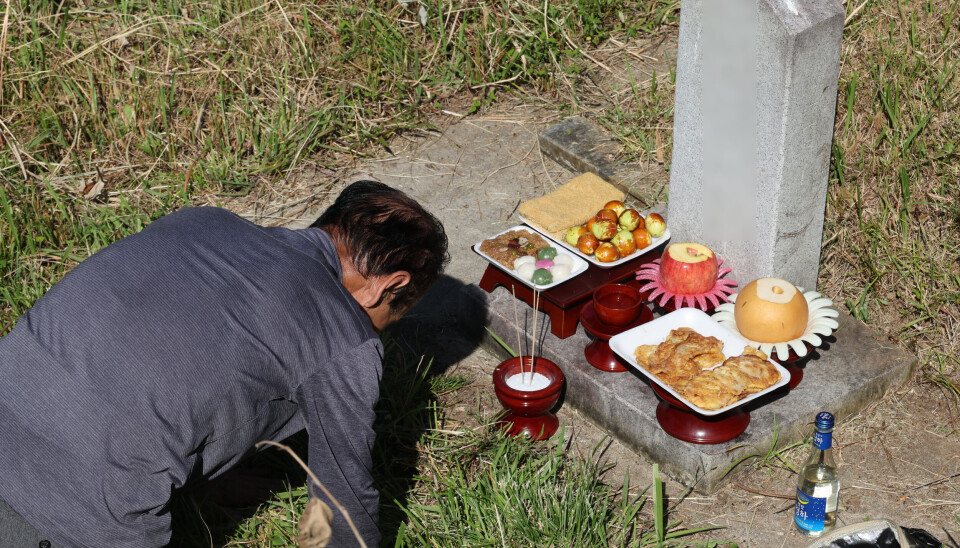
Perhaps the most distinctive aspect of Chuseok is its deep ancestral component. Families perform charye, a memorial ritual in which they offer the year’s first fruits to their ancestors. Families also visit their ancestors’ graves — often on grassy mountainsides — for beolcho, the physically demanding task of clearing weeds and tidying burial sites. These rituals reinforce the Korean emphasis on filial piety and generational continuity that has no direct equivalent in the American Thanksgiving tradition.
The Traditional Foods That Define the Feast
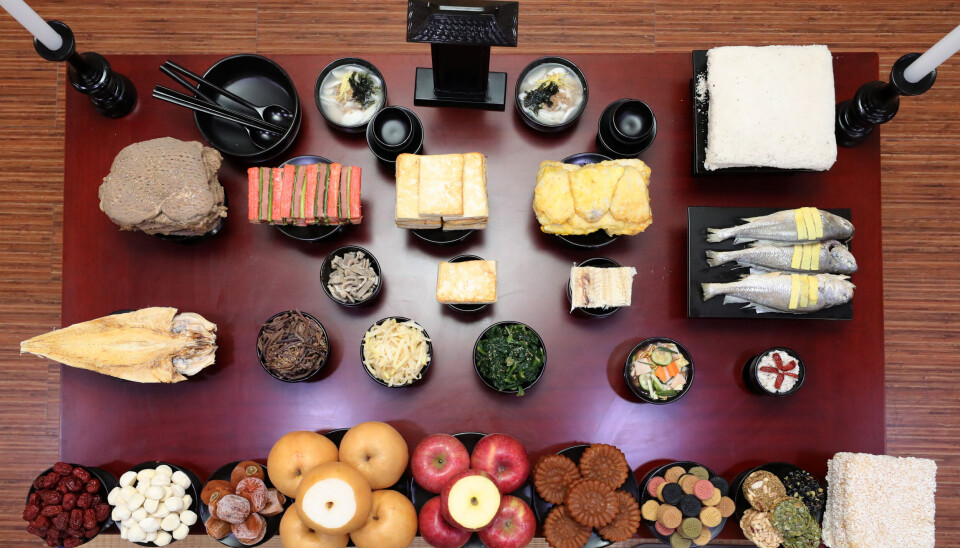
No discussion of Chuseok is complete without mentioning songpyeon, the iconic half-moon-shaped rice cake that serves as the star of every Chuseok table. Filled with sesame seeds, chestnuts, or sweet red beans and steamed over a bed of pine needles, songpyeon carries a charming folk belief: the better you can shape the rice cakes, the more beautiful your future children will be.
The traditional spread extends well beyond songpyeon. Jeon — savory pan-fried pancakes — alongside an array of vegetables, fish, dates, and fresh fruit including the season’s juiciest apples and Korean pears, all earn their place on the ritual table. The traditional table setting was historically strict and elaborate, with each dish occupying a precise designated position.
Regional variations add fascinating depth to the culinary tradition:
- Gangwon Province (mountainous east): Makes potato songpyeon, which are more translucent and shaped by pressing fingers onto the dough
- Chungcheong Province (central): Fills songpyeon with pumpkin and squash
- Gyeongsang Province (southeast): Features seafood, including octopus, on the charye table
- Jeolla Province (southwest): Adds hongeo, a delicacy made from fermented skate
How Chuseok Is Celebrated in the Modern Era
As with all living traditions, the way Koreans celebrate Chuseok has evolved significantly. Rituals are getting simpler — families prepare fewer dishes to reduce the burden, particularly on women who were historically tasked with preparing all sacrificial foods. More families now gather at restaurants rather than at home, and some Christian families skip charye entirely on religious grounds, rejecting the Confucian ancestral memorial rite.
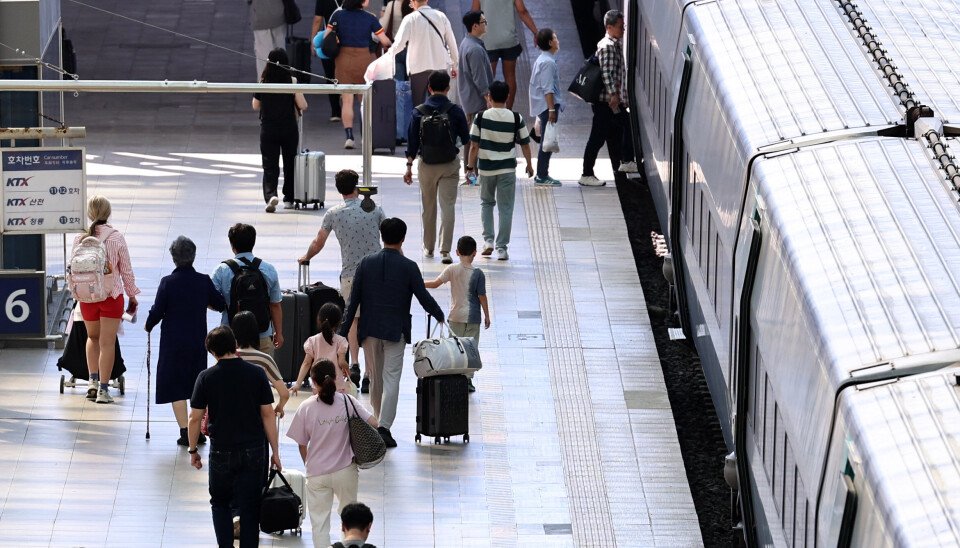
Travel has become a major part of the modern Chuseok experience. A growing number of Koreans use the extended break to travel abroad, and the departure halls at Incheon International Airport regularly see record traffic during the holiday period.
Yet tradition endures in meaningful ways. Curated Chuseok gift sets — known as Chuseok sebae gift sets — remain a cornerstone of the season, with families exchanging premium food products, health supplements, and household goods. Grocery stores are filled with ready-to-eat premade songpyeon, reflecting the modern preference for convenience without sacrificing tradition.
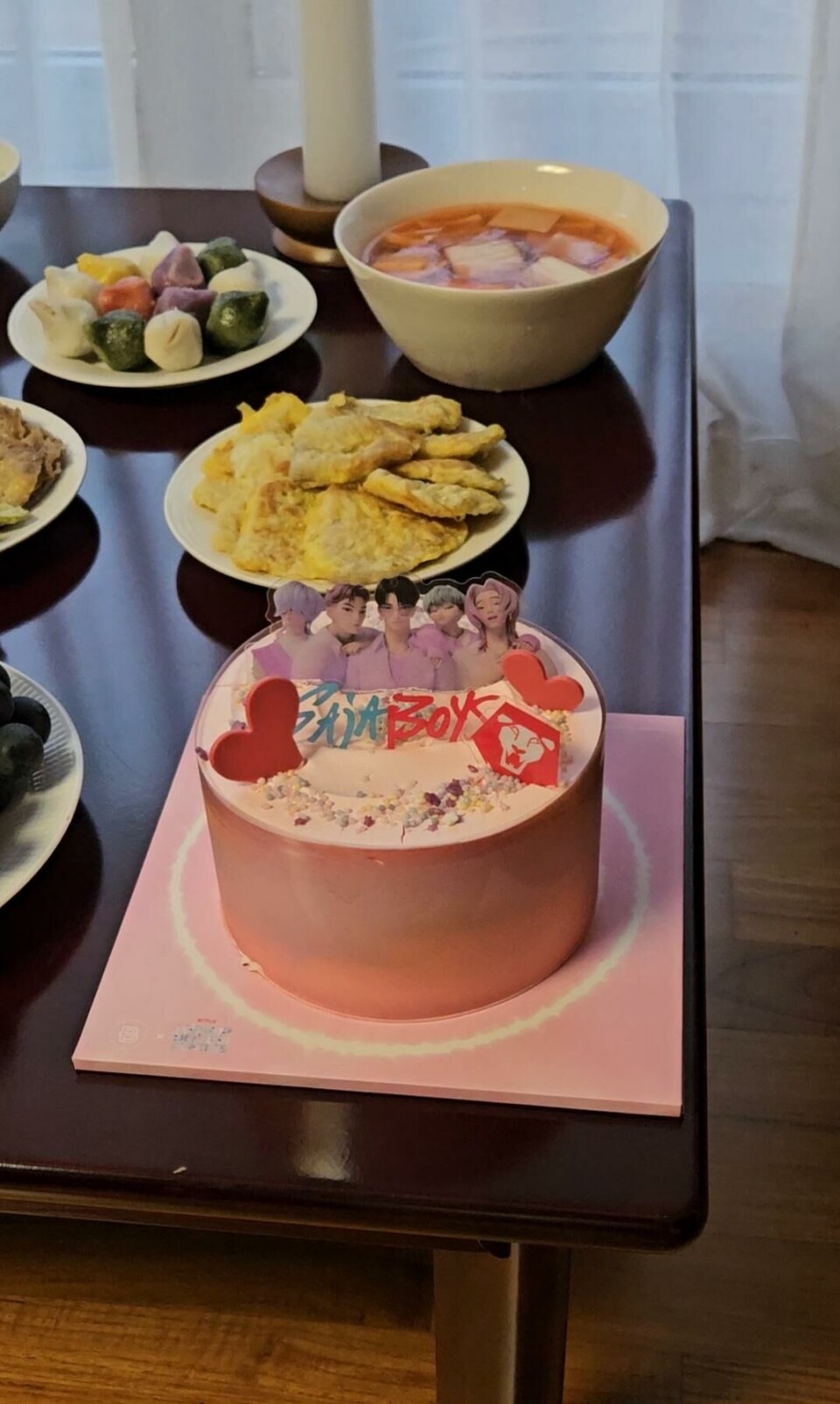
Younger generations have also put their own creative spin on the ritual table. Macarons shaped like sanjeok (meat and vegetable skewers) and jeon appear alongside cookies shaped like yakgwa (traditional Korean honey sweets) and apples — all shared widely on social media. The blend of old and new creates a uniquely Korean cultural moment that honors heritage while embracing contemporary aesthetics.
Chuseok in North Korea: A Different Political Context
North Korea also observes Chuseok on the same day of the lunar calendar, though the political context could not be more different. Since the country’s founding in 1948, the North discouraged the celebration, ultimately banning Chuseok observances in 1967 as “antisocialist.” However, in 1988, then-leader Kim Jong-il — the father of current leader Kim Jong-un — restored Chuseok as a state-recognized holiday, partly to emphasize Korean ethnic identity.
North Korean residents do make songpyeon, but with regional twists. In North Hamgyong Province, for example, residents prepare savory songpyeon filled with vegetables, pork, and tofu — a distinctly local variation.
Nevertheless, unlike in South Korea where traditional Chuseok and Seollal remain the biggest holidays of the year, North Korea’s most important celebrations are those connected to the ruling regime. The birthdays of state founder Kim Il Sung and Kim Jong-il continue to overshadow traditional seasonal observances.
Chuseok Across Asia: Shared Lunar Heritage
Chuseok is part of a broader East and Southeast Asian tradition of autumn harvest celebrations, all tied to the same lunar calendar date.
- China celebrates the Mid-Autumn Festival with mooncakes and family reunions, sharing the same lunar calendar date as Chuseok.
- Vietnam marks Tết Trung Thu — also called the Children’s Festival or moon-viewing festival — with children carrying colorful lanterns, watching lion dances, and eating mooncakes.
- Japan observes Tsukimi, the moon-viewing festival, featuring rice dumplings and pampas grass, with celebrants admiring the full moon’s reflection on water or in sake cups.
These shared traditions highlight the deep cultural interconnections across East Asia, even as each country has developed its own distinctive customs and meanings around the harvest moon.
Practical Travel Tips for Visitors During the Holiday Season
For tourists planning to experience Chuseok in South Korea, the holiday period offers some unique cultural opportunities. Several major attractions provide special access:
Free Palace Access: Travelers can enjoy waived admission fees to Seoul’s four major palaces — Gyeongbok Palace, Changdeok Palace, Deoksugung Palace, and Gyeonghuigung Palace — as well as Jongmyo Shrine during the Chuseok season.
Jongmyo Shrine: This UNESCO World Heritage Site, which typically requires advance online booking, will allow free walk-in admission during the holiday period.
Guard Changing Ceremony: Visitors can watch the iconic royal guard changing ceremony at Gyeongbok Palace without advance reservation during the holiday period — a rare convenience for tourists.
National Museum of Modern and Contemporary Art, Korea: Located in Jongno District, this museum waives admission fees during the holidays and accepts free walk-ins.
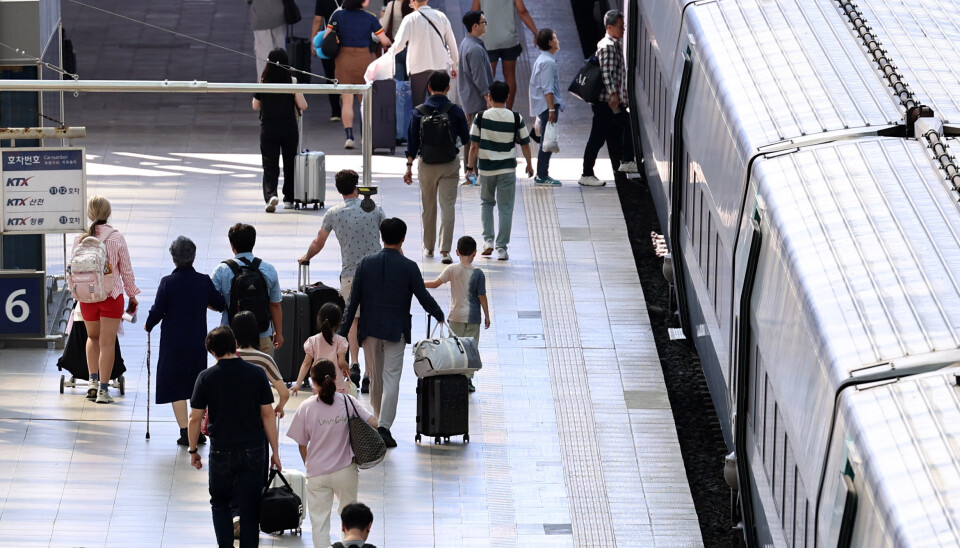
Travelers should also be aware that traffic congestion can reach three times normal levels to and from the countryside, and trains, buses, and domestic flights reach maximum capacity during the holiday period. Those planning to move around the country are strongly advised to book transportation well in advance and build extra time into their schedules.
Conclusion: A Living Tradition in a Changing World
Chuseok remains one of Korea’s most deeply felt cultural touchstones — a holiday that bridges generations, honors ancestors, and celebrates the bounty of the earth. While the ways of observing it continue to evolve — from simpler home rituals to Instagram-worthy modern interpretations — the core spirit endures: gratitude for the harvest, reverence for those who came before, and the irreplaceable joy of gathering with family. Whether you experience it from a bustling Seoul marketplace, a quiet mountain grave site, or a restaurant table laden with songpyeon and jeon, Chuseok offers a window into the heart of Korean identity that few other holidays can match.
Arts, Entertainment, Food, Travel, Society, Culture, History, News

