
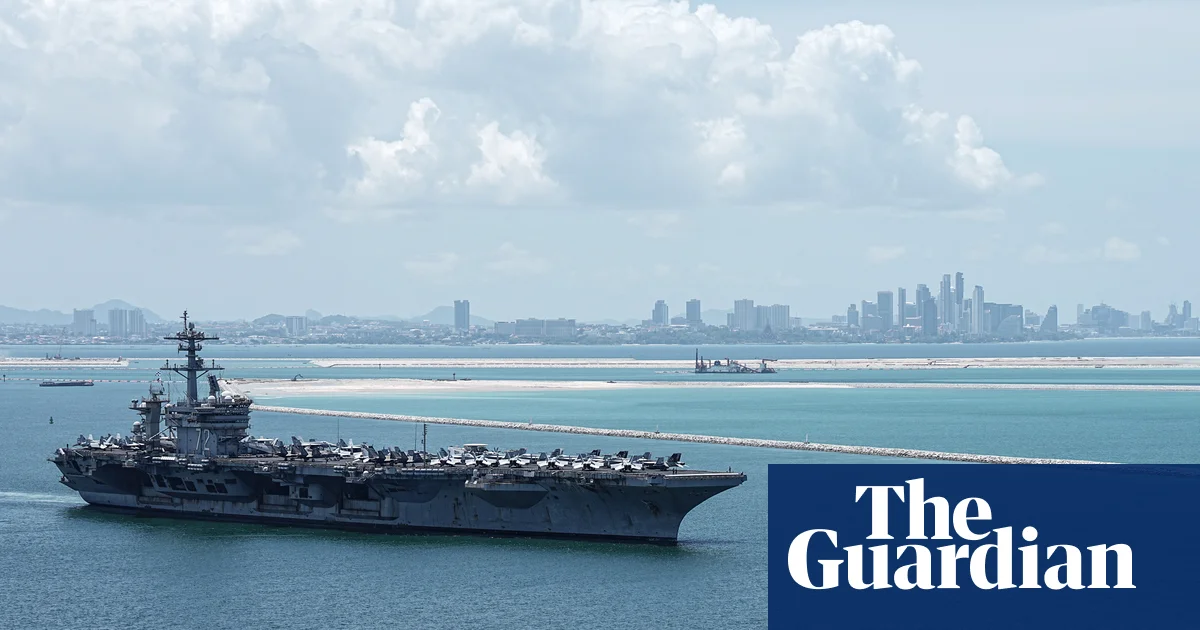
Eight Suicide Attempts on the USS Abraham Lincoln Highlight Navy Mental Health Crisis
In the summer of 2024, the U.S. Navy disclosed that eight personnel assigned to the USS Abraham Lincoln carrier strike group had attempted suicide during a prolonged deployment. The announcement, made by Acting Navy Secretary Hung Cao in a letter to Senator Kirsten Gillibrand, sparked immediate bipartisan concern and renewed scrutiny of service‑member welfare aboard Navy vessels. As of December 2025, the incident remains one of the most publicly reported mental‑health episodes in recent Navy history, prompting calls for deeper systemic reforms.
The Scope of the Suicide Attempts
The eight suicide attempts involved a broad cross‑section of the strike group, including crew members from the carrier air wing, escorting destroyers, and support staff. According to Cao’s letter, the attempts spanned from March to August 2024, with one sailor ultimately succeeding in a jump overboard in August. The individual was rescued, received medical treatment, and was later transferred ashore for continued care. Navy officials have not released further details about the outcomes of the other attempts.
Life Aboard the Lincoln: Conditions Reported
Concurrently with the suicide attempts, several military outlets documented deteriorating conditions aboard the Lincoln. MS Now reported allegations of mold in shower areas, inconsistent supplies of food and soap, and reduced variety in meals—entree options were temporarily cut from two to one. Cao confirmed supply delays and stated that four nutritionally balanced meals were served daily, a measure intended to “optimize endurance.”
Two military newspapers also highlighted the crew’s mental state, describing multiple incidents where sailors attempted to jump overboard. These reports prompted Democratic lawmakers to demand an investigation into the overall climate of the ship, questioning whether operational tempo, limited shore leave, and resource constraints contributed to the crisis.
Political Reaction and Congressional Inquiry
Senator Gillibrand, a vocal advocate for service‑member welfare, opened a formal inquiry into the circumstances surrounding the attempts. Her office received Cao’s detailed response, which included a timeline of incidents and descriptions of remedial actions taken by the Navy. In a statement to The Guardian, Gillibrand condemned what she called “a pattern of neglect” and accused the administration of downplaying serious issues.
“What Trump and Secretary Hegseth dismissed as ‘fake news’ turned out to be serious and deteriorating conditions for our service members,” Gillibrand said. “Our troops and their families make immense sacrifices every single day, yet the president dismissed them with open disrespect.”
Navy’s Response and Ongoing Initiatives
Acting Secretary Cao emphasized the Navy’s “commitment to sailor health, wellbeing and morale.” The service announced several immediate actions, including enhanced mental‑health screening, increased access to confidential counseling, and additional shore‑leave opportunities for the strike group after its deployment. Hegseth, however, publicly characterized the media coverage as “mischaracterized,” asserting that crews receive comprehensive support at all times.
While no new official figures have been released since the 2024 letter, Senate Armed Services Committee hearings in early 2025 kept the issue on the legislative agenda. Proposed measures include increased funding for mental‑health programs, mandatory peer‑support training, and an independent oversight board to review conditions aboard high‑tempo units.
Impact on Service Members and Broader Implications
The eight attempts have amplified concerns about the sustainability of the Navy’s forward‑deployed carrier operations. Experts point to the prolonged 286‑day deployment of the Lincoln—originally slated to end in May 2024 but extended due to ongoing conflicts—as a potential stress factor. The extended time at sea, combined with reported supply shortages and substandard living conditions, underscores a larger challenge: balancing strategic presence with personnel welfare.
Veterans groups have called for systemic changes, emphasizing that suicide prevention must move beyond reactive measures to include proactive cultural shifts within the military. They advocate for destigmatizing mental‑health discussions, expanding peer‑support networks, and ensuring that resource allocations match operational demands.
Looking Ahead: What Comes Next?
As of late 2025, the Navy continues to monitor the mental‑health landscape of its carrier strike groups, and Congress has pledged continued oversight. Whether the reported incidents will catalyze lasting reform remains to be seen, but the case of the USS Abraham Lincoln has certainly elevated the conversation about the hidden costs of naval service. Families, advocates, and policymakers are watching closely for tangible steps that translate commitments to “sailor wellbeing” into measurable improvements on the front lines.
The tragedy underscores a broader national responsibility: ensuring that those who defend the country receive the support they need both at home and abroad. The next year will be critical in determining if the Navy’s promises evolve into policies that truly protect its people.
News, Government, Health, Society, US Navy, USS Abraham Lincoln, Suicide attempts, Mental health, Defense Department, Congress, Politics, Law, Communities, People

