
Trump’s “Board of Peace”: Ambitions Amidst Fractured Global Efforts
The Unique Structure of the Board of Peace
< p class="paragraph inline-placeholder vossi-paragraph" data-uri="cms.cnn.com/_components/paragraph/instances/cmu7eyef700043b6tji7wsfza@published" data-editable="text" data-component-name="paragraph" data-article-gutter="true">
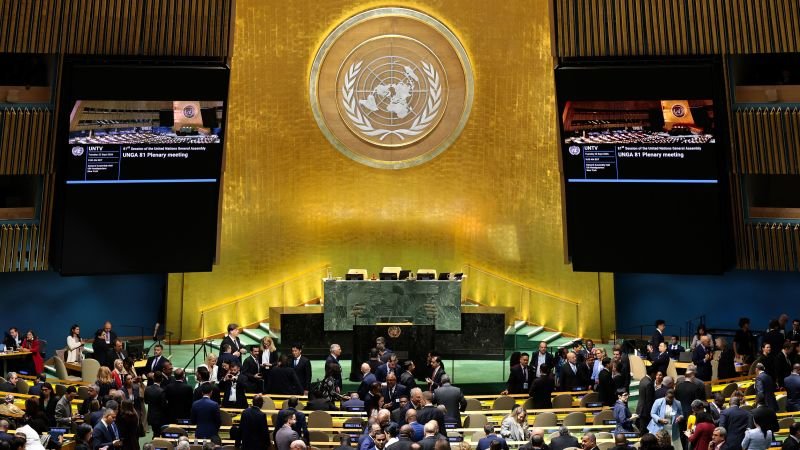
US President Donald Trump introduced the Board of Peace during his remarks to the United Nations General Assembly, describing it as a “significant group of people.” Initially conceived as an entity to oversee the reconstruction of the Gaza Strip, the board’s purpose has since broadened to address conflicts worldwide. Its composition features representatives from Gulf states, Turkey, Pakistan, and Argentina, though most of the United States’ European allies have declined to join. Permanent membership would require a $1 billion investment, raising questions about long-term feasibility and inclusivity.
Challenges and Criticisms of the Initiative
< p class="paragraph inline-placeholder vossi-paragraph" data-uri="cms.cnn.com/_components/paragraph/instances/cmu7eyelu00053b6tyer6w442@published" data-editable="text" data-component-name="paragraph" data-article-gutter="true">
Despite substantial financial and personnel commitments from board members, tangible progress has remained scarce. The board has yet to deploy forces into Gaza, and Israeli military operations against the Palestinian territory have continued unabated. These shortcomings have fueled skepticism regarding the Board’s overall effectiveness and the clarity of its mission in addressing complex regional crises.
International Participation and Financial Commitments
< p class="paragraph inline-placeholder vossi-paragraph" data-uri="cms.cnn.com/_components/paragraph/instances/cmu7jh322000c3b6tkzr2njc1@published" data-editable="text" data-component-name="paragraph" data-article-gutter="true">
The Board of Peace represents an ambitious attempt to build transnational cooperation on security and reconstruction. By bringing together diverse geopolitical actors—including Gulf states, Turkey, Pakistan, and Argentina—the initiative aims to leverage collective resources for peacebuilding. However, the absence of major Western allies significantly limits its strategic weight. The proposed permanent membership model demands a $1 billion price tag, prompting debates about equity, representation, and the practicality of sustaining such a costly arrangement amid competing national priorities.
Recent Developments and Broken Promises
< p class="paragraph inline-placeholder vossi-paragraph" data-uri="cms.cnn.com/_components/paragraph/instances/cmu7eyerl00063b6t9mihh5r3@published" data-editable="text" data-component-name="paragraph" data-article-gutter="true">
A notable moment emerged in July 2026 when Trump announced a breakthrough in Gaza, claiming that Hamas had surrendered its weapons as part of a 15-point peace plan. This advancement was framed as contingent upon Israel upholding its obligations under the October ceasefire agreement. Conversely, Israeli Prime Minister Benjamin Netanyahu rejected the peace proposal in August, insisting on the complete disarmament of Hamas before any Israeli forces were permitted to withdraw. Such divergent positions underscore the deep divisions that continue to impede meaningful resolution.
Looking Forward: What Comes Next
< p class="paragraph inline-placeholder vossi-paragraph" data-uri="cms.cnn.com/_components/paragraph/instances/cmu7dxw1f00033b6tyy1nzp7m@published" data-editable="text" data-component-name="paragraph" data-article-gutter="true">
As the General Debate continues, the Board of Peace faces mounting pressure to demonstrate concrete results. Whether it can reconcile its ambitious vision with the persistent realities on the ground remains uncertain. The coming weeks will test the durability of its coalition and the sincerity of its commitments, offering readers a critical window into the evolving landscape of international diplomacy.
News, Politics, Government, Society, Business

